





What's Happening?
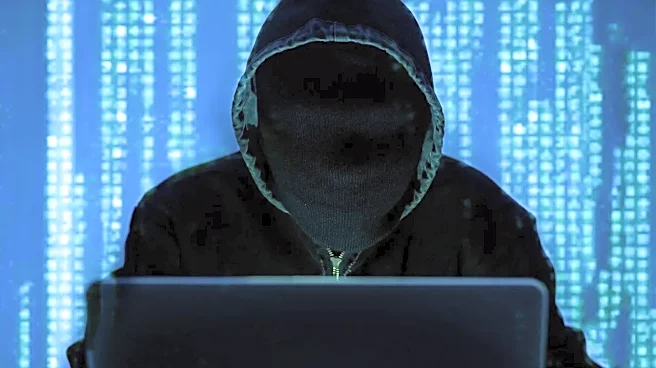
Southern Company, a major energy provider based in Atlanta, has announced a data breach impacting approximately 400,000 customer accounts. The breach primarily affected customers of its subsidiaries, with about 300,000 accounts belonging to Georgia Power
and roughly 100,000 to Alabama Power. While Mississippi Power was also mentioned in the disclosure, the number of affected customers for that subsidiary has not been released. The compromised data includes names, mailing addresses, phone numbers, email addresses, the last four digits of Social Security numbers, and other basic account details. Southern Company has confirmed that sensitive financial information such as bank account numbers, payment card numbers, and driver's license numbers were not accessed. Upon detecting the unauthorized activity through its online customer portal, the company stated it took immediate steps to halt the intrusion and engaged law enforcement. The exact date of the incident and the method used by attackers to gain access have not yet been disclosed by Southern Company. Affected customers are being notified via mail and email and are being offered one year of free credit monitoring services.
Why It's Important?
This data breach is significant due to the large number of affected customers and the sensitive nature of the compromised personal information. While financial account details were reportedly not exposed, the combination of names, addresses, contact information, and partial Social Security numbers creates a substantial risk for identity theft and phishing scams. Customers could become targets for highly personalized fraudulent communications, making it difficult to distinguish legitimate utility correspondence from malicious attempts. For Southern Company, the incident could lead to a loss of customer trust, potential legal liabilities, and increased scrutiny from regulatory bodies regarding its cybersecurity practices. The energy sector is considered critical infrastructure, making such breaches a concern for national security and consumer protection. The lack of disclosure regarding the breach date and attack vector also leaves customers and cybersecurity experts without crucial information needed to understand the full scope of the vulnerability and implement preventative measures.
What's Next?
Southern Company is in the process of notifying all affected customers and providing them with instructions for enrolling in free credit monitoring services. Customers should remain vigilant for suspicious emails, phone calls, or mail that appear to be from their utility provider, as scammers may leverage the stolen data to craft convincing phishing attempts. The company will likely continue its internal investigation into the breach to determine the root cause and implement enhanced security measures to prevent future incidents. Law enforcement agencies are also involved, which may lead to further details about the attackers and their methods being released. Regulatory bodies may initiate their own investigations into Southern Company's data security protocols, potentially leading to fines or mandates for improved cybersecurity. Customers are advised to monitor their financial statements and credit reports closely for any unauthorized activity and to be cautious about sharing personal information online or over the phone.
Beyond the Headlines
This incident underscores the persistent and evolving threat of cyberattacks against critical infrastructure sectors, including energy. The compromise of basic account details, even without direct financial information, highlights how seemingly minor data points can be weaponized for social engineering attacks. The challenge for consumers now lies in discerning authentic communications from sophisticated scams, as the breach provides attackers with credible details to impersonate the utility. This event could prompt broader discussions within the utility industry about standardizing breach notification protocols, enhancing customer education on cybersecurity risks, and investing more heavily in advanced threat detection and prevention systems. Furthermore, the incident may fuel calls for stricter data privacy regulations and accountability measures for companies handling large volumes of sensitive customer data, especially within essential service sectors.