







What's Happening?
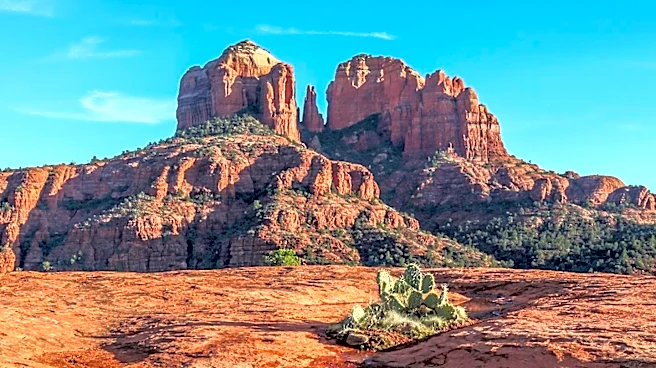
Boynton Canyon in Sedona, Arizona, is recognized for its natural beauty and spiritual significance, featuring towering red rock formations, pine and oak forests, and one of the area's renowned energy vortexes. The Boynton Canyon Trail, a 6-mile out-and-back
hike, allows visitors to explore this impressive box canyon. The trailhead is located approximately 5 miles northwest of downtown Sedona within the Coconino National Forest, starting near the Enchantment Resort. As hikers venture deeper into the canyon, the trail becomes more rugged and steep, offering increasing shade from ponderosa pine trees. The canyon is considered sacred by the Yavapai-Apache Nation, who view it as a historical home for the First Woman. Visitors are encouraged to adhere to Leave No Trace principles to preserve the area's cultural and natural integrity. Wildlife commonly observed along the trail includes white-tailed and mule deer, javelinas, and various bird species such as western bluebirds and canyon wrens. While less common, mountain lions and black bears also inhabit the area. A Red Rocks Pass or America the Beautiful pass is required for parking at the trailhead, which also provides pit toilets but no water facilities. The trail is accessible year-round, though winter hikes may encounter snow.
Why It's Important?
The Boynton Canyon Trail's popularity underscores the growing interest in outdoor recreation and nature tourism within the United States, particularly in scenic regions like Sedona. Its accessibility and diverse natural features, from red rock formations to varied wildlife, contribute to Arizona's appeal as a tourist destination. The presence of an energy vortex also highlights a niche market for spiritual tourism, attracting individuals seeking unique experiences. The requirement for passes like the Red Rocks Pass or America the Beautiful pass indicates a mechanism for funding the maintenance and preservation of national forest lands, which is crucial for sustaining these natural assets for future generations. The emphasis on Leave No Trace principles reflects a broader societal shift towards responsible tourism and environmental stewardship, aiming to mitigate the impact of human activity on sensitive ecosystems and cultural sites. The trail's year-round accessibility supports a consistent flow of visitors, benefiting local economies through tourism-related spending on accommodations, dining, and other services.
What's Next?
Given the trail's popularity, visitors should anticipate continued high traffic, especially during peak seasons. Early arrival is recommended to secure parking at the trailhead. The ongoing need for Red Rocks Passes or America the Beautiful passes will likely remain, contributing to the funding of Coconino National Forest operations. Efforts to educate visitors on Leave No Trace principles will continue to be vital to protect the canyon's natural and cultural resources. Local authorities and park services may explore strategies to manage visitor flow and minimize environmental impact, potentially including enhanced signage or educational programs. The continued promotion of Sedona as a destination for both natural beauty and spiritual experiences will likely attract a diverse range of tourists, further solidifying its role in Arizona's tourism sector. The availability of luxury accommodations near the trailhead, such as the Enchantment Resort and Mii Amo, suggests a sustained demand for high-end tourism experiences in the area.
Beyond the Headlines
The Boynton Canyon Trail represents more than just a hiking path; it embodies a convergence of natural wonder, cultural heritage, and spiritual belief. The canyon's sacred status to the Yavapai-Apache Nation highlights the deep historical and spiritual connections indigenous communities have with the land, urging visitors to approach the site with respect and mindfulness. The concept of energy vortexes, while not scientifically proven, draws a significant number of individuals seeking spiritual or healing experiences, adding a unique dimension to the region's tourism. This blend of natural beauty and mystical allure contributes to Sedona's distinct identity and appeal. The challenges of managing popular natural sites, such as balancing visitor access with environmental preservation, reflect broader national discussions on sustainable tourism and the protection of public lands. The trail serves as a microcosm of these larger issues, where the economic benefits of tourism must be carefully weighed against the imperative to conserve ecological and cultural integrity for future generations.