





What's Happening?
NASA has postponed the return-to-flight date for Boeing's Starliner capsule, citing unresolved safety issues. The agency's latest update on the International Space Station (ISS) flight plan does not include a confirmed launch window for the Starliner-1
mission. This decision follows problems identified during a 2024 crewed test flight, including helium leaks and thruster failures. An independent investigation classified the mission as a Type A mishap, highlighting 'qualification deficiencies' and reliability concerns for crew survival. In response, NASA has adjusted its schedule to prioritize other missions, including SpaceX's CRS-34 and Crew-13, as well as Northrop Grumman's CRS-25, to maintain ISS operations.
Why It's Important?
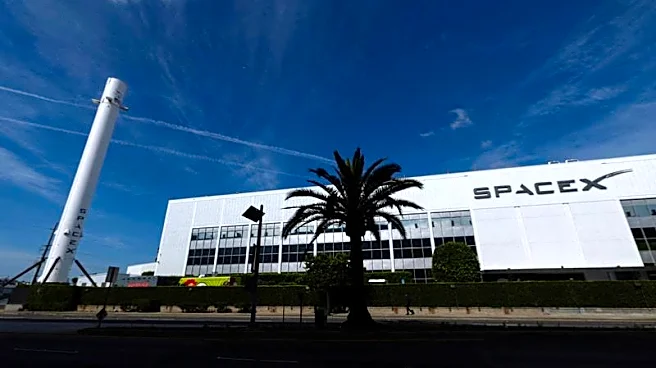
The delay of the Starliner mission underscores significant safety and reliability challenges facing Boeing's spacecraft, impacting NASA's broader strategy for ISS crew rotations and cargo deliveries. This situation increases reliance on SpaceX, which has been tasked with additional missions to ensure the ISS remains operational. The shift in NASA's manifest reflects a strategic pivot towards more dependable partners, potentially affecting Boeing's role in future space missions. The ongoing issues with Starliner could influence NASA's commercial crew program and its partnerships, affecting the competitive landscape of the U.S. space industry.
What's Next?
Boeing is working on corrective actions to address the identified issues with Starliner, but NASA has stipulated that no crewed flights will proceed until these problems are fully resolved. The agency has revised its Commercial Crew contract to allow for an uncrewed operational Starliner mission while Boeing continues to pursue crew certification. This approach indicates a cautious path forward, with NASA prioritizing safety and reliability over schedule. The outcome of Boeing's efforts will determine its future role in NASA's crewed spaceflight missions.