



What's Happening?
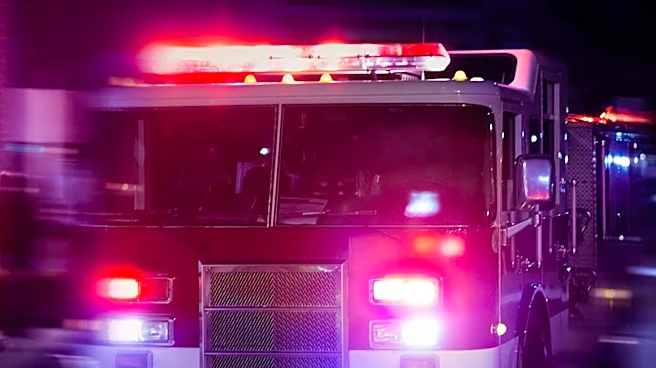
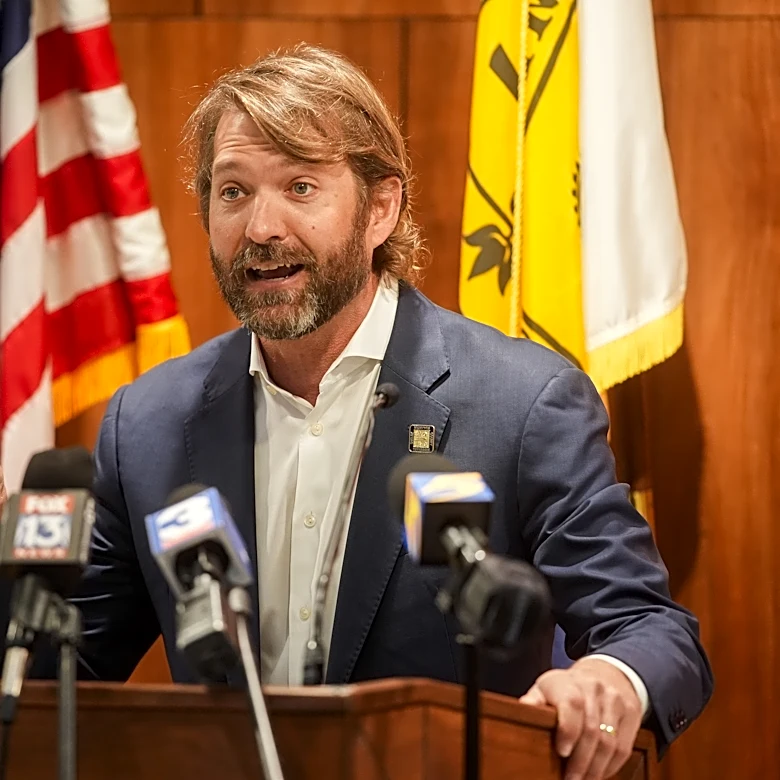
Congressman Dan Meuser (PA-09) has announced that the Department of Homeland Security’s Federal Emergency Management Agency (FEMA) has awarded nearly $2.8 million in federal grants to eleven fire departments across Pennsylvania’s Ninth Congressional District.
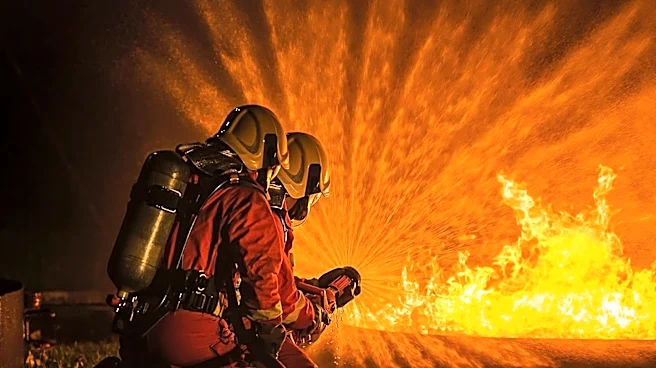
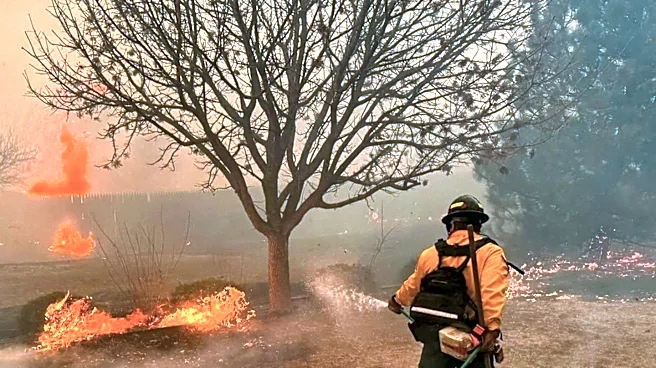
These grants are provided through the Assistance to Firefighters Grant (AFG) Program. The funding is designated to support various critical needs for these departments, including professional training, the acquisition of personal protective equipment, modifications to facilities, and the purchase of firefighting and emergency response apparatus, such as fire trucks. Additionally, the grants will cover supplies essential for firefighting and non-affiliated Emergency Medical Services (EMS) operations and safety. Specifically, six fire and EMS organizations within Schuylkill County received a combined total of $1,196,541.44 from this federal program. Congressman Meuser emphasized the vital role firefighters play, not only in responding to fires and accidents but also in providing assistance during medical emergencies and rescue operations. He highlighted that much of the funding for volunteer fire companies typically comes from local residents through charity events and private donations, making these federal grants a significant boost.
Why It's Important?
These federal grants are crucial for enhancing the operational capabilities and safety of fire departments and EMS organizations in Pennsylvania’s Ninth Congressional District. Many volunteer fire companies, which form the backbone of emergency response in numerous communities, rely heavily on local fundraising efforts. The influx of nearly $2.8 million in federal aid directly addresses critical funding gaps, allowing these departments to acquire essential equipment, provide up-to-date training, and improve their facilities. This directly impacts public safety by ensuring that first responders are well-equipped and highly trained to handle a wide range of emergencies, from fires and accidents to medical incidents. The investment helps to alleviate the financial burden on local communities and volunteer organizations, ensuring that these vital services can continue to operate effectively and safely. Ultimately, this funding strengthens the overall emergency response infrastructure, protecting lives and property across the district.
What's Next?
The awarded funds will now be utilized by the eleven fire departments and EMS organizations to implement the projects outlined in their grant applications. This will involve procuring new personal protective equipment, scheduling professional training sessions for personnel, undertaking necessary facility modifications, and purchasing new firefighting and emergency response vehicles, including fire trucks. The specific allocation of funds will enable each recipient to address their most pressing needs, thereby improving their readiness and response capabilities. The successful implementation of these projects is expected to lead to enhanced public safety and more effective emergency services within the communities served by these departments. Continued oversight and reporting on the use of these funds will likely be required by FEMA to ensure compliance with the AFG Program guidelines and to track the impact of the investments.
Beyond the Headlines
Beyond the immediate benefits of improved equipment and training, these federal grants underscore a broader recognition of the challenges faced by volunteer fire departments and EMS organizations, particularly in rural and semi-rural areas. The reliance on community fundraising often means that these essential services operate with limited resources, which can impact their ability to meet modern safety standards and technological advancements. This federal intervention helps to standardize the level of preparedness and equipment across different departments, reducing disparities that might otherwise exist due to varying local economic conditions. It also highlights the ongoing need for sustained public and governmental support for first responders, acknowledging their multifaceted roles beyond just firefighting. The AFG Program serves as a critical mechanism for ensuring that these frontline heroes have the necessary tools to perform their life-saving duties effectively, fostering resilience and safety within communities.