








What's Happening?
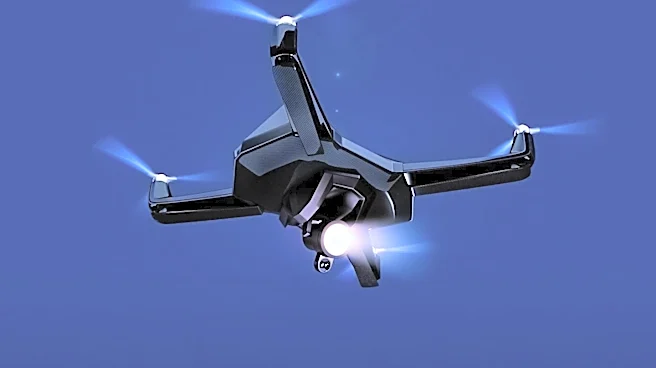
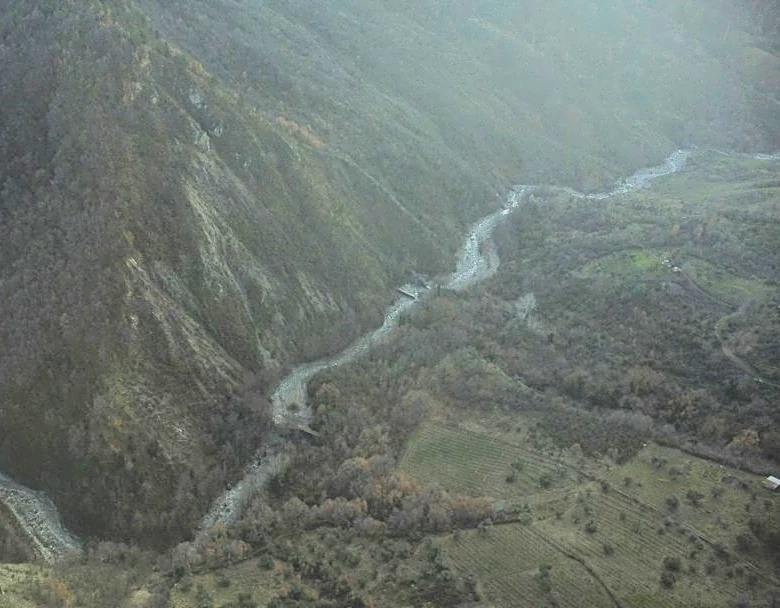
A 'Gerbera' type drone discovered in a forest strip outside Gordinești village in the Rezina district of Moldova was found to contain no explosives, according to specialists from the police's pyrotechnic subdivision. Following a thorough examination of the aerial
device, authorities confirmed its identification as a Gerbera drone. Investigations further established that no explosive devices or substances were present on board the drone. Typically, this type of drone is utilized for reconnaissance purposes. The finding comes amidst broader concerns in the region regarding unidentified aerial objects.
Why It's Important?
The discovery of a Gerbera drone in Moldova, even without explosives, underscores the ongoing regional tensions and the potential for aerial incursions. While the immediate threat of an explosion was averted, the presence of a reconnaissance drone highlights vulnerabilities in airspace security and the challenges of monitoring borders. For the U.S. and its allies, such incidents in Eastern Europe are significant as they reflect the broader security environment and the proliferation of drone technology. It emphasizes the need for robust air defense systems and intelligence sharing to track and identify unmanned aerial vehicles, especially those that may originate from conflict zones or adversarial nations. The incident also serves as a reminder of the importance of rapid response and forensic analysis capabilities to determine the origin and intent of such devices.
What's Next?
Moldovan authorities will likely continue their investigation to determine the drone's origin and flight path, which could provide insights into its intended purpose and operator. This incident may prompt increased vigilance and potentially enhanced border security measures, including aerial surveillance and radar capabilities, to detect and track unauthorized drones. International cooperation, particularly with neighboring countries and security organizations, could be strengthened to address cross-border drone incidents. The event might also lead to public discussions within Moldova regarding national security and the protection of its airspace. For the U.S., monitoring such incidents in Eastern Europe is crucial for understanding regional stability and informing foreign policy decisions related to security assistance and diplomatic engagement.
Beyond the Headlines
The finding of a reconnaissance drone without explosives, while seemingly benign, carries deeper implications for national sovereignty and the evolving nature of intelligence gathering. It suggests a potential for covert surveillance operations that do not involve direct kinetic threats but can still compromise national security by collecting sensitive information. The incident could also be a test of Moldovan air defense capabilities or a probing action to assess response times and detection systems. Furthermore, the widespread availability and increasing sophistication of drone technology mean that such incursions are likely to become more frequent, posing a persistent challenge for nations worldwide. This necessitates a re-evaluation of traditional notions of border security and the development of comprehensive strategies to counter both armed and unarmed drone threats, including legal frameworks for their interception and investigation.