
What's Happening?
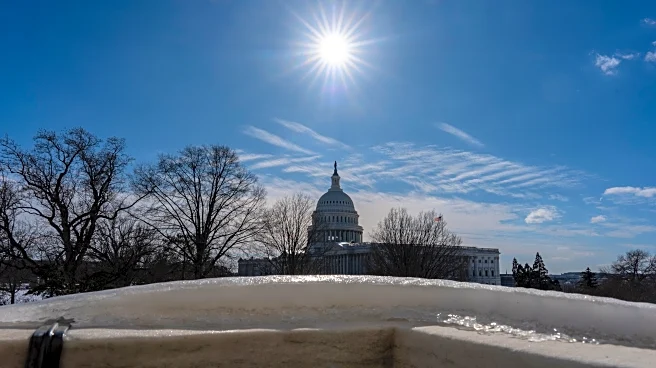
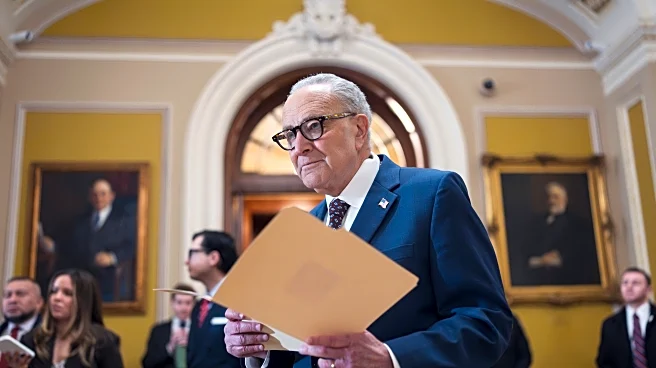
House Democrats have indicated they will not support a Senate-negotiated spending agreement, potentially prolonging the federal government's partial shutdown. The deal, backed by Senate Minority Leader
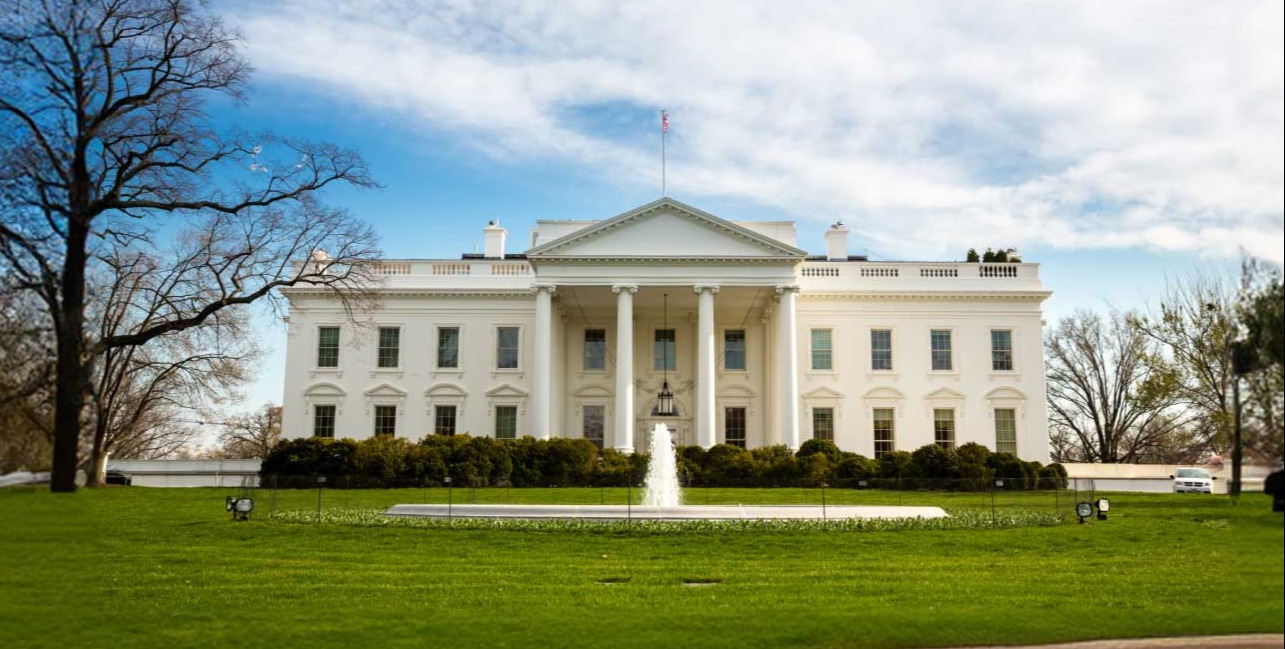
Chuck Schumer and the White House, lacks the necessary Democratic votes for fast-tracking in the House. Without bipartisan support, the legislation faces procedural hurdles, delaying its passage. The shutdown affects several federal departments, including Homeland Security and Health and Human Services. Internal Republican disagreements and demands for additional policy provisions further complicate the situation.
Why It's Important?
The ongoing shutdown highlights the deep partisan divides in Congress, affecting government operations and federal employees. The impasse underscores the challenges in reaching consensus on budgetary matters, with potential impacts on public services and national security. The situation also reflects broader political dynamics, as both parties navigate internal and external pressures. The outcome of these negotiations could influence future legislative strategies and the political landscape ahead of upcoming elections.
What's Next?
The House is expected to continue deliberations, with the possibility of further negotiations to reach a compromise. The shutdown's continuation could lead to increased public pressure on lawmakers to resolve the impasse. The situation may also prompt discussions on long-term funding solutions and reforms to prevent future shutdowns. Stakeholders, including federal employees and affected industries, will be closely monitoring developments.