







What's Happening?
On Saturday, November 7, 2026, a Belize Defence Force (BDF) patrol conducting a routine patrol around Sarstoon Island was aggressively approached by two Guatemalan Armed Forces (GAF) vessels. These GAF vessels reportedly crossed into Belizean waters in an apparent
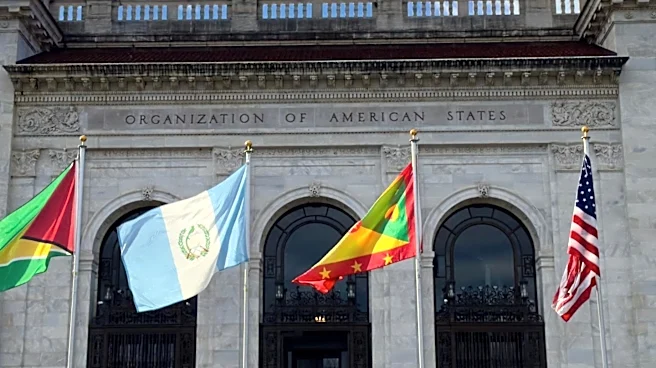
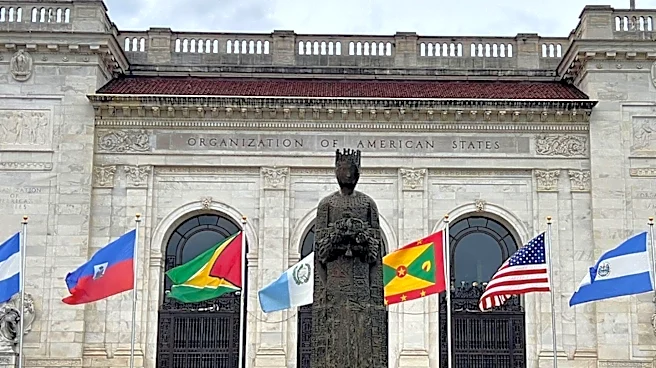
act of intimidation. The BDF patrol maintained professionalism and restraint, safely returning to the Sarstoon Forward Operating Base after completing its patrol. Following the incident, the Sarstoon Forward Operating Base has been reinforced with additional BDF and Belize Coast Guard vessels. The Government of Belize has strongly condemned these acts of aggression and the incursion into its sovereign waters. Belize asserts that, under the 1859 Treaty, the boundary is the mid-channel of the Sarstoon River, and Sarstoon Island is within Belize’s sovereign territory. With Guatemala’s territorial claim currently pending before the International Court of Justice, both nations are obligated to refrain from actions that could escalate the dispute. Belize plans to lodge a formal protest with the Government of Guatemala and report the incident to the Organization of American States (OAS).
Why It's Important?
This incident is significant as it represents a direct challenge to Belize's sovereignty and territorial integrity, potentially escalating long-standing border disputes with Guatemala. The aggressive actions by Guatemalan forces in what Belize considers its sovereign waters could undermine regional stability and diplomatic efforts towards a peaceful resolution. Reporting the incident to the Organization of American States (OAS) elevates the matter to an international forum, seeking diplomatic intervention and adherence to international law. The reinforcement of the Sarstoon Forward Operating Base signals Belize's commitment to defending its borders and protecting its personnel. Such incursions can strain bilateral relations, impact regional security cooperation, and potentially deter foreign investment in areas perceived as unstable. The incident also highlights the ongoing need for clear demarcation and respect for established treaties, especially while a case is pending before the International Court of Justice. The international community's response, particularly from the OAS, will be crucial in de-escalating tensions and reinforcing principles of sovereignty and non-aggression.
What's Next?
Belize will proceed with lodging a formal protest with the Government of Guatemala regarding the incursion. Concurrently, the incident will be reported to the Organization of American States (OAS), which is expected to review the matter and potentially facilitate dialogue or mediation between the two countries. The OAS's involvement could lead to diplomatic pressure on Guatemala to respect Belizean sovereignty and adhere to international agreements. Both nations are currently bound by the obligation to refrain from actions that could aggravate their territorial dispute, especially while the case is before the International Court of Justice. The reinforcement of Belize's Sarstoon Forward Operating Base indicates a continued posture of vigilance and defense. Future developments will likely depend on Guatemala's response to Belize's protest and the OAS's engagement. The international community will be watching closely to ensure that both parties uphold their commitments to peaceful resolution and avoid further provocations that could destabilize the region.
Beyond the Headlines
The recurring tensions in the Sarstoon River area underscore deeper historical and geopolitical complexities between Belize and Guatemala. Beyond the immediate territorial dispute, these incidents reflect differing interpretations of colonial-era treaties and national identity. Ethically, the aggressive actions by Guatemalan forces raise questions about adherence to international norms of peaceful coexistence and respect for sovereign borders. Legally, the ongoing case at the International Court of Justice is the primary mechanism for resolving the dispute, and any actions that could be perceived as prejudicing the court's decision are problematic. Culturally, such incidents can fuel nationalistic sentiments in both countries, potentially hindering efforts towards regional integration and cooperation. The long-term implications include the potential for increased militarization of the border region, diversion of resources from socio-economic development, and a chilling effect on cross-border community relations. A lasting resolution requires not only legal clarity but also sustained diplomatic engagement and a commitment from both nations to foster mutual trust and respect.