






What's Happening?
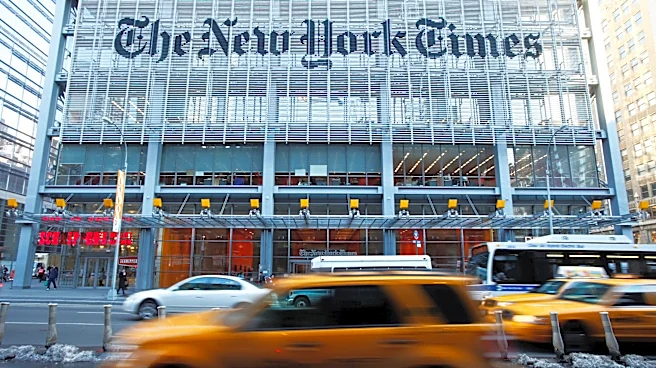
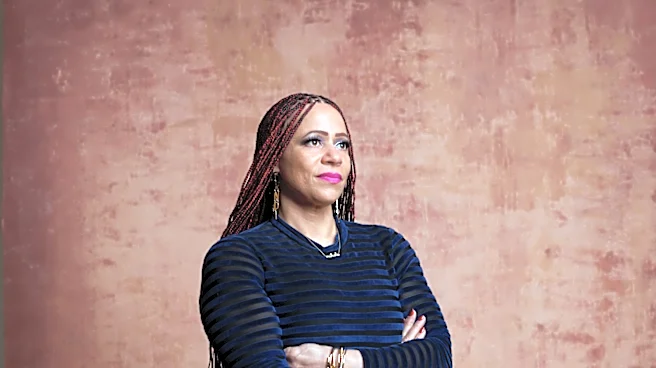
New York Times journalist and 1619 Project founder Nikole Hannah-Jones and her daughter, Najya, recently appeared on an episode of 'This American Life' to revisit their differing views on Hannah-Jones' decision to send Najya to predominantly Black public
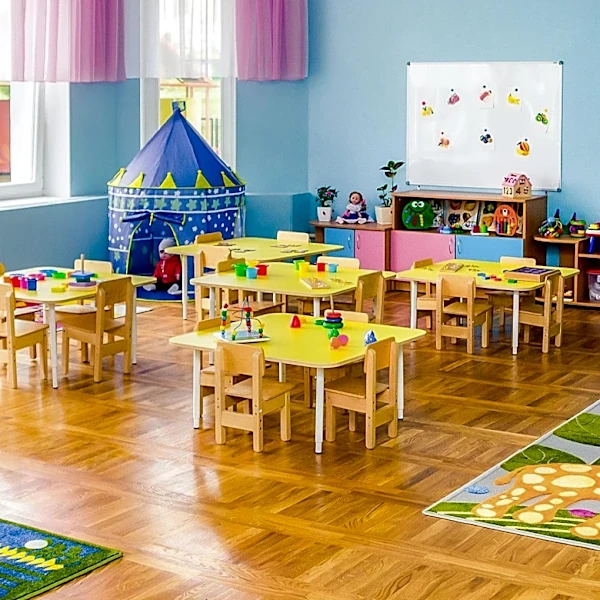
schools. Hannah-Jones had previously expressed regret over aspects of this choice in a New York Times Magazine essay, aiming to challenge school segregation. During the podcast, Najya, 16, voiced her disagreement with her mother's reasoning, questioning why her education was 'sacrificed' for an ideological stance. She stated she 'wasn't having it' and asked, 'Why am I here?' Najya was later allowed to choose her own high school, which was predominantly White and Asian. While she initially struggled academically there, her parents provided tutoring and support. The podcast segment highlighted Najya's perspective that there was no benefit to her or the school from her attending the less-resourced schools, directly challenging her mother's rationale.
Why It's Important?
This discussion is important as it brings a personal and emotional dimension to the ongoing national debate about school choice, educational equity, and the impact of ideological decisions on individual students. Nikole Hannah-Jones is a prominent figure in discussions surrounding race and education, and her public reflection on her own family's experience adds a significant layer to the discourse. The daughter's perspective underscores the direct consequences of such decisions on students, highlighting potential academic and social challenges. The exchange also touches on the broader societal implications of school segregation and the effectiveness of various approaches to address it. It prompts a re-evaluation of whether individual sacrifices for a collective ideal are justifiable, and who ultimately bears the cost. The involvement of a research fellow from The Heritage Foundation, Corey DeAngelis, who advocates for prioritizing children's individual educational needs, further illustrates the ideological divide on this issue.
What's Next?
The podcast discussion is likely to fuel further conversations and debates among educators, policymakers, parents, and advocates regarding school choice and educational strategies. It may encourage more parents to consider the direct impact of school placement decisions on their children's well-being and academic trajectory, rather than solely focusing on broader societal goals. For Nikole Hannah-Jones, this public dialogue with her daughter could lead to further personal reflections or public statements on her evolving views on school choice. The renewed attention to her initial essay and her daughter's response might also prompt other public figures and institutions involved in educational reform to examine their own approaches and consider the individual experiences of students within systemic issues. The ongoing debate will likely continue to influence policy discussions at local and national levels concerning school funding, desegregation efforts, and parental rights in education.
Beyond the Headlines
Beyond the immediate discussion of school choice, this story delves into the complex ethical and personal dilemmas faced by individuals who champion social causes. It highlights the tension between advocating for systemic change and making personal decisions that may conflict with those ideals. The narrative explores the often-unseen emotional toll on children who become part of a larger social experiment or ideological stance. It also raises questions about the efficacy of certain desegregation strategies and whether they inadvertently disadvantage the very individuals they aim to help. The public nature of this family's disagreement underscores the intense scrutiny and personal sacrifice that can accompany prominent advocacy. Furthermore, it implicitly questions the role of public intellectuals in shaping policy and public opinion, especially when their personal experiences diverge from their stated positions, prompting a deeper examination of authenticity and accountability in public discourse.