
What's Happening?
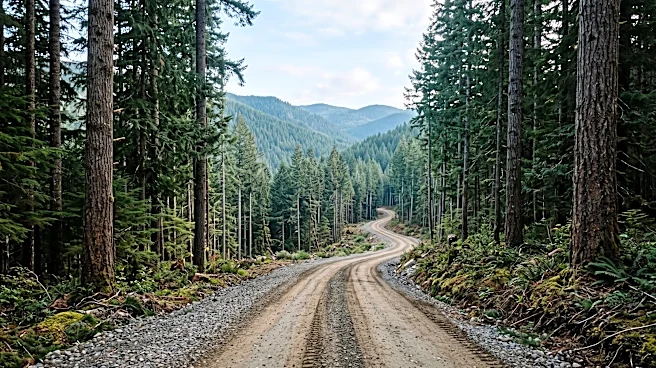
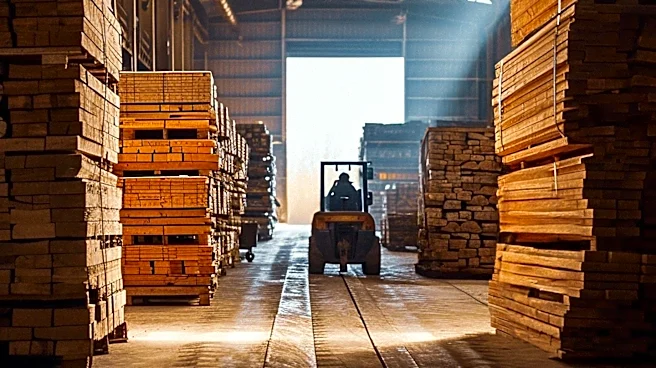
Hampton Lumber is actively involved in the ownership and management of the 53,000-acre Eatonville Forest, located in eastern Pierce County. This extensive landholding is utilized for timber management,
indicating ongoing forestry operations. Additionally, Hampton Lumber facilitates recreational access to certain areas of the forest, specifically for hunting, which requires permits. The company also participates in the Manulife Access Program, a framework designed to manage and regulate access to its various land properties. This dual focus on timber production and controlled recreational use highlights Hampton Lumber's comprehensive approach to land stewardship in the region.
Why It's Important?
The management of the Eatonville Forest by Hampton Lumber is significant for several reasons. Economically, it represents a substantial timber resource, contributing to the U.S. forestry industry and local economies through logging and related activities. Environmentally, the scale of the forest management operations has implications for biodiversity, carbon sequestration, and watershed health in Pierce County. The provision of recreational access, particularly for hunting, underscores the balance between commercial land use and public enjoyment of natural resources. The involvement in the Manulife Access Program suggests a structured approach to land access, which can impact local communities, outdoor enthusiasts, and conservation efforts. This model of private land ownership with managed public access is a common, yet often complex, aspect of land use in the United States, influencing regional development and environmental policy.
What's Next?
Future developments for Hampton Lumber's management of the Eatonville Forest will likely involve continued timber harvesting operations, guided by sustainable forestry practices. The company will also need to maintain and potentially adjust its recreational access policies, especially concerning hunting permits, to balance public demand with ecological considerations and safety. Participation in programs like the Manulife Access Program suggests an ongoing commitment to structured land management, which may evolve with new environmental regulations or community needs. Stakeholders, including local residents, environmental groups, and recreational users, will continue to monitor Hampton Lumber's activities, potentially leading to discussions about land use, conservation, and public access in the long term.
Beyond the Headlines
Beyond the immediate operations, Hampton Lumber's management of the Eatonville Forest touches upon broader themes of private land stewardship and its role in the U.S. landscape. The balance between economic utilization of natural resources and their conservation for ecological and recreational value is a persistent challenge. The company's approach could serve as a case study for sustainable forestry and managed access, influencing practices across other large private landholdings. Ethical considerations regarding resource extraction, habitat preservation, and equitable public access are inherent in such large-scale land management. The long-term health of the forest, its contribution to regional ecosystems, and its accessibility to the public will be enduring implications of Hampton Lumber's ongoing decisions.