
What's Happening?
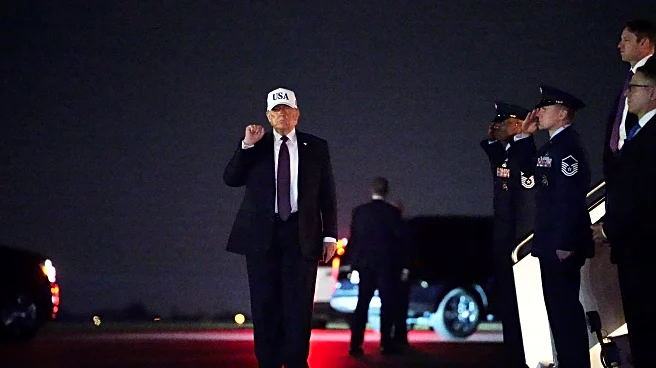
President Donald Trump announced that he has agreed to engage in talks with Iran's new leadership, following a significant escalation in military tensions. In an interview with The Atlantic, Trump stated that Iran's new leaders have expressed a desire
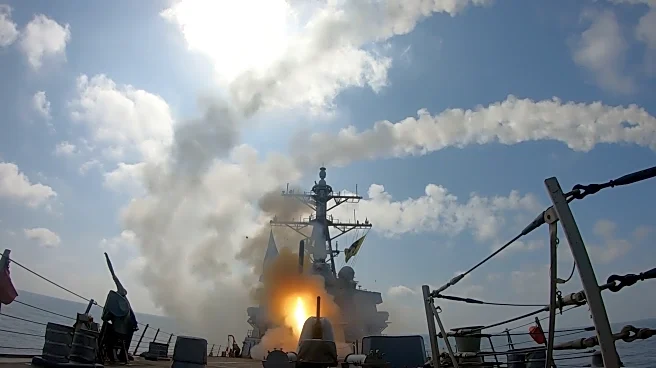
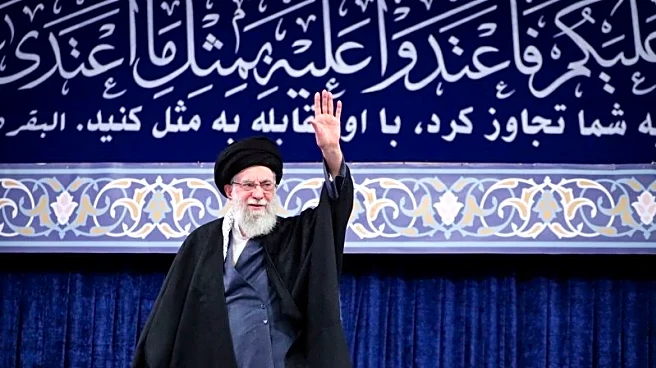
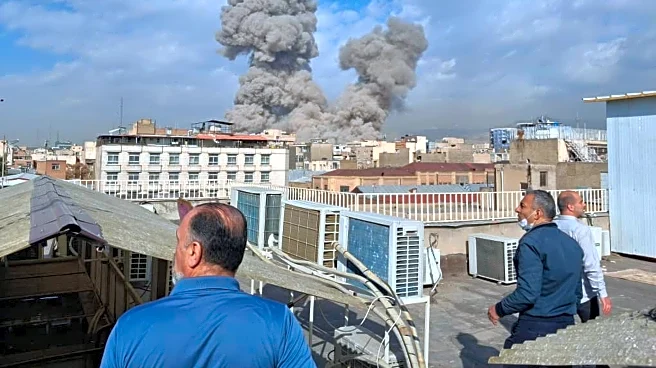
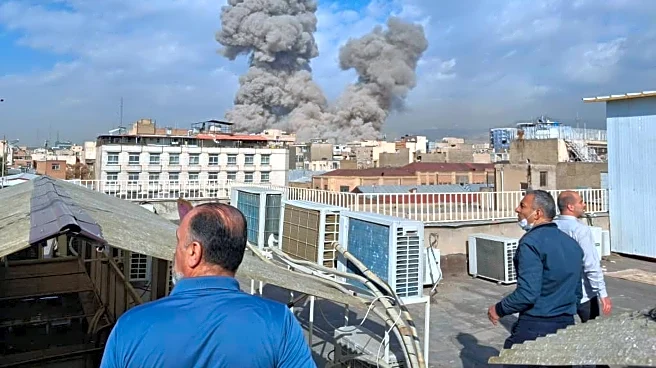
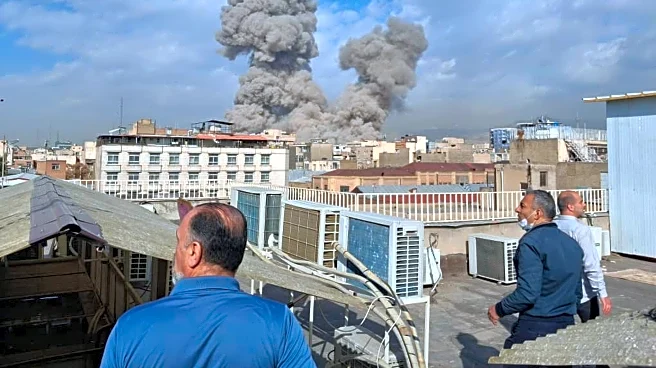
to open discussions, and he has consented to this dialogue. This development comes after Trump claimed that U.S. forces had sunk nine Iranian naval vessels and largely destroyed Iran's naval headquarters. The Iranian leadership has undergone changes following the death of Ayatollah Ali Khamenei, with a temporary council assuming leadership duties. Trump did not specify the timing or the individuals involved in the upcoming talks.
Why It's Important?
The potential talks between the U.S. and Iran could mark a significant shift in diplomatic relations, especially following the recent military actions. The destruction of Iranian naval assets by the U.S. signals a heightened state of conflict, which could have broader implications for regional stability in the Middle East. The willingness of Iran's new leadership to engage in dialogue may open pathways to de-escalate tensions and address longstanding issues, including Iran's nuclear ambitions. However, the military actions and leadership changes in Iran could also lead to internal instability, affecting global oil markets and international relations.
What's Next?
The next steps involve the scheduling and execution of talks between the U.S. and Iran. The international community will be closely monitoring these developments, as they could influence global diplomatic and economic landscapes. Potential reactions from other regional powers, such as Israel and Saudi Arabia, will also be critical in shaping the outcome of these talks. The U.S. administration may face domestic and international pressure to ensure that any agreements reached address security concerns and promote stability.