

What's Happening?
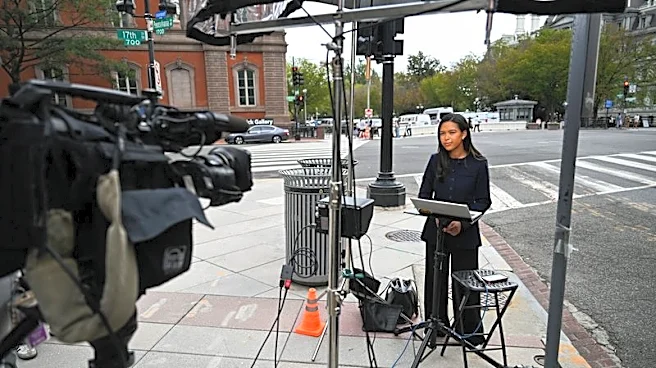
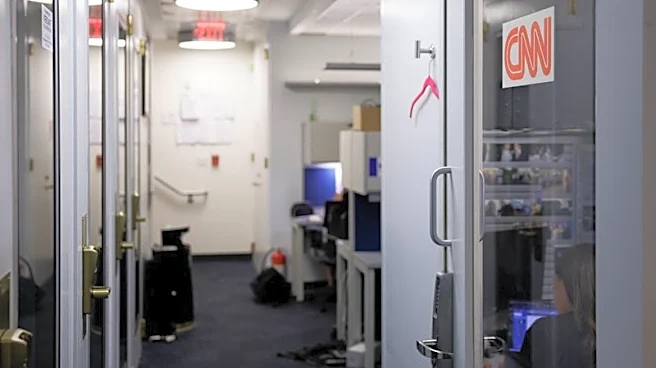
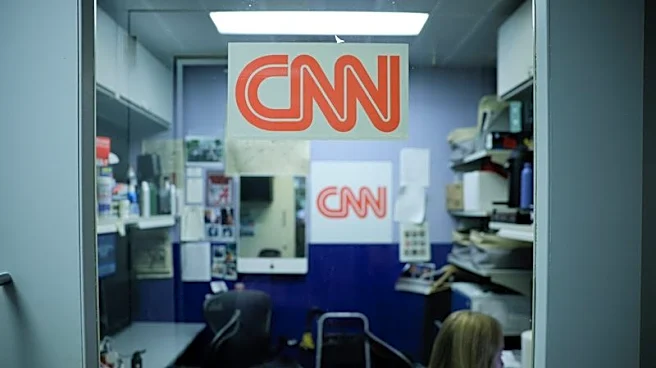
First Lady Melania Trump has approved a CNN reporter, Betsy Klein, to cover her 'Fostering the Future' event in New York City, despite President Trump's recent ban of CNN and other outlets from the White House press pool. This decision comes after President Trump announced
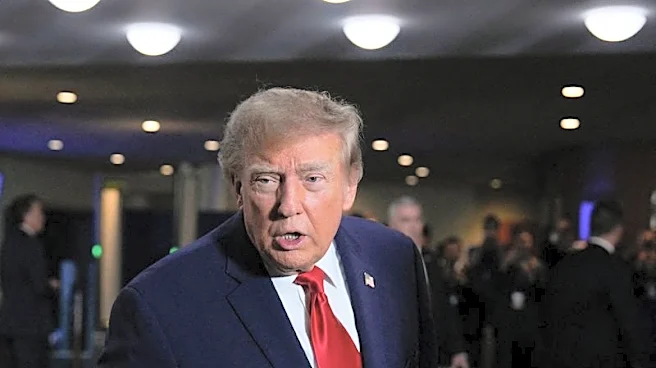
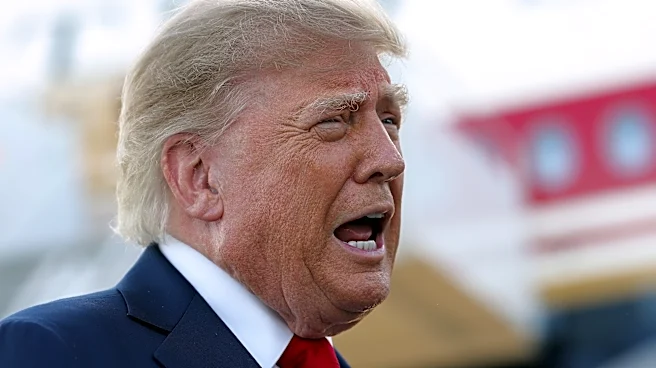
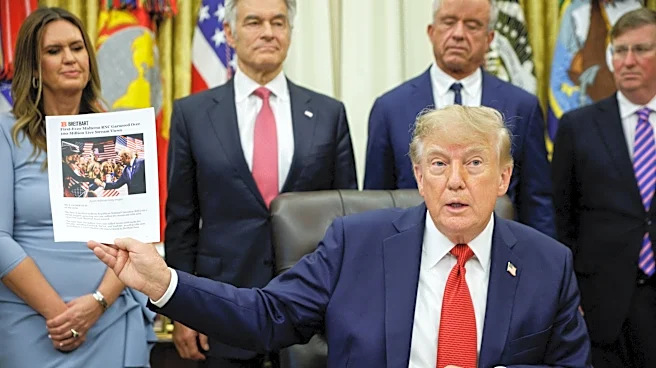
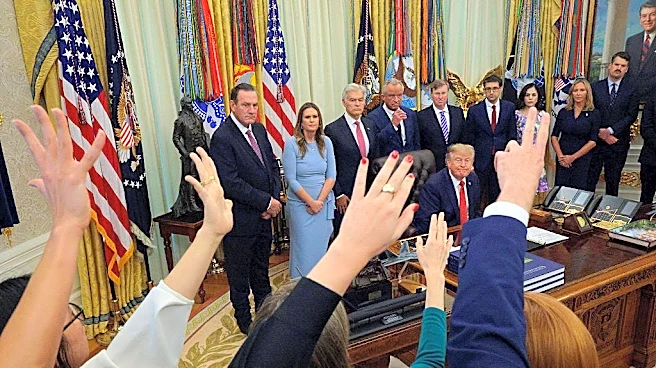
via Truth Social that CNN, Politico, and MS NOW were banned from the White House, citing their reporting as 'FICTION and LIES' and 'DANGEROUS for our Country.' He criticized what he called 'Fake News people and publications' for writing negatively and violating national security with false stories. In response to the ban, CNN stated that their journalists' credentials were revoked and access denied, calling it an 'illegal assault on this fundamental right' under the US Constitution. Major TV networks, including ABC, NBC, CBS, and Fox News, along with other prominent news outlets like The Washington Post and The New York Times, have ceased their coverage of President Trump in protest and will not publish images from the White House photography pool.
Why It's Important?
This development highlights a significant tension between the Trump administration and major news organizations, raising concerns about press freedom and access to information in the U.S. The President's ban on specific media outlets from the White House press pool, and the subsequent solidarity shown by other news organizations, underscores a deepening divide in the media landscape. The First Lady's decision to grant access to a CNN reporter for her event, while seemingly a small gesture, could be interpreted in various ways: as an attempt to soften the administration's stance, a strategic move to ensure coverage for her initiatives, or an indication of differing approaches within the White House regarding media engagement. The broader implications involve the public's right to diverse news sources and the role of the press in holding government accountable, especially when access is restricted based on perceived negativity of reporting.
What's Next?
The situation is likely to continue evolving as news organizations, including CNN, Politico, and MS NOW, pursue lawsuits against President Trump, arguing that their restriction from the White House is a 'direct assault on the First Amendment.' These legal challenges will test the boundaries of presidential authority regarding press access and the constitutional rights of journalists. The ongoing protest by major media outlets, refusing to publish images from the White House photography pool, could pressure the administration to reconsider its media policies. Future interactions between the White House and the press will be closely watched, particularly how the administration balances its desire to control narratives with the public's expectation of transparent government and a free press. The outcome of these legal and journalistic battles could set precedents for future administrations' relationships with the media.
Beyond the Headlines
The controversy extends beyond immediate press access, touching upon fundamental principles of democracy and the role of a free press in a functioning society. The President's rhetoric, labeling critical reporting as 'fake news' and 'dangerous,' contributes to a climate of distrust in media institutions, which can have long-term effects on public discourse and civic engagement. The solidarity shown by various news outlets in response to the ban suggests a collective defense of journalistic integrity and the First Amendment. This episode also highlights the increasing polarization of media consumption and the challenges of maintaining a shared factual basis for public debate. The ethical implications of a government selectively granting or denying access to journalists based on their reporting content are profound, potentially undermining the press's ability to serve as a check on power and inform the citizenry objectively.