
What's Happening?
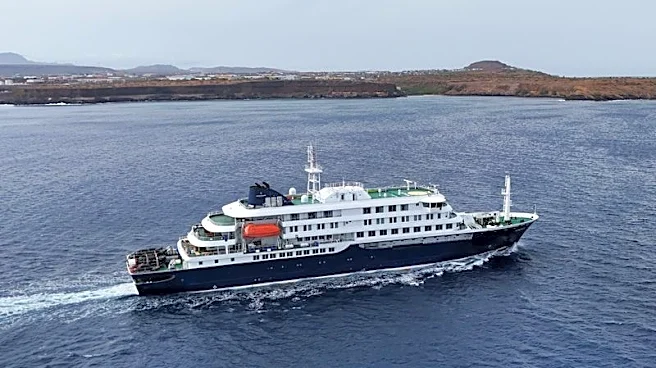
The World Health Organization (WHO) is urgently developing protocols to manage the first documented hantavirus outbreak on a cruise ship, which is currently en route to Tenerife. The outbreak involves
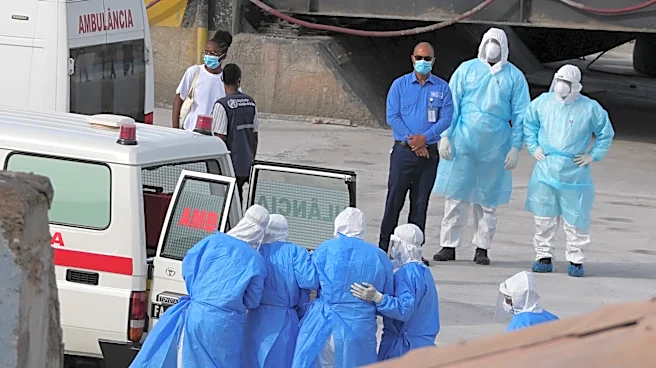
the Andes virus, known for its rare human-to-human transmission, and has resulted in three fatalities among at least eight suspected or confirmed cases. WHO officials are focusing on isolating sick passengers and monitoring others, drawing on lessons from a previous outbreak in Argentina. The organization is coordinating with national governments to implement quarantine measures and contact tracing to prevent further spread.
Why It's Important?
This outbreak highlights the challenges of managing infectious diseases in confined environments like cruise ships, where close contact can facilitate rapid transmission. The WHO's response is crucial in preventing a larger epidemic, as the Andes virus has a high fatality rate. The situation underscores the need for robust public health measures and international cooperation to contain such outbreaks. The incident also raises awareness about hantaviruses, which, despite their rarity, pose significant health risks. Effective management of this outbreak could serve as a model for future responses to similar public health threats.
What's Next?
The WHO is finalizing guidelines for disembarkation and onward travel of passengers, with national authorities expected to enforce quarantine and monitoring protocols. The UK government has already announced plans to repatriate its citizens under strict infection-control measures. As the ship approaches Tenerife, authorities will need to implement these protocols swiftly to prevent further transmission. The situation may prompt a reevaluation of health protocols on cruise ships and other similar settings, potentially leading to stricter regulations and preparedness plans for future outbreaks.
Beyond the Headlines
The outbreak on a cruise ship presents unique challenges, as passengers are often from diverse international backgrounds, complicating contact tracing and coordination efforts. This incident may lead to increased scrutiny of cruise ship health standards and the development of more comprehensive outbreak response strategies. Additionally, it highlights the importance of global health organizations in coordinating responses to emerging infectious diseases, emphasizing the need for continued investment in public health infrastructure and research.