






What's Happening?
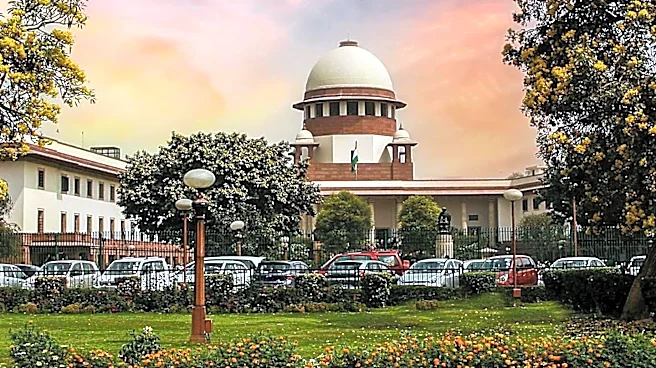
The Supreme Court's ruling in West Virginia v. B.P.J. upheld a state law barring transgender girls from participating in sports corresponding to their gender identity. The court analyzed the law under equal protection as sex discrimination but departed
from traditional principles, raising concerns about weakening constitutional protections against sex discrimination. Justice Sonia Sotomayor, in a dissenting opinion, argued that the court should have required an 'exceedingly persuasive justification' for the law, emphasizing the need for individualized assessments rather than broad generalizations.
Why It's Important?
The ruling in West Virginia v. B.P.J. has significant implications for the legal standards applied to sex discrimination cases. By potentially lowering the threshold for justifying sex-based discrimination, the decision could impact future cases involving gender identity and equal protection. This development highlights ongoing debates over the rights of transgender individuals and the interpretation of constitutional protections. The ruling may influence legislative and judicial approaches to similar issues, affecting the broader landscape of civil rights and equality in the U.S.