





What's Happening?
Sri Lanka is actively strengthening its position as a premier wellness travel destination by integrating its ancient Ayurveda traditions with modern spa facilities. The country is offering global travelers unique opportunities to engage with natural healing
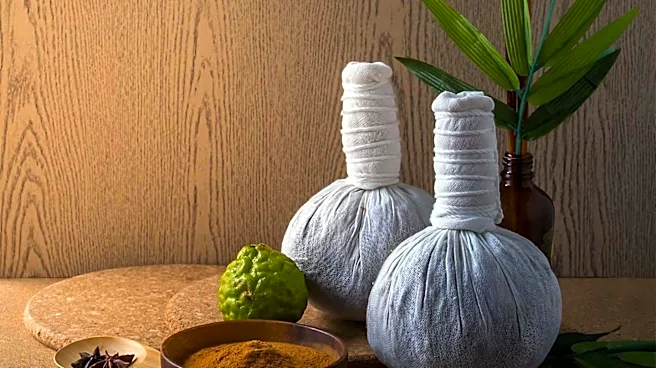
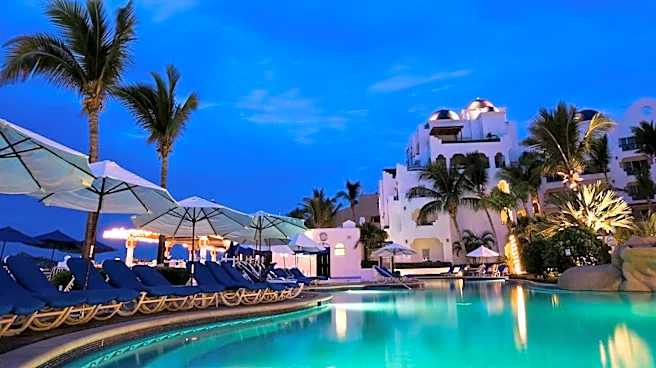
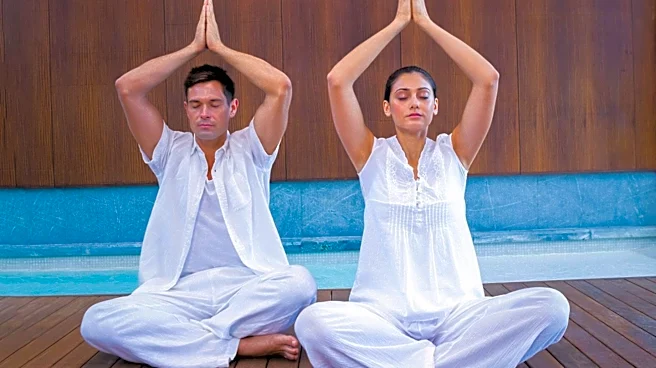
methods, traditional therapies, and serene environments amidst its diverse landscapes, including beaches, forests, and cultural sites. This initiative is a direct response to the increasing global demand for wellness holidays, encouraging more international visitors to incorporate Ayurveda experiences into their travel itineraries. Unlike conventional spa visits, Sri Lankan Ayurveda programs adopt a holistic lifestyle approach, encompassing herbal treatments, dietary adjustments, meditation, and relaxation practices tailored to individual needs. Sri Lanka Tourism is highlighting Ayurveda as a distinctive travel experience, with numerous spas and wellness centers providing a blend of Eastern and Western therapies. These offerings aim to cater to travelers seeking both relaxation and cultural immersion, providing a comprehensive approach to well-being that extends beyond typical tourism. The country's wellness tourism sector combines health-focused travel with sightseeing, allowing visitors to enjoy therapeutic experiences while exploring Sri Lanka’s natural and cultural attractions.
Why It's Important?
This strategic push by Sri Lanka to promote Ayurveda tourism holds significant importance for the global wellness industry and for the country's economic development. By tapping into the growing market for health-conscious travel, Sri Lanka is diversifying its tourism offerings and attracting a niche segment of travelers seeking authentic healing and rejuvenation. This move can lead to increased foreign exchange earnings, job creation in the hospitality and wellness sectors, and the preservation and promotion of traditional Ayurvedic knowledge. For the wellness industry, it sets a precedent for integrating ancient healing systems with modern tourism, potentially inspiring other countries with rich traditional medicine practices to follow suit. Travelers stand to gain access to unique, personalized wellness programs that address physical and mental well-being, offering an alternative to conventional vacations. The emphasis on natural ingredients, herbal preparations, and traditional techniques also connects visitors with Sri Lanka’s indigenous wellness heritage, fostering cultural exchange and appreciation. This initiative positions Sri Lanka as a leader in a rapidly expanding sector, offering a model for sustainable and culturally rich tourism.
What's Next?
Sri Lanka is expected to continue expanding its Ayurveda tourism infrastructure and marketing efforts to further solidify its position as a global wellness hub. This will likely involve developing more specialized Ayurveda centers, training additional practitioners, and creating diverse package deals that combine wellness treatments with other tourist attractions. The country will also focus on ensuring the authenticity and quality of its Ayurveda offerings to maintain its reputation and attract discerning travelers. Potential reactions from major stakeholders include increased investment from international wellness brands and tour operators looking to capitalize on this growing trend. Local communities and businesses are likely to see continued benefits through increased tourism revenue and employment opportunities. Furthermore, there may be a push for international collaborations and certifications to standardize and promote Sri Lankan Ayurveda globally. The ongoing promotion of Ayurveda tourism will also likely lead to more research and development in traditional medicine, further integrating ancient practices with contemporary health and wellness trends.
Beyond the Headlines
The promotion of Ayurveda tourism in Sri Lanka carries deeper implications beyond economic benefits, touching upon cultural preservation, ethical considerations, and the global shift towards holistic health. By showcasing its centuries-old Ayurveda traditions, Sri Lanka is not only attracting tourists but also actively preserving and revitalizing an integral part of its cultural heritage. This initiative encourages the intergenerational transfer of traditional knowledge and practices, ensuring their continuity in a rapidly modernizing world. Ethically, it raises questions about responsible tourism and the potential for commercialization to impact the authenticity of traditional healing. Ensuring that the practices remain true to their origins while being accessible to a global audience will be a continuous challenge. Culturally, it fosters a greater understanding and appreciation of diverse healing philosophies, potentially influencing global perspectives on health and well-being. The long-term shift towards holistic health, emphasizing the interconnectedness of mind, body, and spirit, is further reinforced by such initiatives, suggesting a broader societal move away from purely symptomatic treatments towards comprehensive wellness approaches. This could lead to a greater integration of traditional medicine into mainstream healthcare discussions and practices worldwide.