










What's Happening?
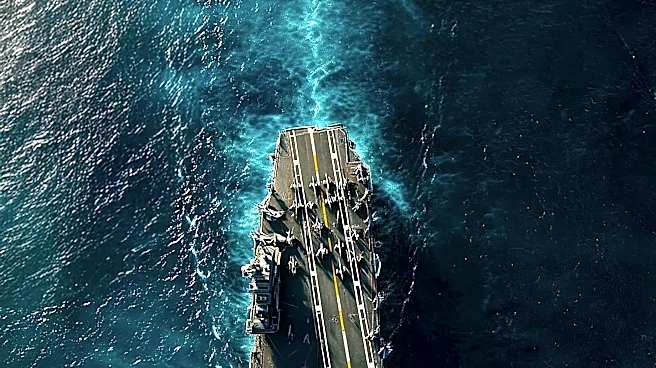
Boeing's MQ-25 Stingray, an uncrewed naval refueling aircraft, has returned to sea aboard the USS Nimitz for the first time in five years. The MQ-25 T1 test demonstrator, owned by Boeing, previously completed deck handling trials in 2021 on the USS George
HW Bush. The aircraft, now sporting the US Navy's standard 'fleet grey' paint scheme, is part of a commemorative deployment to mark the 250th anniversary of the United States. The MQ-25 is positioned on the flight deck alongside Boeing F/A-18E/F Super Hornet strike fighters and Northrop Grumman C-2 Greyhounds. Although capable of land-based flight, the MQ-25 T1 has not flown off a carrier and is not expected to do so during this deployment. Boeing is also conducting flight tests with the first production-model MQ-25, which began in April at MidAmerica airport in Illinois. The Pentagon granted Milestone C approval in May, allowing Boeing to start low-rate initial production. The US Navy plans to acquire at least 76 MQ-25s to replace F/A-18 'buddy tankers' and enhance carrier air wing capabilities.
Why It's Important?
The deployment of the MQ-25 Stingray aboard the USS Nimitz represents a significant advancement in naval aviation technology, offering a glimpse into the future of carrier air wings. The MQ-25 is designed to provide integrated aerial refueling support, a role currently filled by F/A-18 'buddy tankers,' which detracts from their combat capabilities. By automating refueling missions, the MQ-25 will allow strike fighters to focus on combat duties, potentially increasing the operational efficiency and combat readiness of carrier air wings. The introduction of the MQ-25 is expected to enhance the strategic capabilities of the US Navy, allowing for more flexible and sustained operations at sea. This development is crucial as it aligns with the Navy's broader modernization efforts and strategic objectives, particularly in the context of increasing global maritime challenges.
What's Next?
Following the current deployment, the USS Nimitz will participate in an international exercise, FLEETEX 250, before sailing to New York for a naval review as part of the United States' 250th anniversary celebrations. Boeing is set to continue production and testing of the MQ-25, with initial operational capability now targeted for 2029. The US Navy's plan to retrofit its carrier fleet with shipboard control stations for MQ-25 operations is underway, indicating a commitment to integrating this technology into its future operations. The successful deployment and integration of the MQ-25 could influence future naval procurement and operational strategies, potentially setting a precedent for further automation and technological advancements in military aviation.