



What's Happening?
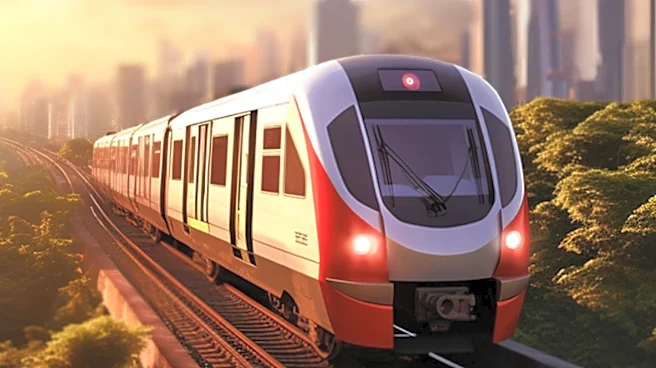
Amtrak has officially reopened East River Tunnel Line 2, a critical rail link in the Northeast Corridor, following a year-long rehabilitation project. This milestone marks the halfway point of a broader restoration effort initiated over a decade after
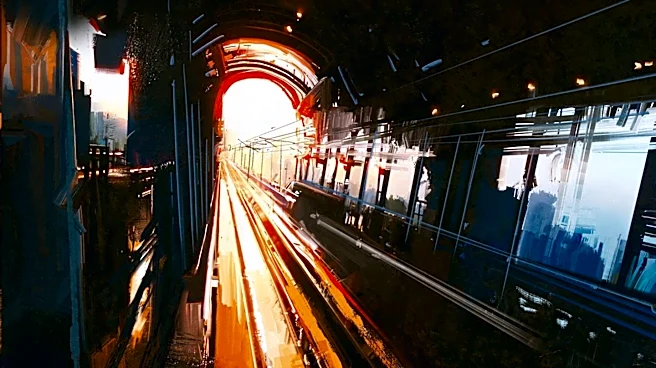
Superstorm Sandy caused significant damage in 2012. The 116-year-old tunnel, which accommodates over 450 daily Amtrak, Long Island Rail Road, and NJ Transit trains, underwent extensive modernization. The project involved stripping Line 2 down to its concrete liner and reconstructing key tunnel systems, including new track, drainage, power, communications, and state-of-the-art life safety systems. Related infrastructure upgrades were also completed near Long Island City in Queens. Senator Chuck Schumer highlighted his role in securing $1.3 billion in funding for the repairs.
Why It's Important?
The reopening of East River Tunnel Line 2 is a crucial development for the hundreds of thousands of daily commuters and travelers who rely on the Northeast Corridor. The tunnel's damage from Superstorm Sandy significantly impacted rail service, including a 20% reduction in Long Island Rail Road capacity, leading to service disruptions and delays. The comprehensive modernization aims to enhance reliability and safety, directly benefiting passengers by reducing the likelihood of future service interruptions. This project also represents a significant investment in critical infrastructure, demonstrating a commitment to maintaining and upgrading the nation's aging transportation networks. The successful completion of this phase provides a blueprint for future infrastructure projects, particularly those addressing climate change resilience.
What's Next?
With Line 2 now operational, Amtrak is preparing to begin rehabilitation work on Line 1, the other tunnel tube damaged by Superstorm Sandy. This next phase is expected to commence in the fall and continue through the end of 2027. Lines 3 and 4 currently do not require rehabilitation. The completion of the entire project will fully restore the East River Tunnel system to its modernized state, further improving rail service and resilience in the Northeast Corridor. Commuters can anticipate continued efforts to minimize disruptions during the upcoming Line 1 rehabilitation, although some impacts may be unavoidable. The success of this project may also influence future funding decisions for similar large-scale infrastructure repairs across the country.
Beyond the Headlines
The East River Tunnel project underscores the long-term consequences of extreme weather events on critical infrastructure and the extensive commitment required for recovery and resilience. The decade-plus timeline from damage to partial restoration highlights the complexity and scale of such undertakings. This project also serves as a case study in inter-agency cooperation and funding allocation for major public works. The modernization of the tunnel's systems, particularly the integration of state-of-the-art life safety features, reflects an evolving understanding of infrastructure needs in the face of both natural disasters and daily operational demands. It also brings into focus the ongoing challenge of balancing the need for essential repairs with minimizing disruption to daily life for millions of people.