





What's Happening?
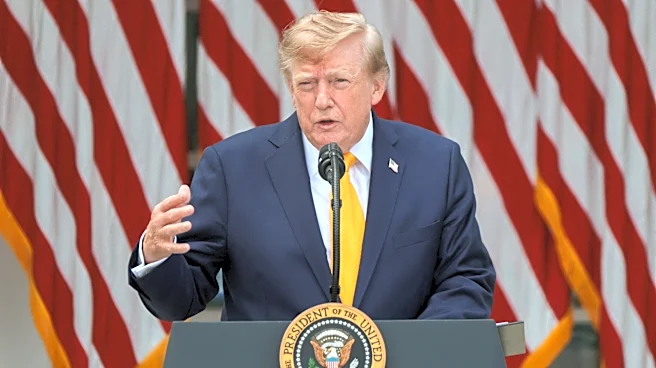
During President Trump's second term, Immigration and Customs Enforcement (ICE) has detained over 610,000 people, a figure exceeding the populations of major U.S. cities like Atlanta or Baltimore, according to data released by the Deportation Data Project.
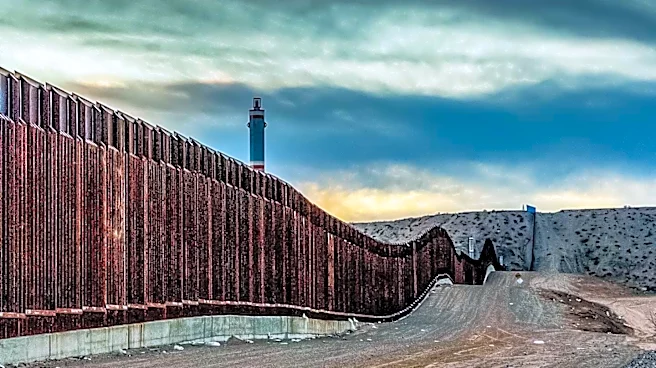
This marks a significant increase in the number of individuals held for extended periods, with over 270,000 people detained for at least a week last year, the highest since 2012. Unlike previous administrations, the Trump administration's ICE is aggressively arresting individuals far from the border, with approximately 80% of detentions originating from the interior of the country. This represents a near-complete reversal from the previous two years under President Joe Biden, when only 30% of detentions came from within the U.S. The administration's policy is to detain almost all unauthorized immigrants, regardless of their individual circumstances, and to hold them for extended periods while their cases proceed through immigration courts.
Why It's Important?
This shift in ICE's enforcement strategy under the Trump administration has profound implications for immigrant communities across the U.S. The focus on interior arrests means that individuals with established community ties, including families, jobs, and homes, are increasingly targeted, leading to significant disruptions in their lives. The prolonged detention periods, often lasting months or even years, can result in job loss, housing instability, and financial hardship for detainees and their families. This approach also places immense strain on the U.S. immigration court system and detention facilities. Critics argue that this aggressive enforcement erodes trust between immigrant communities and law enforcement, while proponents maintain it is necessary for border security and upholding immigration laws. The policy's impact extends beyond individual detainees, affecting the social and economic fabric of cities and towns with large immigrant populations.
What's Next?
The Trump administration's current immigration policies are expected to continue, maintaining a high rate of detentions and a focus on interior enforcement. This will likely lead to ongoing legal challenges from civil rights and immigrant advocacy groups, who argue against the legality and humanitarian impact of these practices. The increased pressure on immigrant communities may also fuel further activism and political mobilization. The long-term consequences of these policies could include a generation of individuals experiencing significant trauma and economic instability, as well as a re-evaluation of U.S. immigration enforcement strategies in future administrations. The debate over the balance between national security, immigration law enforcement, and human rights will remain a central issue in U.S. politics and society.
Beyond the Headlines
The aggressive detention policies of the Trump administration's ICE raise deeper questions about the ethical and moral dimensions of immigration enforcement. The practice of detaining individuals with strong community ties, often for extended periods, challenges the notion of due process and the presumption of innocence, particularly in civil immigration cases. The economic and social costs associated with these detentions, including the separation of families and the loss of livelihoods, extend far beyond the immediate individuals involved, impacting the broader societal fabric. This approach also contributes to a climate of fear and uncertainty within immigrant communities, potentially discouraging cooperation with law enforcement and access to essential services. The long-term societal implications include a potential shift in public perception of immigration and law enforcement, and a re-examination of the values that underpin the U.S. justice system.