





What's Happening?
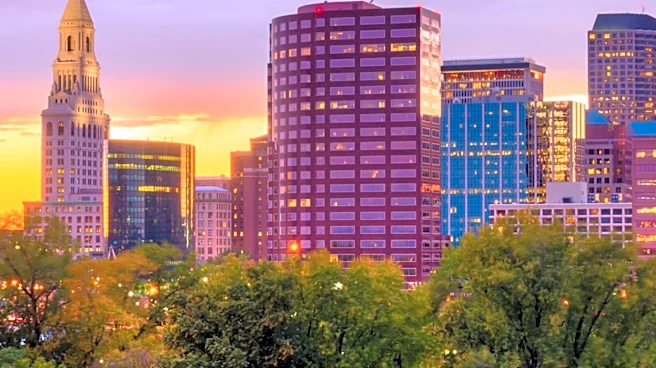
The Connecticut Department of Transportation (CTDOT) and the City of Hartford have announced the installation of 21 new bus shelters across Hartford. This initiative is part of CTDOT’s Statewide Enhancement Program and marks the first completed project
under the Greater Hartford Mobility Program. These new shelters serve approximately 360 passenger boardings each weekday, benefiting over 131,000 annual passenger boardings. The improvements emerged from extensive community outreach and feedback. An additional 47 bus stops in Hartford are currently in the design process for future upgrades. The Bus Stop Enhancement Program is a $20 million statewide initiative aimed at modernizing high-ridership bus stops with new amenities such as shelters, benches, solar lighting, and real-time information displays. The program seeks to install 600 new bus shelters by 2029, ensuring eligible stops comply with the Americans with Disabilities Act and providing a more consistent and accessible experience for riders across Connecticut. So far, 36 bus shelters and four benches with lighting have been delivered statewide, with the first shelters installed last year.
Why It's Important?
This development is important for U.S. society and public policy as it directly addresses the need for improved public transportation infrastructure and accessibility. The investment in new bus shelters enhances the daily commuting experience for thousands of Hartford residents, providing protection from weather elements and increasing comfort. By prioritizing high-ridership locations and ensuring ADA compliance, the program promotes equitable access to public transit, which is crucial for individuals with disabilities and those who rely on buses for their daily commutes. The Greater Hartford Mobility Program's collaborative approach, incorporating community feedback, sets a precedent for how local and state governments can work together to meet the specific needs of their constituents. This initiative also highlights a broader trend in urban planning towards sustainable and accessible public transport solutions, which can reduce reliance on private vehicles, alleviate traffic congestion, and contribute to environmental goals. The modernization of bus stops with features like solar lighting and real-time information displays also represents an advancement in smart city infrastructure, improving efficiency and user experience.
What's Next?
CTDOT plans to install over 100 additional bus shelters in various Connecticut cities, including Bridgeport, Farmington, Mansfield, Stamford, Stratford, Trumbull, Waterbury, and West Haven. The average cost for designing and constructing a bus shelter in Hartford is approximately $26,000 per site. CTDOT has opened the next round of applications for the Bus Stop Enhancement Program, expanding eligibility to more than 1,000 bus stops statewide, including locations where existing shelters need replacement. The program will continue to prioritize high-ridership locations, with a goal of delivering 150 additional installations through this new application round. Municipalities interested in participating are encouraged to submit applications. This ongoing effort indicates a sustained commitment to improving public transit infrastructure and accessibility across Connecticut, with further announcements and project completions expected in the coming years.
Beyond the Headlines
Beyond the immediate benefits of improved bus stops, this initiative reflects a deeper commitment to urban revitalization and social equity. The focus on ADA compliance underscores a growing recognition of the importance of inclusive public spaces and services, ensuring that all members of the community can access transportation independently. The integration of solar lighting and real-time information displays points towards a future where public transit is not only functional but also technologically advanced and environmentally conscious. This program could serve as a model for other states and cities looking to upgrade their public transportation systems, demonstrating how strategic investments and community engagement can lead to tangible improvements in urban living. The long-term impact could include increased public transit ridership, reduced carbon emissions, and enhanced economic opportunities for residents who rely on accessible transportation for employment and services. It also highlights the evolving role of state transportation departments in fostering sustainable and equitable urban development.