





What's Happening?
The White House has confirmed that Immigration and Customs Enforcement (ICE) agents will continue conducting vehicle stops, despite recent incidents where two immigrants were fatally shot by ICE agents. White House Press Secretary Karoline Leavitt stated
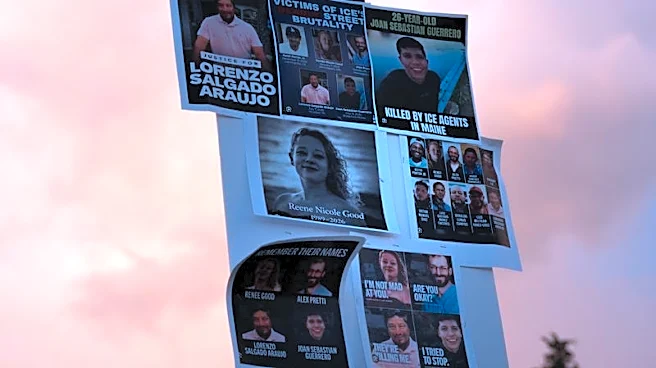
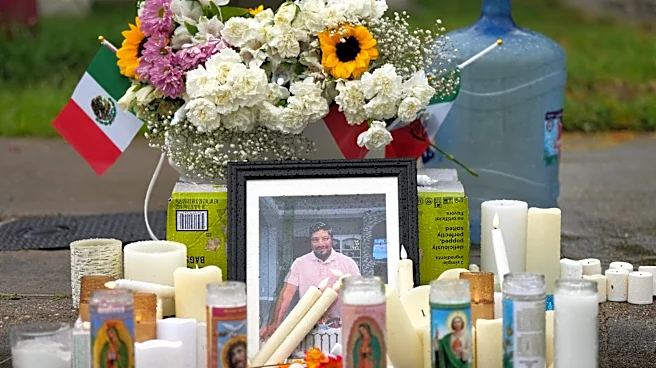
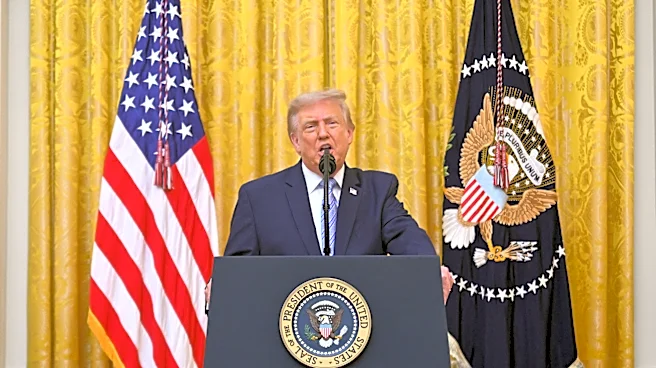
that verbal guidance has been issued to all field offices by the Department of Homeland Security (DHS) to maintain these operations. This decision follows President Trump's assertion on Truth Social that traffic stops are a crucial crime-fighting tool. The incidents in question involved the shooting of Lorenzo Salgado Araujo in Houston and Joan Durán Guerrero in Maine, both of whom were immigrants. The DHS claims that in both cases, the individuals attempted to use their vehicles as weapons, prompting agents to open fire. However, these accounts have been disputed by passengers and have not been substantiated with evidence.
Why It's Important?
The continuation of ICE traffic stops is significant as it underscores the administration's stance on immigration enforcement, particularly in the face of public scrutiny and legal challenges. The decision highlights the tension between federal immigration policies and civil rights concerns, especially following incidents that have resulted in fatalities. This policy could impact immigrant communities across the U.S., potentially increasing fear and tension. It also raises questions about the accountability and oversight of ICE operations, as well as the broader implications for U.S. immigration policy and its enforcement. The administration's decision to continue these stops despite controversy suggests a prioritization of strict immigration control over potential reforms or policy shifts.
What's Next?
The continuation of ICE traffic stops is likely to provoke reactions from various stakeholders, including immigrant advocacy groups, civil rights organizations, and political leaders. These groups may call for increased oversight and accountability of ICE operations, potentially leading to legal challenges or demands for policy reviews. The administration may face pressure to provide more transparency and evidence regarding the incidents that have occurred. Additionally, there could be legislative or judicial responses aimed at addressing the balance between immigration enforcement and civil liberties. The ongoing debate may influence future immigration policies and enforcement strategies.