

What's Happening?
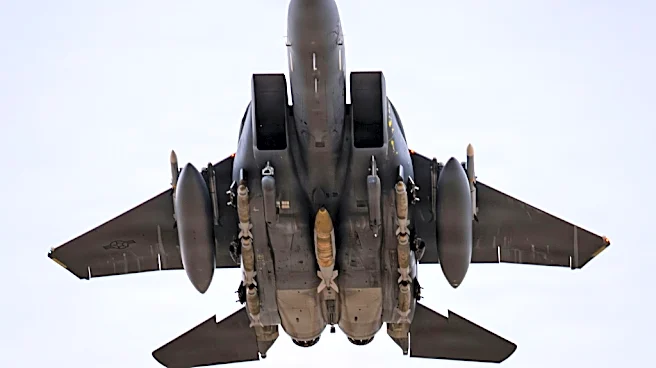
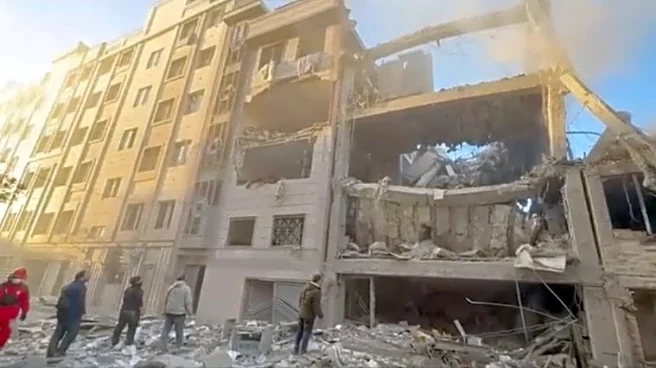
The International Energy Agency (IEA), International Monetary Fund (IMF), and World Bank have announced a coordinated effort to address the economic and energy impacts of the ongoing war in the Middle East. This conflict, which began with U.S. and Israeli
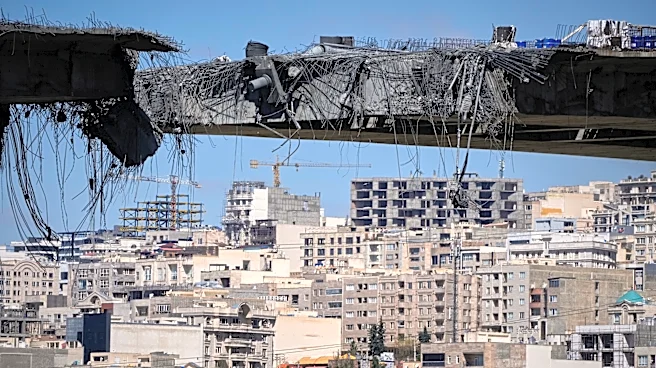
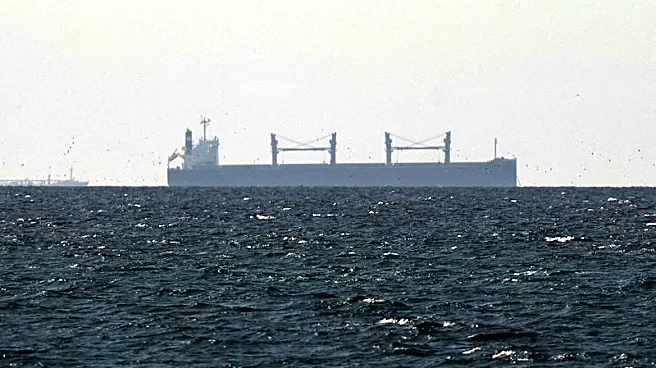
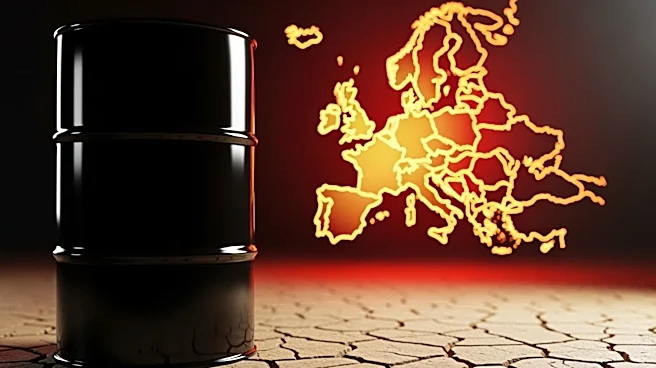
strikes on Iran, has led to significant disruptions in the region, affecting global energy supplies and causing one of the largest supply shortages in history. The coordination group formed by these institutions aims to assess the severity of the impacts, coordinate a response mechanism, and mobilize support for affected countries. The response may include policy advice, financial support, and risk mitigation tools. The war has already resulted in increased prices for oil, gas, and fertilizers, and has disrupted global supply chains for various commodities.
Why It's Important?
The coordination between the IEA, IMF, and World Bank is crucial as the war's impact extends beyond the Middle East, affecting global economic stability. The rise in energy prices and supply chain disruptions could lead to inflationary pressures worldwide, particularly impacting low-income countries that are energy importers. The potential tightening of monetary policies in response to inflation could slow down global economic growth. By working together, these institutions aim to safeguard economic stability, strengthen energy security, and support recovery efforts in affected regions. This collaboration highlights the interconnectedness of global economies and the need for a unified response to geopolitical crises.
What's Next?
The newly formed coordination group will continue to monitor the situation and provide targeted support to countries in need. As the conflict persists, the group will likely focus on mitigating the economic fallout and ensuring that financial and policy support is effectively delivered. The ongoing volatility in energy markets and potential for further disruptions will require continuous assessment and adaptation of strategies by the IEA, IMF, and World Bank. Stakeholders, including governments and businesses, will need to prepare for potential long-term shifts in energy supply and pricing.