


What's Happening?
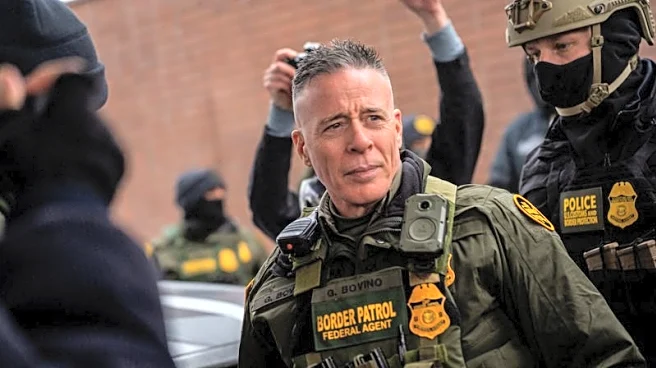
Ashleigh Brown, a 38-year-old resident of Aurora, Colorado, was convicted by a federal jury for stalking an Immigration and Customs Enforcement (ICE) agent. Brown, along with another woman, followed the agent from his office to his home in California
and livestreamed the confrontation. The incident highlights tensions surrounding immigration enforcement and the actions of individuals opposing ICE operations. The conviction underscores the legal boundaries of protest and the protection of law enforcement personnel.
Why It's Important?
This case illustrates the contentious atmosphere surrounding immigration enforcement in the U.S. and the lengths to which some individuals will go to protest ICE activities. It raises questions about the balance between free speech and harassment, particularly in the context of law enforcement. The conviction serves as a warning to those who might consider similar actions, emphasizing the legal consequences of crossing the line from protest to criminal behavior. It also highlights the challenges faced by ICE agents in carrying out their duties amid public scrutiny.
What's Next?
The legal proceedings may lead to further discussions on the rights of protesters versus the safety and privacy of law enforcement officers. The case could influence future legislation or policies regarding the protection of federal agents. It may also prompt ICE and other agencies to review their security protocols. Public reactions could vary, with some viewing the conviction as a necessary measure to protect law enforcement, while others may see it as a suppression of dissent.