







What's Happening?
Hapag-Lloyd CEO Rolf Habben Jansen has estimated that the ongoing Middle East crisis is costing the company between $50 million and $60 million per week. The crisis, stemming from geopolitical tensions in the region, has led to significant disruptions
in shipping operations, with approximately 1,000 ships stuck, including six from Hapag-Lloyd. The company is considering passing some of these costs onto customers. Despite a ceasefire agreement between the U.S. and Iran, the situation remains fluid, and the company is seeking further security assurances before resuming normal operations.
Why It's Important?
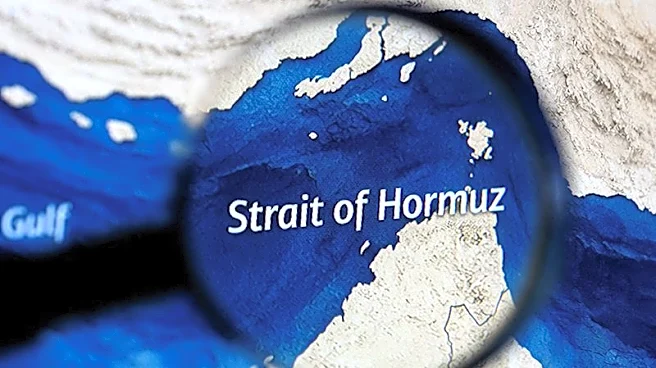
The financial impact of the Middle East crisis on Hapag-Lloyd highlights the broader economic consequences of geopolitical instability. The increased costs are likely to affect shipping rates, potentially leading to higher prices for goods transported through the region. This situation underscores the interconnectedness of global trade and the vulnerability of supply chains to regional conflicts. Businesses relying on shipping through the Strait of Hormuz may face increased costs and delays, affecting their operations and profitability.
What's Next?
Hapag-Lloyd will continue to assess the situation and may adjust shipping rates to account for the increased costs. The company is closely monitoring the ceasefire and will make decisions about resuming operations based on the stability of the agreement. Other shipping companies are likely to take similar steps, and the industry will be watching for any changes in the geopolitical landscape that could further impact shipping routes and costs.