




What's Happening?
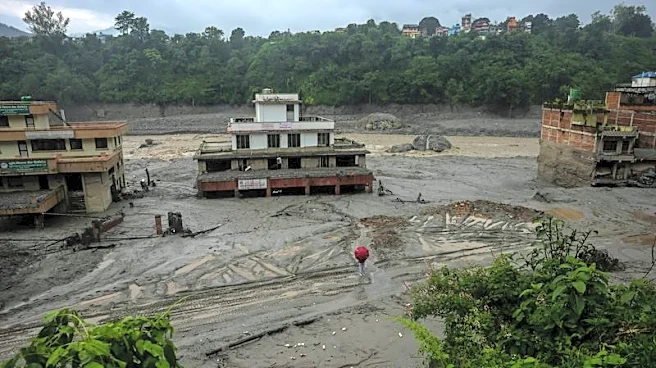
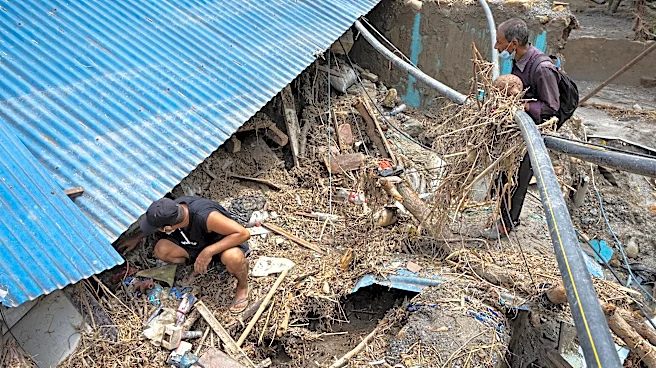
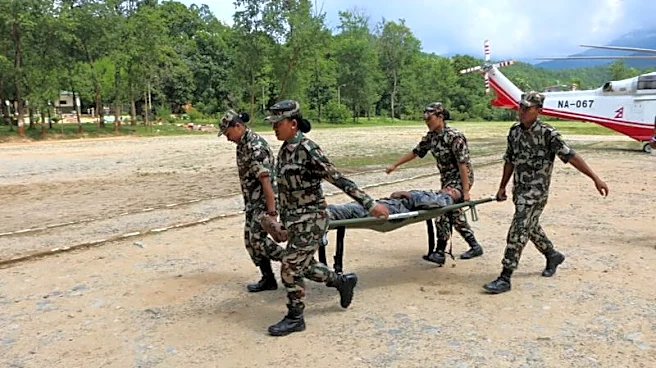
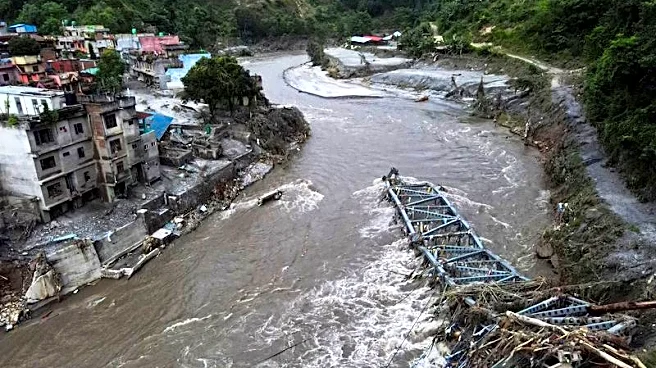
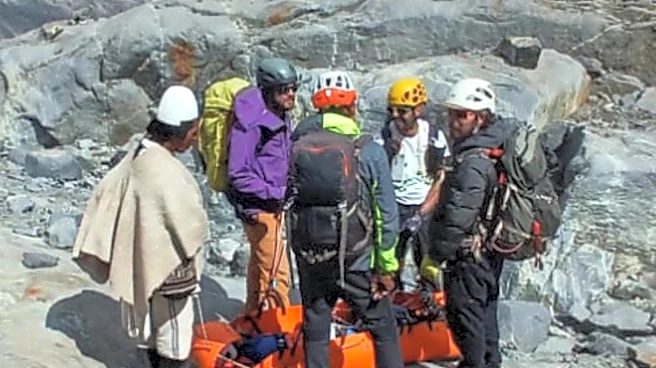
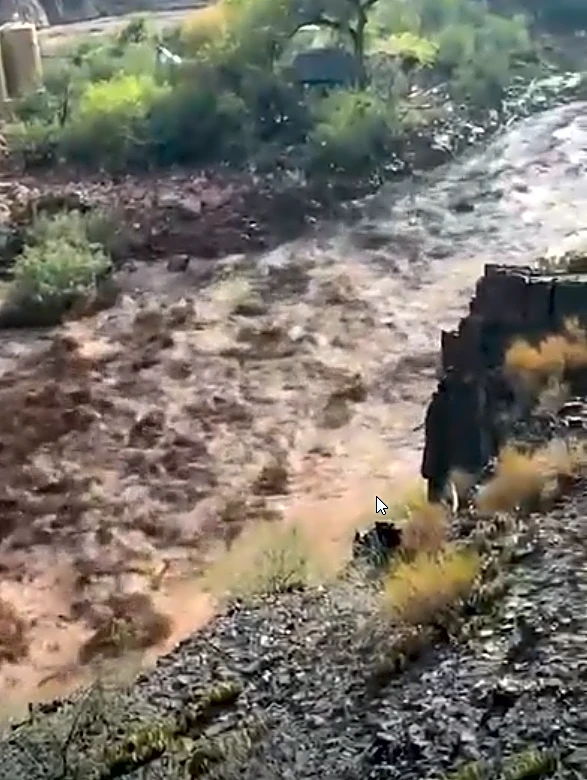
A specialist team comprising Everest veterans and highly trained mountain guides has joined rescue operations in Nepal's flood-affected Rasuwa region. This team entered a mud-choked hydropower tunnel at the Chilime project, pushing approximately 120 meters
inside before being halted by thick sludge and debris. The deployment leverages skills typically used in Himalayan expeditions, such as rope fixing, cliff access, helicopter longline operations, and movement through unstable terrain, which are crucial in areas where roads have been destroyed and conventional rescue methods are ineffective. Six individuals are believed to be trapped inside the Chilime tunnel, and around 300 workers are thought to be within the tunnel system of Upper Trishuli-1. The affected workforce includes Nepalese, Indian, Chinese, and South Korean nationals, with authorities working to reconcile project attendance records to determine the exact number of trapped or uncontactable individuals. The team recovered a camera bag during their search and concluded that pumps and excavation equipment are necessary to proceed deeper into the tunnel.
Why It's Important?
This specialized rescue effort highlights the critical need for advanced mountaineering and technical skills in disaster response, particularly in challenging geographical terrains like the Himalayas. The involvement of Everest veterans and certified mountain guides underscores the severity of the flooding and the limitations of standard rescue protocols in such environments. The incident also brings to light the international nature of the workforce in hydropower projects in Nepal, with nationals from multiple countries affected. This situation necessitates complex international coordination for rescue and recovery efforts, impacting diplomatic relations and humanitarian aid. The reliance on specialized personnel and equipment for tunnel rescues in flood-hit areas could influence future disaster preparedness strategies and resource allocation for similar infrastructure projects globally, emphasizing the importance of robust safety measures and emergency response plans for international workforces.
What's Next?
Rescue operations are expected to continue with the deployment of pumps and excavation equipment to clear the thick sludge and debris blocking further access into the Chilime hydropower tunnel. Authorities will persist in reconciling project attendance records and rescue lists to accurately determine the number of trapped individuals and their nationalities. This ongoing effort will likely involve continued collaboration between Nepalese authorities and international teams, given the diverse nationalities of the affected workers. The success of these specialized rescue techniques may lead to their broader adoption and integration into disaster response training for regions prone to similar natural calamities. Furthermore, there will be a focus on providing support and information to the families of the trapped workers, both domestically and internationally, as the rescue mission progresses.
Beyond the Headlines
The incident in Rasuwa transcends a typical rescue operation, revealing deeper implications regarding the safety standards and emergency preparedness in large-scale infrastructure projects, especially those employing international workforces in high-risk environments. The reliance on highly specialized mountaineering skills for urban-industrial rescue highlights a potential gap in conventional disaster response, suggesting a need for cross-disciplinary training and resource integration. Ethically, the situation raises questions about the responsibility of international companies and host nations to ensure the safety and well-being of foreign workers in hazardous conditions. The long-term shifts could include stricter international labor safety regulations, enhanced cross-border disaster response agreements, and a re-evaluation of risk assessments for infrastructure development in geologically unstable regions. This event could also spur technological advancements in remote sensing and excavation for tunnel rescues, influencing future engineering and safety protocols.