
What's Happening?
The U.S. federal government is experiencing a partial shutdown as Democrats and Republicans remain at odds over a bill to fund the Department of Homeland Security (DHS). Although a funding bill was previously
agreed upon by the House, Democrats are now pushing for reforms to DHS following the fatal shootings of two U.S. citizens in Minneapolis by federal agents. A 'minibus' funding deal was agreed upon by the Senate, covering multiple departments until September, but the government remains partially shut down as the House of Representatives, which was on recess, needs to approve the deal. Speaker of the House Mike Johnson expressed confidence that the issue would be resolved by Tuesday, but some House Democrats have indicated they will not support the measure without a full debate.
Why It's Important?
The partial shutdown affects several large federal agencies, halting some services and leaving workers either furloughed or working without pay. Agencies impacted include the Departments of Defense, Education, Health and Human Services, and others. While the shutdown is expected to be brief, its continuation could disrupt government operations and delay services. The situation underscores the ongoing political tensions in Congress, particularly regarding immigration enforcement and DHS operations. The outcome of this funding dispute could influence future legislative negotiations and set precedents for how similar conflicts are managed.
What's Next?
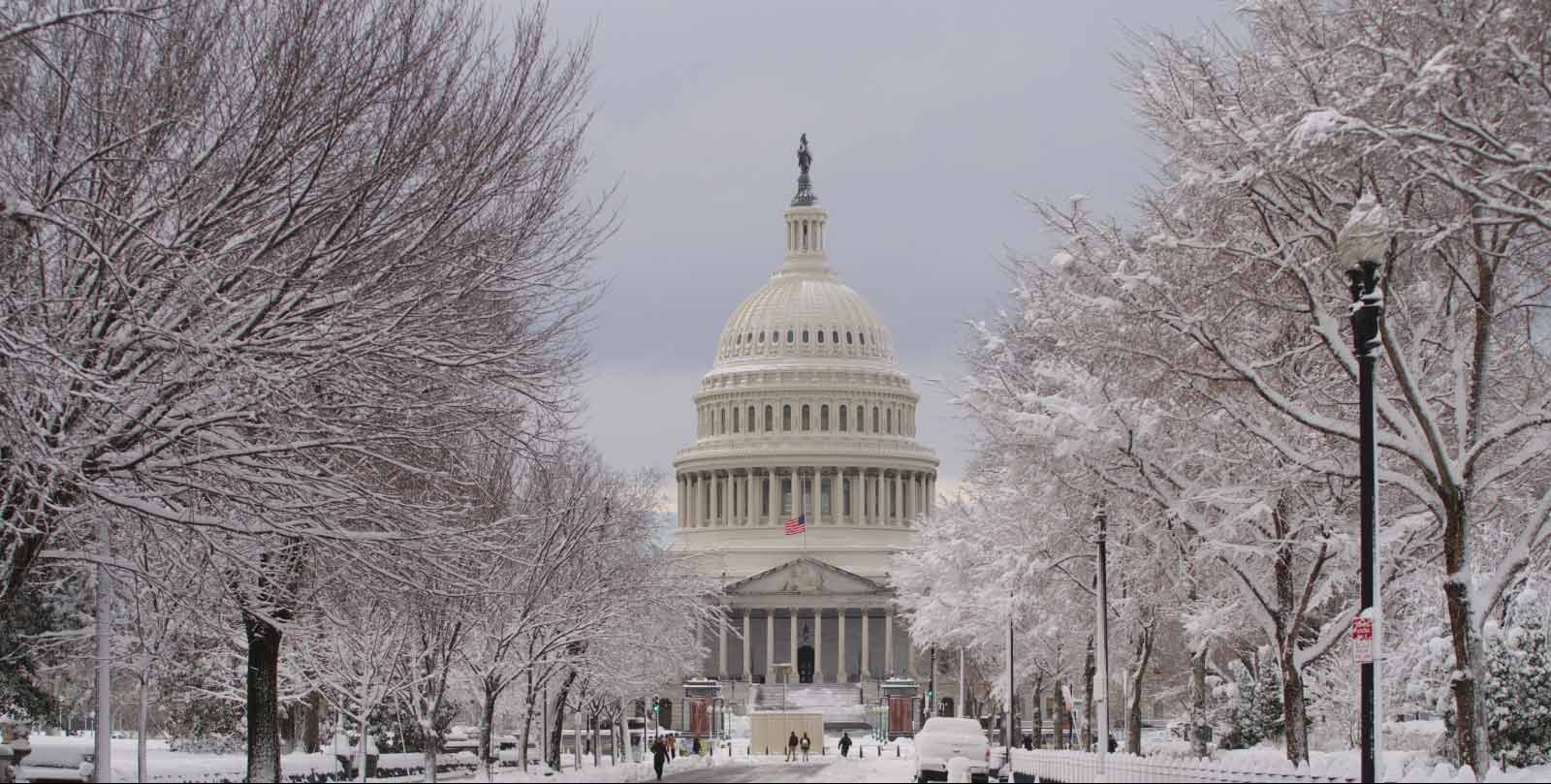
Once the House approves the funding deal, Democrats are expected to continue negotiating for reforms to DHS and ICE. Senate Minority Leader Chuck Schumer has proposed changes to ICE operations, including coordination with local law enforcement and the use of body cameras. The ongoing severe weather is delaying the return of House members to Washington, potentially postponing a vote until Tuesday. The resolution of this shutdown will depend on the ability of House Republicans to secure enough votes, given their slim majority.