






What's Happening?
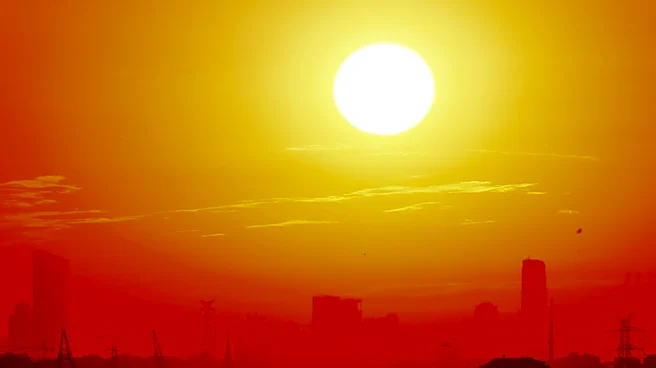
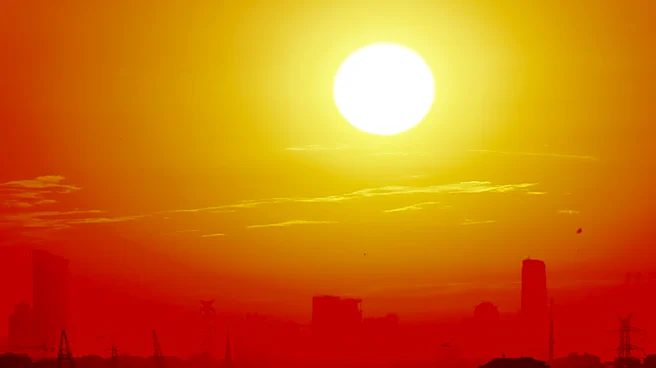
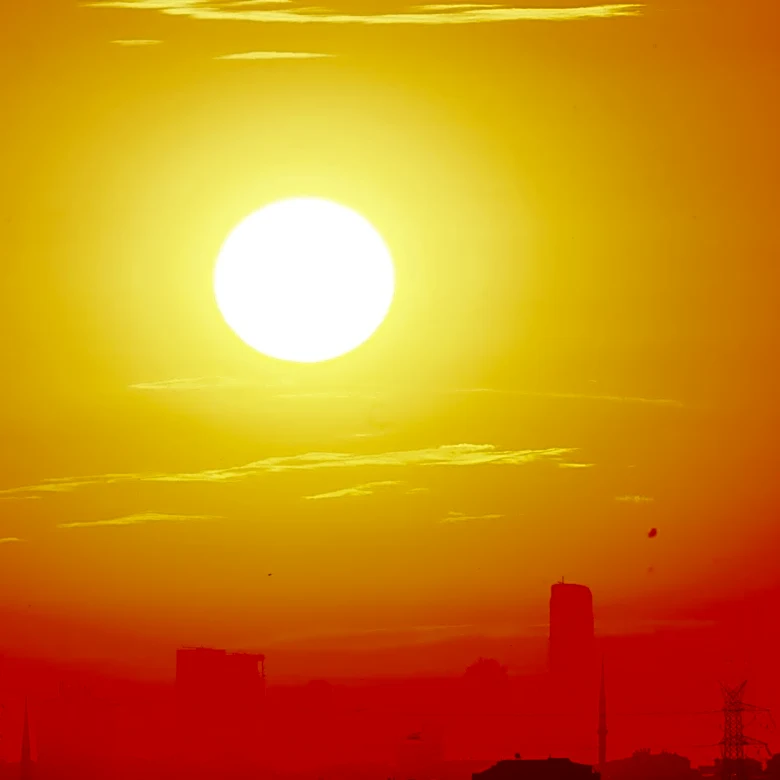
Millions of Americans across the Midwest, Northeast, and South are under extreme heat alerts as a prolonged heat wave grips the country ahead of the July 4 holiday weekend. The National Weather Service (NWS) has warned that heat index values could reach
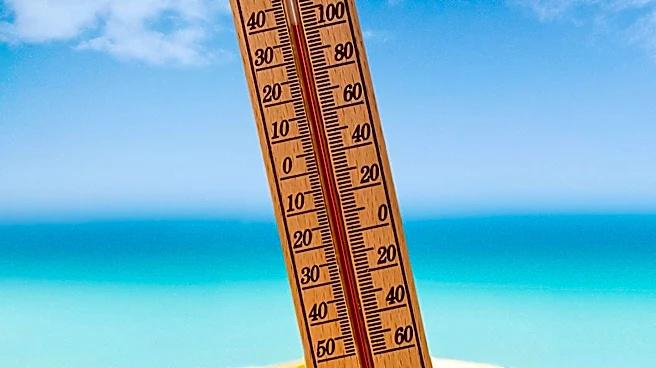
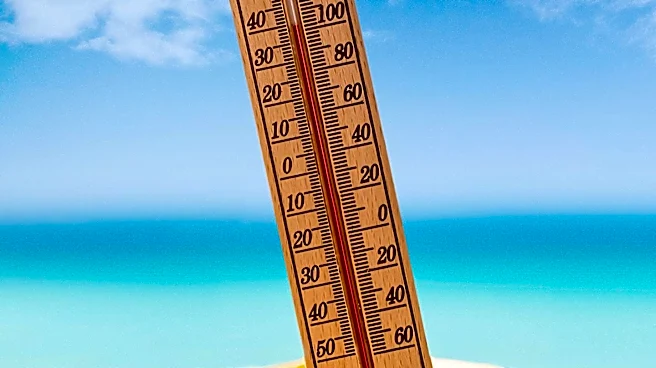
as high as 115 degrees in some areas, with the most severe conditions expected in parts of the Northeast, Midwest, and lower Mississippi Valley. Major cities such as New York City, Philadelphia, Boston, and Hartford are under heat alerts, with officials warning that the conditions could be life-threatening for those without access to adequate cooling. The NWS has emphasized that unusually warm overnight temperatures will provide little relief, with lows remaining in the 70s and even low 80s in some locations. This lack of nighttime cooling is expected to increase the risk of heat-related illnesses, particularly among older adults, young children, and people with chronic health conditions.
Why It's Important?
The extreme heat poses significant health risks, particularly for vulnerable populations such as the elderly, children, and those with pre-existing health conditions. The prolonged heat wave could also strain power grids, transportation networks, and water systems, leading to potential service disruptions. The situation underscores the importance of preparedness and the need for communities to have access to cooling centers and other resources to mitigate the impact of extreme weather. Additionally, the heat wave highlights the broader issue of climate change and its role in increasing the frequency and intensity of such weather events, prompting discussions on the need for sustainable solutions and infrastructure improvements.
What's Next?
As the heat wave continues, officials are urging residents to take precautions, such as staying hydrated, limiting outdoor activities during peak heat hours, and checking on vulnerable neighbors. The NWS will continue to monitor the situation and provide updates as necessary. Public health officials may also increase outreach efforts to ensure that communities are aware of available resources and safety tips. The ongoing heat wave could prompt further discussions among policymakers and environmental groups about the need for climate resilience and adaptation strategies to better prepare for future extreme weather events.