






What's Happening?
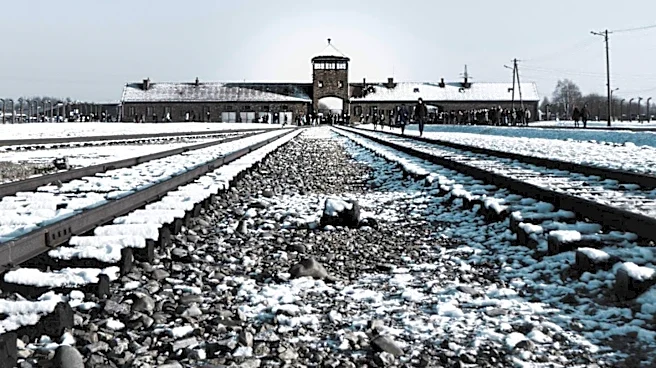
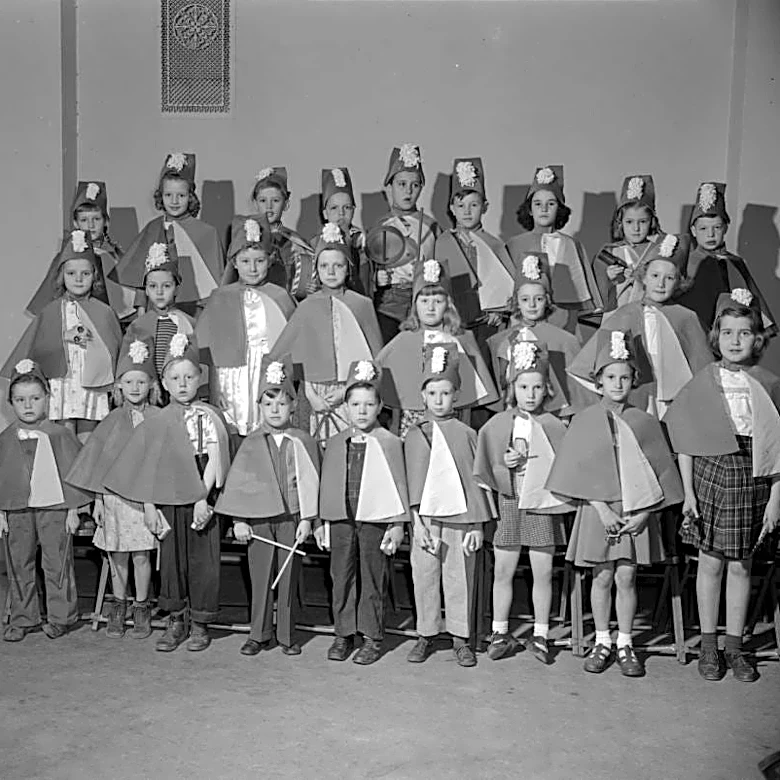
An oral history project initiated by former schoolteacher Matthew Rozell has brought to light previously little-known stories from World War II, including the liberation of 2,500 Holocaust survivors from a 'death train' in April 1945 by American troops.
The project, which involves interviewing World War II veterans, has been instrumental in preserving these critical historical accounts. Correspondent Seth Doane discussed these findings with Rozell, author of 'A Train Near Magdeburg,' historian James Bulgin, and filmmaker Mike Edwards. Their conversation emphasized the importance of documenting and preserving the memories of WWII veterans to ensure that these significant historical events are not forgotten by society. The project highlights the profound impact of individual stories in understanding the broader context of the war and the Holocaust.
Why It's Important?
The uncovering of this Holocaust survival story through an oral history project underscores the critical importance of preserving firsthand accounts from historical events. As the generation of World War II veterans diminishes, their testimonies become increasingly invaluable for understanding the human impact of conflict and atrocity. Such projects provide unique insights that official records may not capture, offering personal perspectives on resilience, suffering, and heroism. For society, learning these stories is essential for historical education, fostering empathy, and preventing future atrocities. The liberation of 2,500 Holocaust survivors from a 'death train' by American troops is a powerful narrative that highlights the role of Allied forces in ending the Holocaust and the immense human cost of the war. These narratives serve as a stark reminder of the past and a call to remember the lessons learned.
What's Next?
The ongoing efforts by Matthew Rozell and others to collect and disseminate these oral histories will likely continue to bring more untold stories to light. The collaboration between authors, historians, and filmmakers, as highlighted by the CBS News report, suggests a growing momentum in utilizing various media to reach wider audiences. Future initiatives may involve digitizing these oral histories, creating educational curricula, and developing documentaries or interactive exhibits to ensure these stories are accessible to younger generations. The focus will remain on the imperative of remembrance and education, ensuring that the experiences of Holocaust survivors and WWII veterans are integrated into public consciousness. This continued work is vital for historical accuracy and for reinforcing the importance of human rights and dignity.
Beyond the Headlines
The significance of projects like Rozell's extends beyond mere historical documentation; they play a crucial role in combating historical revisionism and Holocaust denial. By providing direct, personal testimonies, these oral histories offer irrefutable evidence of the atrocities committed during World War II. They also serve as a powerful tool for intergenerational dialogue, connecting contemporary society with the lived experiences of those who endured unimaginable suffering. The act of listening to and preserving these stories fosters a deeper understanding of human resilience and the enduring impact of trauma. Furthermore, these narratives often reveal the moral complexities and ethical dilemmas faced by individuals during wartime, prompting reflection on human nature and societal responsibility. The ongoing effort to uncover and share these stories is a testament to the enduring power of memory and its role in shaping a more just and compassionate future.