






What's Happening?
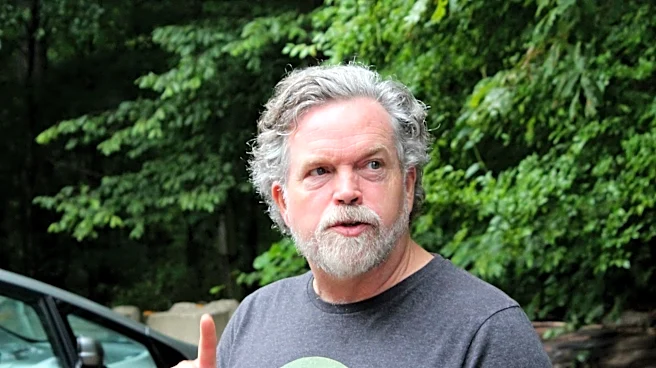
Peter Moyle, a Distinguished Professor Emeritus at the University of California, Davis, and Associate Director of the Center for Watershed Sciences, has contributed to a blog series focusing on resilient native fishes in California. The series highlights
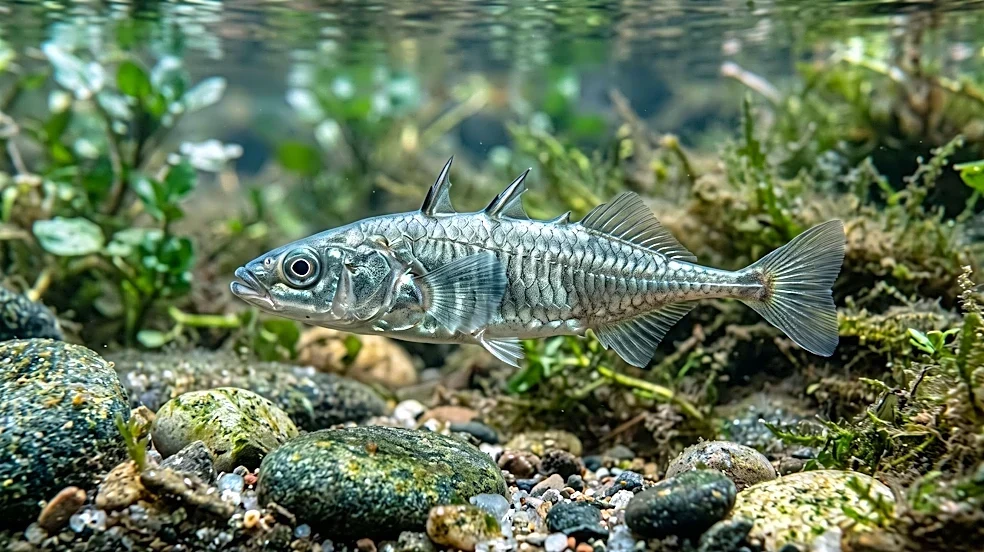
species that maintain large and sustainable populations despite significant alterations to California waterways. Moyle, along with Tom Taylor, is exploring why certain native fishes exhibit such resilience. The current installment of the series discusses the Threespine Stickleback, a small but significant fish found in various aquatic environments along the Pacific Coast, including California. The research delves into the stickleback's wide distribution, its ability to adapt to both fresh and saltwater, and its distinct life histories, including freshwater resident and anadromous forms. The blog post also details the stickleback's breeding behaviors and the impact of predation on its physical characteristics, such as armor plating and spine size.
Why It's Important?
This research is important for understanding the ecological health and biodiversity of California's aquatic ecosystems. The Threespine Stickleback, often considered a 'superspecies' due to its genetic diversity and adaptability, serves as a crucial indicator of habitat quality. Its resilience in the face of environmental changes, including urbanization and pollution, offers valuable insights for conservation efforts. The study of these fish can inform strategies for managing and restoring altered habitats, particularly for endangered forms like the Unarmored Threespine Stickleback. By identifying the factors that contribute to the stickleback's ability to thrive, scientists and policymakers can develop more effective approaches to protect other vulnerable native fish species and maintain the overall ecological balance of California's waterways. The findings also underscore the importance of continuous monitoring and research to adapt to ongoing environmental challenges.
What's Next?
The ongoing blog series will likely continue to explore other resilient native fish species in California, building upon the insights gained from the Threespine Stickleback. Future research may focus on applying the understanding of these species' resilience to broader conservation initiatives. This could involve developing new habitat restoration projects, refining existing management strategies for endangered fish populations, and advocating for policies that protect critical aquatic environments. The work of Peter Moyle and his colleagues will continue to contribute to the scientific community's knowledge base, potentially leading to further academic publications and collaborations. Additionally, the findings could influence public awareness campaigns aimed at fostering greater appreciation and protection of California's diverse aquatic fauna.
Beyond the Headlines
The study of resilient species like the Threespine Stickleback offers a deeper understanding of evolutionary biology and adaptation. The stickleback's rapid genetic divergence and ability to adapt to diverse habitats provide a living laboratory for observing natural selection in action. This research extends beyond immediate conservation concerns, offering insights into how species can persist and evolve in rapidly changing environments. The concept of a 'superspecies' and 'semispecies' within the stickleback population highlights the complexity of species classification and the dynamic nature of biodiversity. Furthermore, the historical context of the Unarmored Threespine Stickleback's endangered status and subsequent reintroduction efforts underscores the long-term commitment required for effective environmental stewardship and the potential for recovery even in highly impacted regions.