




What's Happening?
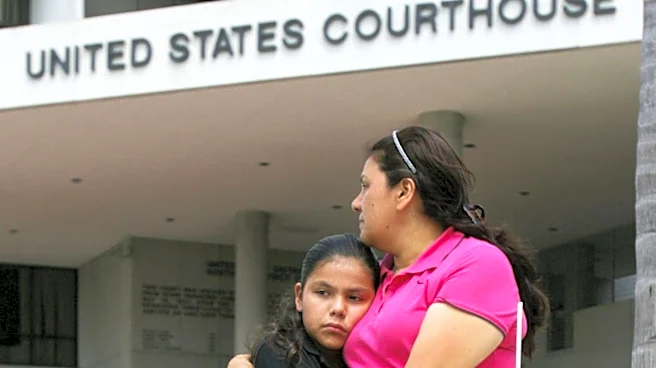
The families of three University of Arizona students—Sophia Troetel, Josiah Santos, and Katya Castillo-Mendoza—who died in a hit-and-run incident on October 30, 2025, are filing a civil lawsuit against the alleged driver, Louis Artal, and the City of Tucson.
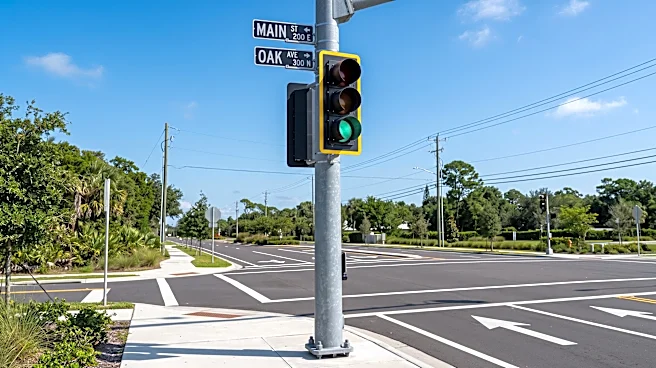
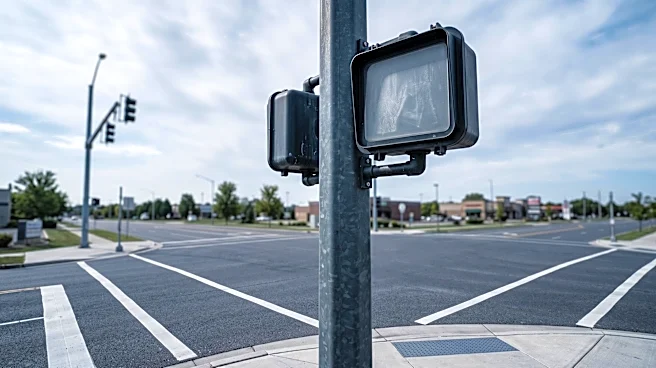
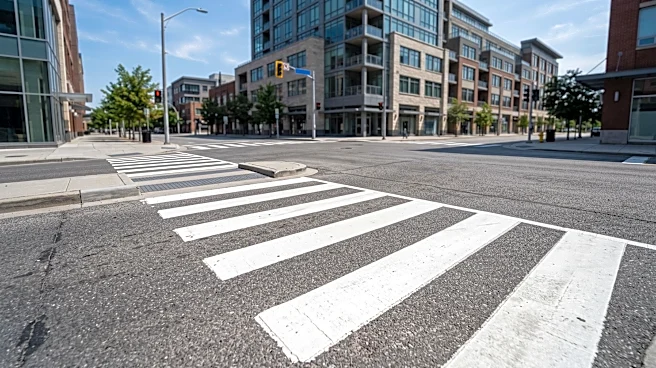
The students were struck while crossing Euclid and Second Street. Louis Artal, who was 19 and also a University of Arizona student at the time, faces criminal charges for hitting the students and leaving the scene. The civil lawsuit seeks monetary damages from Artal and also implicates the City of Tucson. The lawsuit alleges that the city was aware of the crosswalk's dangerous location, particularly its proximity to bars that could contribute to impaired driving. Furthermore, it claims the city received multiple warnings about the crosswalk's hazards and delayed the installation of warning lights intended to enhance pedestrian safety. The lawsuit does not specify a dollar amount but requests compensation for expenses related to the students' deaths, in addition to punitive damages.
Why It's Important?
This lawsuit highlights critical issues concerning urban planning, pedestrian safety, and municipal accountability in areas frequented by both students and the general public. The claim that the City of Tucson was aware of the crosswalk's dangers but failed to act promptly could set a precedent for how municipalities are held responsible for infrastructure safety, especially in high-risk zones like those near entertainment venues. For the University of Arizona community, the case underscores the ongoing need for improved safety measures around campus, potentially influencing future urban development and traffic management policies. The outcome could lead to stricter regulations for crosswalk design and maintenance in similar environments across the U.S., particularly in college towns where pedestrian traffic is high. It also brings to the forefront the legal and ethical responsibilities of drivers, especially young adults, in tragic incidents involving impaired driving and leaving the scene of an accident.
What's Next?
The civil lawsuit will proceed through the legal system, involving discovery, potential settlement negotiations, and possibly a trial. Louis Artal will continue to face criminal charges related to the hit-and-run incident, which will run concurrently but separately from the civil proceedings. The City of Tucson will likely mount a defense against the allegations of negligence, potentially presenting evidence of its own safety assessments or planned improvements. This case could prompt the City of Tucson to review and expedite pedestrian safety upgrades at other high-risk intersections, particularly those near the University of Arizona campus and other areas with significant foot traffic. The University of Arizona may also increase its advocacy for enhanced safety measures in the surrounding areas. The legal process will determine the extent of liability for both the driver and the city, and the final judgment could influence future urban planning decisions and legal precedents regarding municipal responsibility for public safety infrastructure.
Beyond the Headlines
This tragic incident and subsequent lawsuit delve into the broader societal challenge of balancing urban development with pedestrian safety, particularly in vibrant, mixed-use areas. It raises questions about the adequacy of current urban planning standards and the responsiveness of municipal governments to known hazards. The case could spark a wider conversation about the 'culture of safety' in college towns, where the presence of bars and high pedestrian traffic often intersect. Ethically, it challenges the responsibility of city planners to proactively mitigate risks rather than react to tragedies. Legally, the outcome could redefine the scope of municipal liability for infrastructure failures, potentially leading to more stringent requirements for risk assessment and timely intervention. Culturally, it serves as a somber reminder of the devastating consequences of impaired driving and the importance of community vigilance in advocating for safer public spaces, especially for vulnerable populations like students.