




What's Happening?
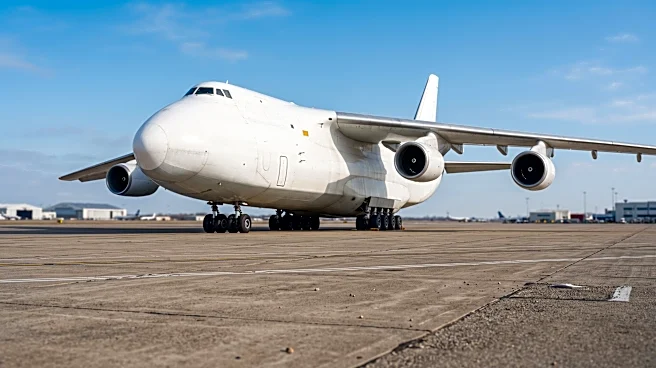
Turkish Cargo, the freight division of Turkish Airlines, has commenced its first scheduled cargo flight between Istanbul and Yerevan on November 15. This new commercial air link marks a significant step in the ongoing efforts to restore relations between Armenia
and Turkey, countries that have lacked formal diplomatic ties for decades. The flight followed the Istanbul-Yerevan-Istanbul route, establishing a regular freight service after more than 30 years of a closed land border. This development is part of a broader, gradual expansion of air travel and trade between the two nations. Historically, Turkey closed its land border with Armenia in April 1993 during the first Artsakh war, in support of Azerbaijan. While air connections for passengers resumed in May 1995, scheduled commercial freight operations have been absent until now. Although Armenia sent humanitarian aid to Turkey in 1999 via cargo aircraft, regular services were restricted for decades. Turkey lifted these restrictions in January 2023, but scheduled freight operations did not begin immediately. The latest cargo flight coincides with continued discussions between Ankara and Yerevan regarding the reopening of their shared land border.
Why It's Important?
This new scheduled cargo route holds significant importance for both Armenia and Turkey, particularly for Armenia, a landlocked country with closed borders to its west and east. Direct freight connections with Turkey could provide Armenian businesses with crucial additional options for transporting goods, potentially reducing logistical costs and transit times. For Turkey, it represents a step towards normalizing relations with a neighboring country, which could foster regional stability and economic cooperation. The resumption of direct commercial freight services signals a tangible outcome of the ongoing normalization talks that began in 2022. While diplomatic relations remain absent, the establishment of such a commercial link can build trust and create economic interdependencies that may pave the way for further diplomatic breakthroughs. This move could also influence regional trade dynamics, offering new transit corridors and potentially impacting existing trade routes.
What's Next?
The initiation of scheduled cargo flights is expected to be followed by continued discussions between Armenia and Turkey regarding the full reopening of their shared land border. Both countries had previously signed agreements in 2009 to establish diplomatic relations and reopen the border, though these were never implemented. A new round of negotiations commenced in 2022, leading to an agreement to open the land border for third-country nationals and diplomatic passport holders, arrangements that have yet to take effect. Turkish Transport and Infrastructure Minister Abdulkadir Uraloğlu stated on November 10 that preparations for reopening road and railway crossings with Armenia are complete, but indicated that the actual reopening depends on progress toward a comprehensive agreement between Armenia and Azerbaijan. Therefore, the next steps will likely involve further diplomatic engagements and monitoring the broader regional political landscape, particularly the Armenia-Azerbaijan peace process, which appears to be a prerequisite for full border normalization.
Beyond the Headlines
The establishment of this cargo route transcends mere economic benefits; it carries significant symbolic weight in the complex geopolitical landscape of the South Caucasus. For decades, the closed border has been a stark symbol of historical grievances and ongoing political tensions. The re-establishment of direct commercial links, even if limited to air cargo, represents a pragmatic step towards de-escalation and potential reconciliation. It suggests a willingness from both sides to prioritize economic and logistical benefits, which could gradually erode long-standing animosities. This development could also set a precedent for other frozen conflicts in the region, demonstrating that economic cooperation can precede full diplomatic normalization. Furthermore, it highlights the evolving nature of regional power dynamics, where economic integration is increasingly seen as a tool for fostering stability and mitigating historical disputes, even in the absence of formal political resolutions.