
What's Happening?
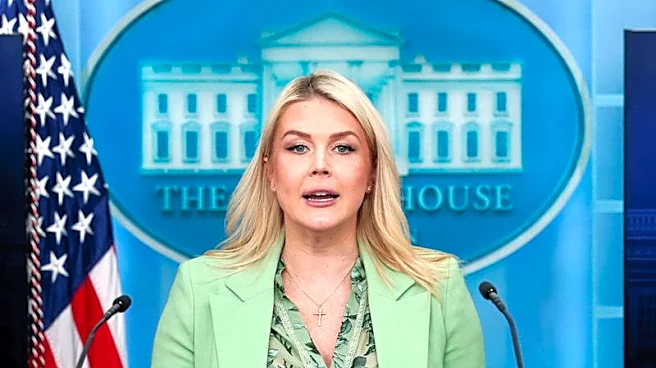
President Trump has announced that Israel will begin a 10-day ceasefire in its conflict with Hezbollah in Lebanon. This truce comes amid ongoing tensions between the U.S. and Iran, with a separate two-week
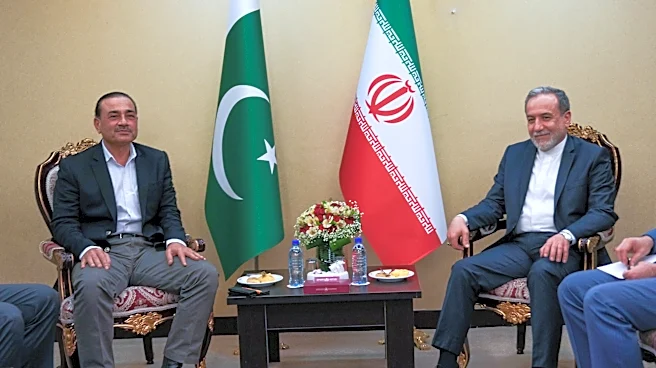
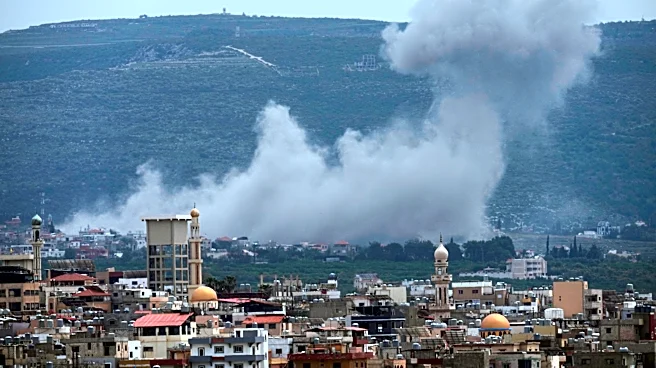
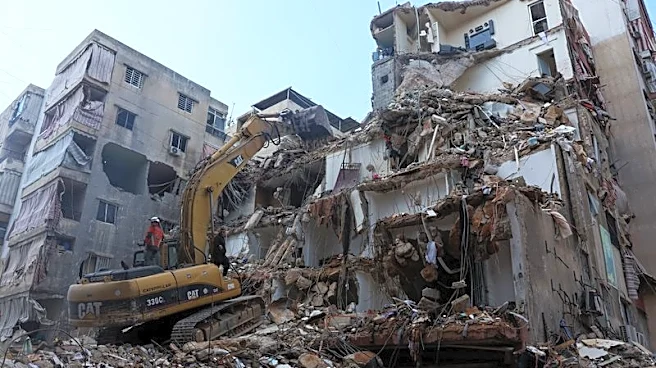
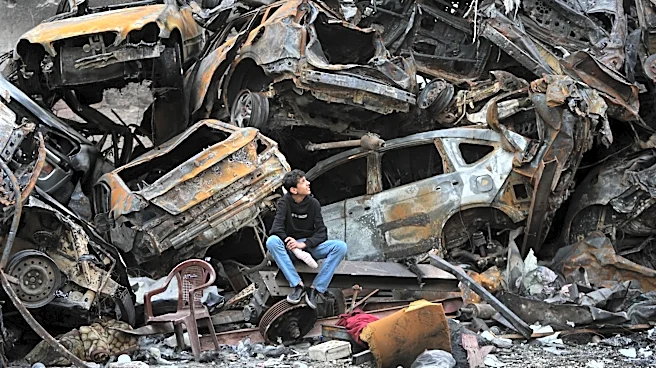
ceasefire currently in effect. The ceasefire is set to start at 5 p.m. Eastern time, following discussions between Trump, Lebanese President Joseph Aoun, and Israeli Prime Minister Bibi Netanyahu. The ceasefire aims to pause hostilities that have resulted in significant casualties and displacement in Lebanon. Meanwhile, Pakistan's army chief is mediating U.S.-Iran negotiations, with Iran demanding an end to Israeli attacks on Hezbollah as part of any permanent agreement.
Why It's Important?
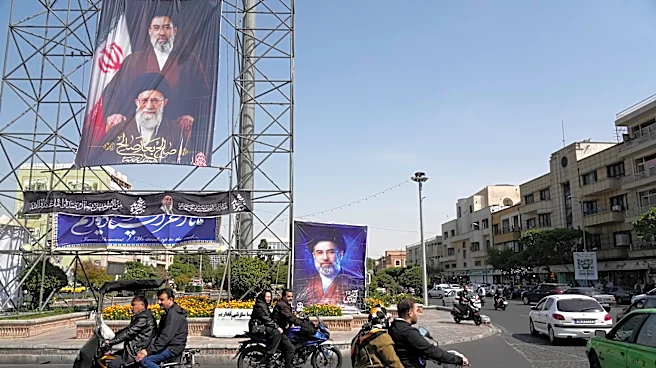
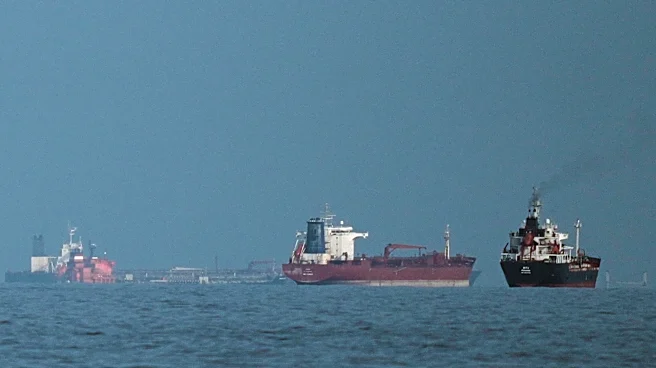
The ceasefire represents a critical step towards de-escalating the conflict in Lebanon, which has seen over 2,100 Lebanese casualties and significant displacement. It also highlights the complex geopolitical dynamics in the region, with Iran's military threatening to block key shipping routes in retaliation for the U.S. blockade of the Strait of Hormuz. The ceasefire could pave the way for further diplomatic engagements, potentially involving peace talks at the White House. However, Iran's demands, including the release of frozen assets and guarantees around its nuclear program, remain contentious issues in negotiations.
What's Next?
The ceasefire may lead to renewed diplomatic efforts, with potential peace talks involving Israeli and Lebanese leaders at the White House. The outcome of U.S.-Iran negotiations, mediated by Pakistan, will be crucial in determining the future of regional stability. Iran's threats to block shipping routes could escalate tensions, impacting global trade and energy markets. The ceasefire's success will depend on the willingness of involved parties to address underlying issues, including Iran's nuclear ambitions and regional security concerns.
Beyond the Headlines
The ceasefire underscores the importance of diplomatic mediation in resolving complex conflicts. Pakistan's role as a mediator highlights the potential for non-Western countries to influence regional peace efforts. The situation also raises questions about the effectiveness of military interventions in achieving long-term stability, emphasizing the need for comprehensive diplomatic solutions.