



What's Happening?
Montana State University (MSU) has been awarded a $3 million grant from NASA to spearhead a national project focused on studying wildfire smoke and other atmospheric pollutants. The initiative, known as the Aerial Science, Collaboration, and Education
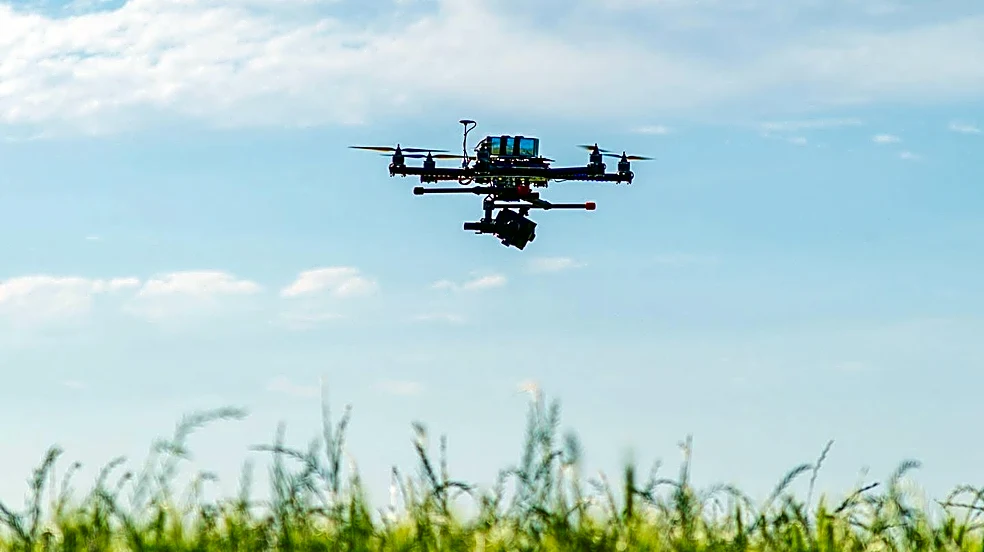
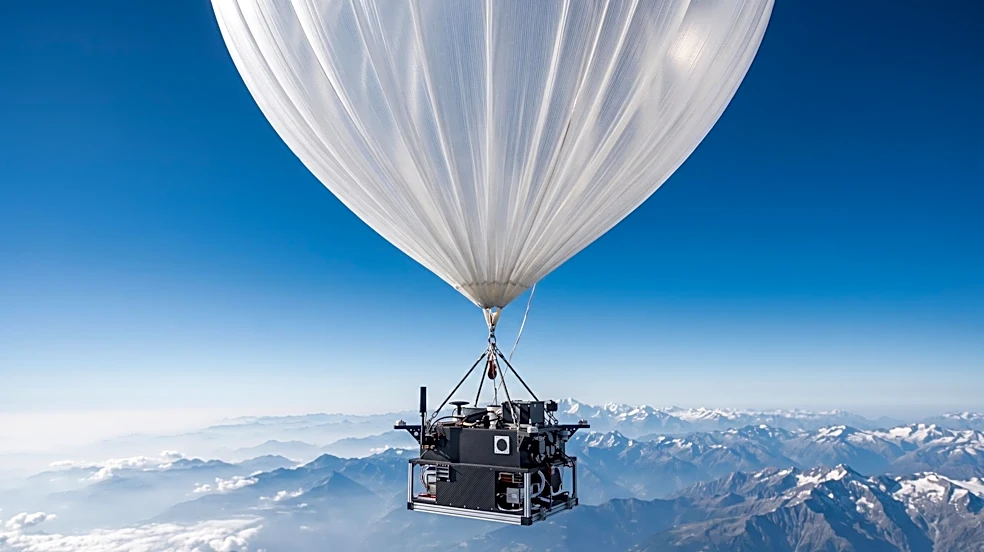
Network for Discovery (ASCEND) project, will involve 40 undergraduate teams from community colleges and universities across the United States. These teams will utilize high-altitude balloons and drones, equipped with technology developed in MSU’s Balloon Outreach, Research, Exploration and Landscape Imaging System (BOREALIS) lab, to collect air quality measurements. The project aims to understand how pollutants are distributed at various altitudes, from ground level up to approximately 100,000 feet, providing crucial data for air quality research.
Why It's Important?
This NASA grant is significant for advancing environmental science and education, particularly in regions prone to wildfires like Montana. Wildfire smoke poses a growing public health concern, and understanding its distribution at different atmospheric levels is critical for accurate forecasting and mitigation strategies. The project's emphasis on undergraduate involvement from diverse institutions across the country fosters STEM education and provides hands-on research experience to a broad student population. The data collected will complement NASA’s Tropospheric Emissions: Monitoring of Pollution (TEMPO) mission, enhancing the understanding of air pollution dynamics over North America. This collaborative effort underscores the importance of interdisciplinary research and national partnerships in addressing complex environmental challenges.
What's Next?
The ASCEND project will begin inviting proposals from community colleges and universities in January 2027, with 40 student teams selected and trained that year. These teams will receive hardware designed and built at MSU’s BOREALIS lab. In 2028, the teams will conduct four coordinated measurement campaigns, one in each season, across participating locations. The collected data will be uploaded to a shared website, allowing researchers to analyze comprehensive air quality information from across the country. Two NASA subject matter experts will provide ongoing support and expertise. This phased approach ensures a systematic collection of data and broad educational outreach, with the ultimate goal of improving understanding and management of atmospheric pollutants.
Beyond the Headlines
The ASCEND project extends beyond immediate scientific data collection, fostering a new generation of scientists and engineers equipped to tackle environmental issues. By engaging undergraduate students from various backgrounds, it democratizes access to cutting-edge research and promotes a national network of scientific collaboration. The project's focus on wildfire smoke, a direct consequence of climate change, highlights the urgent need for innovative solutions and comprehensive data to inform policy and public health initiatives. Furthermore, the development of specialized drones and balloon technology at MSU showcases the potential for regional universities to contribute significantly to national scientific endeavors, reinforcing the idea that local innovation can have global impact in addressing critical environmental and societal challenges.