




What's Happening?
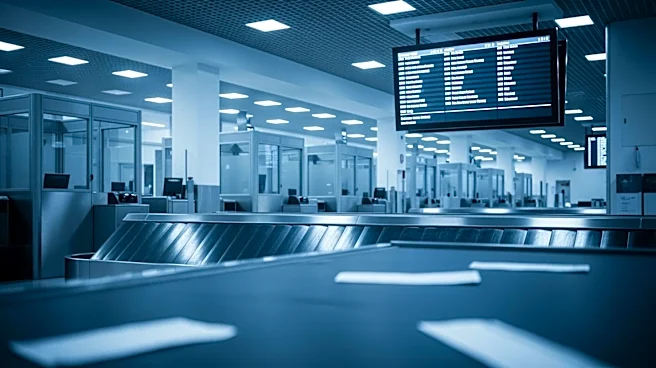
The Department of Homeland Security (DHS) is considering a proposal to reduce or withdraw customs processing staff from major U.S. airports located in sanctuary cities. This move, spearheaded by DHS Secretary Markwayne Mullin, targets jurisdictions that
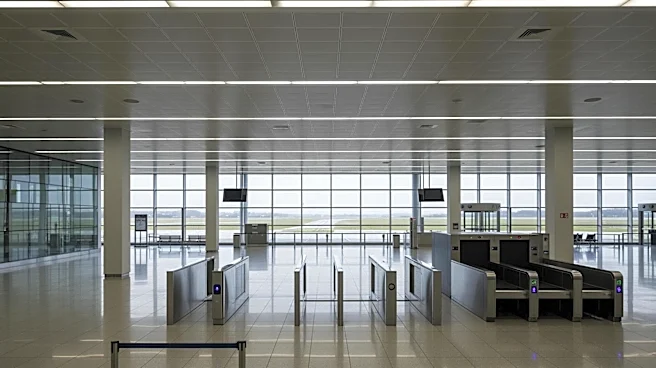
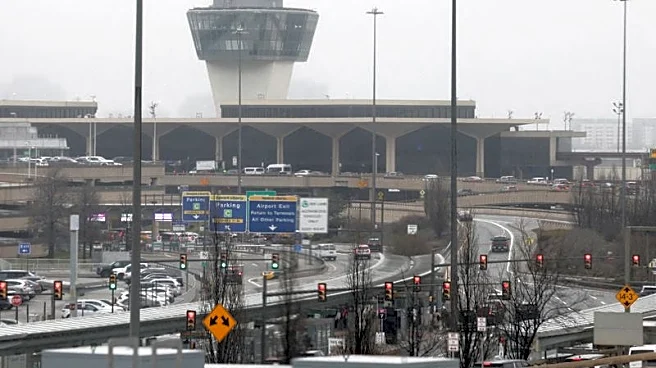
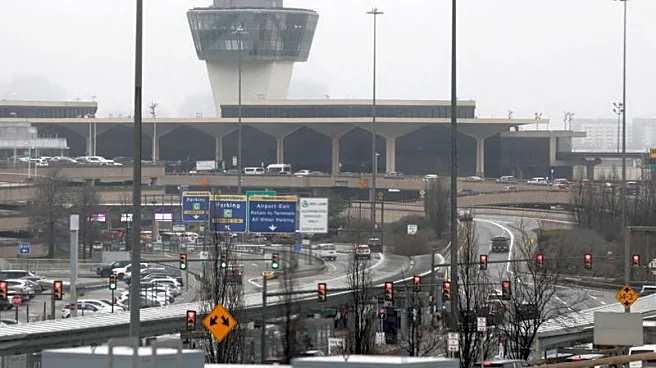
limit cooperation with federal immigration enforcement. Newark Liberty International Airport has been identified as an initial focus, with potential plans to redeploy customs officers to support immigration enforcement operations. The proposal has sparked warnings from airlines and industry groups about the potential for significant travel disruptions. These groups caution that even partial reductions in customs processing could lead to delays, cancellations, and widespread disruption across both U.S. and global flight networks, affecting millions of international passengers, U.S. travelers, airlines, and cargo shipments.
Why It's Important?
The proposal highlights a broader conflict between federal immigration policies and local jurisdictions that resist cooperation. Major international airports in sanctuary cities serve as critical hubs for global travel and trade. Any disruption in customs processing at these airports could have far-reaching effects, impacting not only local areas but also national and international travel and commerce. Industry groups, including Airlines for America and the U.S. Travel Association, have expressed concerns about the operational and economic consequences of such a move. They argue that changes at key gateway airports could ripple through the interconnected aviation network, affecting travelers, cargo shipments, and supply chains. The potential withdrawal of customs officers could also strain relations between federal authorities and local governments, further complicating immigration enforcement efforts.
What's Next?
Currently, the proposal remains under discussion, with no confirmed timeline for implementation. Transportation Secretary Sean Duffy has publicly opposed the idea, emphasizing that air travel should not be disrupted due to political disagreements. Industry leaders are urging DHS to reconsider, highlighting the uncertainty and potential economic impact of the proposal. As the U.S. prepares for an influx of international visitors for upcoming major events, the travel industry is closely monitoring developments. The White House has indicated that the proposal is still under consideration, but no final decision has been made. Stakeholders across the travel and aviation sectors are likely to continue lobbying against the proposal, emphasizing the need for stable and efficient customs processing at major international airports.