



What's Happening?
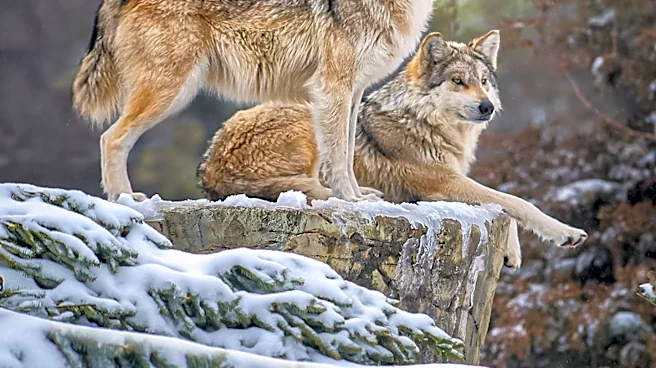
The New York Department of Environmental Conservation (DEC) has released its final State Wildlife Action Plan (SWAP), which notably excludes wolves, cougars, and Canada lynx from the Species of Greatest Conservation Need (SGCN) list. This decision comes
despite advocacy from organizations like Protect the Adirondacks, which argued for their inclusion due to confirmed presences in nearby states and suitable habitat within New York. The DEC justified the exclusion by stating a focus on resident species with existing populations at risk of decline. However, critics argue that adding these three species would not significantly impede conservation efforts for the 570 species already on the list. The final SWAP also reinstated the Common Loon to the SGCN list, a change that Protect the Adirondacks had urged after its removal in the draft version. Additionally, a recommendation for legislative authority to establish a moose hunting season, initially present in the draft, was removed from the final plan.
Why It's Important?
This decision by the New York DEC has significant implications for wildlife conservation and ecological balance within the state. The exclusion of large carnivores like wolves, cougars, and Canada lynx from the SGCN list means that dedicated conservation resources and management actions will not be allocated to these species. This could hinder their potential natural re-establishment in New York, despite scientific data suggesting suitable habitat and prey densities exist. The absence of these apex predators can lead to ecological imbalances, affecting prey populations and overall ecosystem health. Furthermore, New York's approach contrasts with neighboring Northeastern states like Maine, New Hampshire, and Vermont, which have included these species on their respective SGCN lists, making New York an outlier in regional conservation efforts. The reinstatement of the Common Loon, however, ensures continued protection for a species facing threats from shoreline development, boating activities, contaminants, and climate change, highlighting the ongoing challenges in managing diverse wildlife populations.
What's Next?
The final SWAP will guide New York's conservation priorities and goals for the next ten years. Stakeholders, including environmental groups like Protect the Adirondacks, are likely to continue advocating for the inclusion of large carnivores in future revisions or through other legislative and policy channels. The DEC's decision may prompt further scientific studies to assess the presence and potential re-establishment of these species within the state. Public awareness campaigns and educational initiatives regarding the ecological role of large carnivores could also intensify. The ongoing monitoring of the Common Loon population will be crucial to assess the effectiveness of conservation actions supported by its SGCN status. Future updates to the SWAP, which occur every ten years, will provide another opportunity for re-evaluation of species inclusion based on new data and evolving conservation perspectives.
Beyond the Headlines
The exclusion of large carnivores from New York's conservation plan touches upon deeper ethical and cultural dimensions of wildlife management. It reflects a broader societal debate about the role of apex predators in modern landscapes and the extent to which human activity should facilitate or impede their return. The DEC's rationale, focusing on currently resident and at-risk species, highlights a pragmatic approach to resource allocation, but it also raises questions about proactive conservation for species that could naturally recolonize. This decision could perpetuate a perception that New York is not conducive to the return of these iconic species, potentially influencing public attitudes and land use decisions. The contrast with neighboring states also underscores the fragmented nature of wildlife conservation across state lines, where ecological processes often transcend political boundaries. Ultimately, the long-term ecological health of New York's ecosystems may depend on a more holistic approach that considers the potential benefits of reintroducing or supporting the natural return of these keystone species.