


What's Happening?
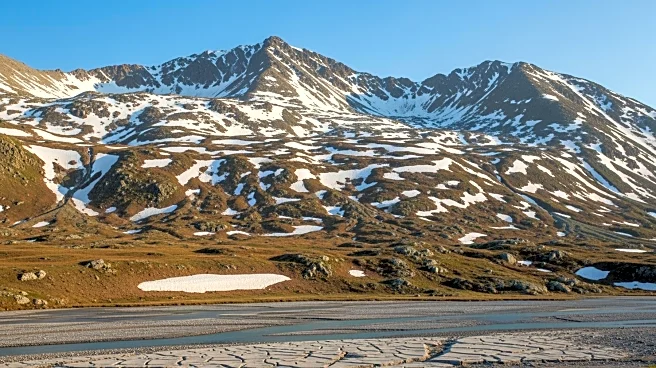
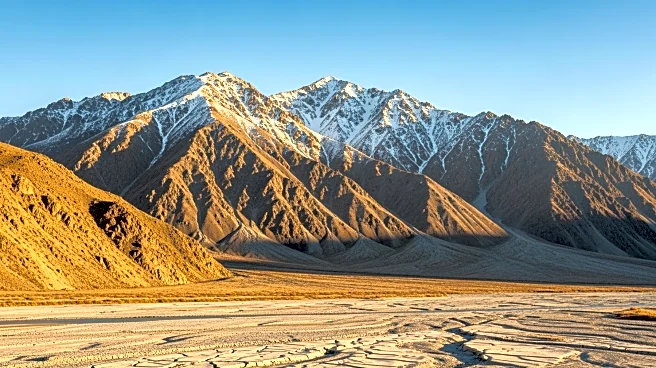
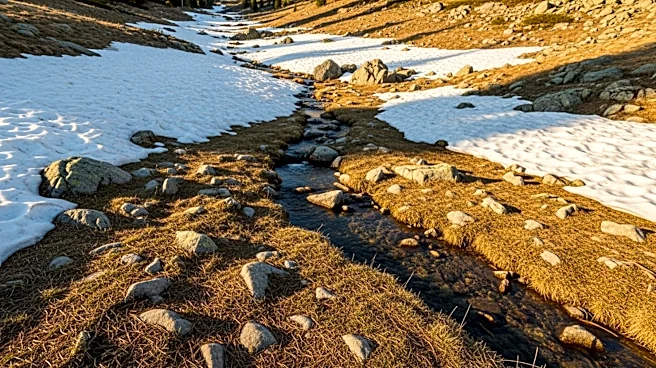
The American West is experiencing an unprecedented rapid snow melt due to historically warm winter temperatures and a record-breaking heatwave in March. This has left the critical snowpack at record-low levels, with significant implications for water
supply and fire risks. According to climatologist Dr. Russ Schumacher, the snowpack is essential for water supply, acting as a 'water savings account.' However, the snow water equivalent (SWE) is exceptionally low, with California's Sierra Nevada at just 18% of average and the Colorado River headwaters at 24% of average. The rapid melt-off is expected to decimate the water year 2025-26 snowpack across nearly all of the American West, exacerbating drought conditions and increasing tensions over water resource management.
Why It's Important?
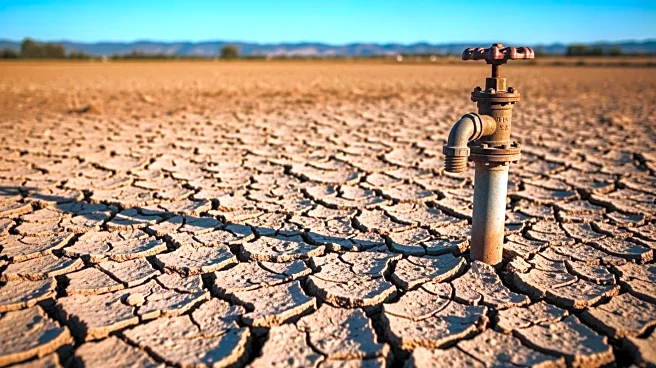
The rapid snow melt in the American West is significant due to its potential impact on water supply, agriculture, and fire risks. The Colorado River, which supplies water to over 40 million people and supports agriculture and wildlife, is under increased pressure due to rising temperatures and lower precipitation. The situation has heightened tensions among states over water resource management, with negotiations ongoing to determine how to manage the river's resources in a hotter and drier future. Additionally, the rapid melt-off could lead to an extended fire season, as landscapes become more prone to burning earlier in the year. This poses a threat to communities, agriculture, and ecosystems across the region.
What's Next?
As the snow continues to melt rapidly, municipalities in the American West are initiating early water restrictions to conserve resources. For example, Salt Lake City, Utah, is aiming to cut water usage by up to 10 million gallons. Local officials across Colorado and Wyoming are also implementing restrictions on lawn watering and outdoor irrigation. The situation is expected to lead to an extended fire season, with landscapes becoming more primed to burn. Experts emphasize the need for transformative action to adapt to and mitigate the effects of climate change, as the region faces a hotter and drier future.
Beyond the Headlines
The rapid snow melt in the American West highlights the broader implications of climate change, as extreme weather events become more frequent and severe. The situation underscores the need for comprehensive water management strategies and climate adaptation measures to address the challenges posed by a changing climate. The potential for increased fire risks and water shortages also raises ethical and social considerations, as communities must navigate the impacts on livelihoods, public safety, and environmental sustainability.