






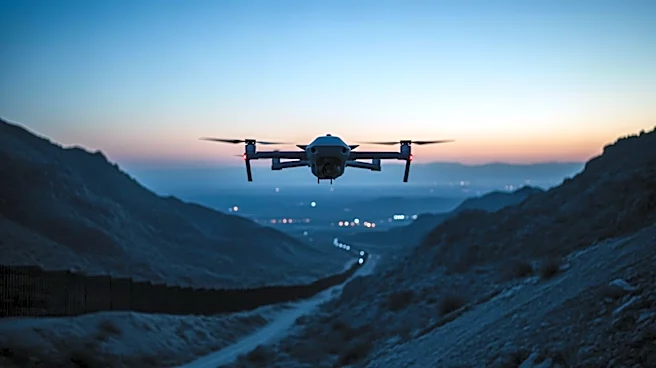
What's Happening?
Israel has implemented the Iron Drone Raider System in southern Lebanon to address the threat posed by Hezbollah's fiber-optic guided drones. These drones, which are relatively inexpensive and difficult to intercept, have been used by Hezbollah to target
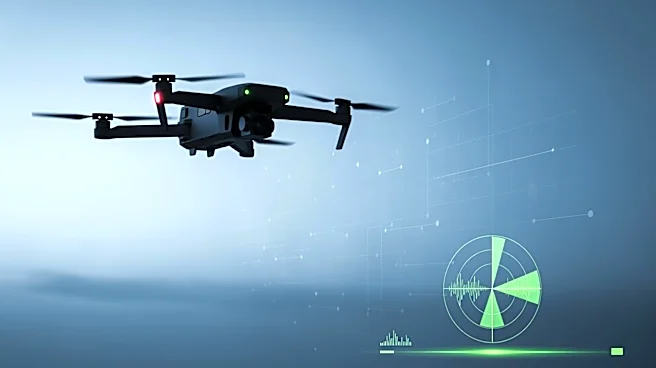
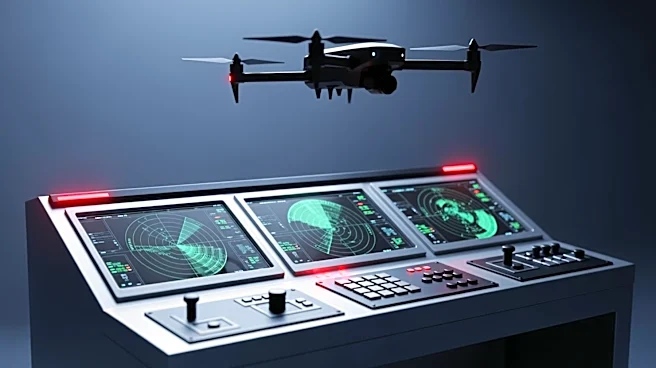
Israeli Defense Forces (IDF) and communities in northern Israel. The Iron Drone Raider System employs radar and interceptor drones that deploy nets to capture hostile drones. Despite its deployment, the system has not demonstrated significant success in previous tests. The ongoing challenge is part of a broader effort by Israel to find effective solutions to counter the increasing use of drones by Hezbollah, which has been integrating these drones into their operations since the start of the conflict.
Why It's Important?
The deployment of the Iron Drone Raider System highlights the evolving nature of modern warfare, where low-cost drones can pose significant threats to military forces. Hezbollah's use of fiber-optic guided drones allows them to conduct precise strikes at a low cost, creating a psychological and operational challenge for the IDF. This development underscores the need for advanced counter-drone technologies and strategies to maintain security and operational effectiveness. The situation also reflects broader geopolitical tensions in the region, with implications for Israel's national security and its military strategies against non-state actors like Hezbollah.
What's Next?
Israel is likely to continue its efforts to enhance its counter-drone capabilities, potentially leading to further technological developments and military strategies. The IDF may explore additional systems or tactics to improve the effectiveness of the Iron Drone Raider System. Meanwhile, Hezbollah's continued use of drones could prompt further military responses and strategic adjustments by Israel. The situation may also influence regional security dynamics, with potential impacts on international relations and defense policies.
Beyond the Headlines
The use of drones by Hezbollah represents a shift in the balance of power on the battlefield, challenging traditional military advantages. This development raises questions about the future of warfare and the role of technology in conflict. It also highlights the psychological impact of drone warfare, as the threat of drone attacks can affect civilian morale and military readiness. The situation may prompt discussions on the ethical and legal implications of drone use in conflict zones.