










What's Happening?
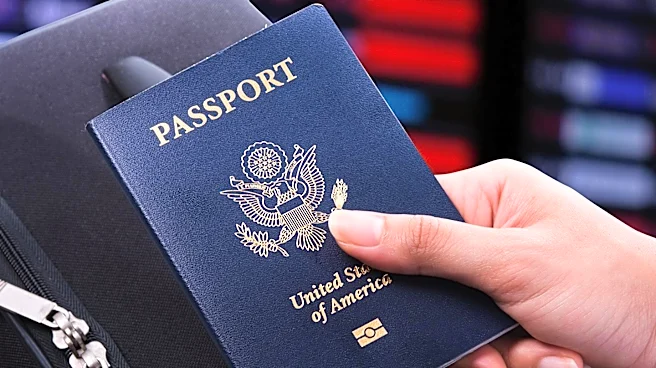
The U.S. Visa Waiver Program (VWP) permits citizens from participating countries to enter the United States for tourism or business for up to 90 days without a visa. To utilize this program, travelers must obtain an Electronic Travel Authorization (ESTA),
which is electronically linked to their passport. A critical requirement for ESTA authorization is possession of an electronic passport, which contains a chip storing biometric information for identity verification. This applies even to emergency or temporary passports used for VWP entry. Additionally, passports must be valid for at least six months beyond the intended stay, free from damage, and not reported lost. The Department of State, citing the Visa Waiver Program Improvement and Terrorist Travel Prevention Act of 2015, specifies that certain individuals are ineligible for ESTA and must apply for a traditional visa. This includes those with dual nationality from Cuba, the Democratic People’s Republic of Korea, Iran, Iraq, Sudan, or Syria. Furthermore, travelers who have visited or been present in Cuba since January 12, 2021, or in the Democratic People’s Republic of Korea, Iran, Iraq, Libya, Somalia, Sudan, Syria, or Yemen since March 1, 2011, are also excluded from ESTA eligibility.
Why It's Important?
This policy is crucial for U.S. national security and border control, as it aims to enhance the screening process for international travelers. By requiring electronic passports, the U.S. government can leverage biometric data to verify identities more effectively, reducing the risk of fraudulent entry and enhancing overall security measures. The exclusion of travelers with dual nationality from or recent travel to specific countries underscores the U.S.'s commitment to counter-terrorism and national security objectives. These restrictions are designed to prevent individuals from regions identified as state sponsors of terrorism or areas of significant security concern from easily entering the U.S. without more rigorous vetting. While facilitating legitimate travel for citizens of allied nations, these stringent requirements also reflect a balancing act between promoting tourism and business and safeguarding national interests. The policy impacts international travel patterns and requires affected individuals to undergo a more extensive visa application process, potentially influencing travel decisions and diplomatic relations with the listed countries.
What's Next?
Travelers planning to visit the United States under the Visa Waiver Program will need to ensure their passports meet the electronic and validity requirements. Those with dual nationality from or recent travel history to the specified countries will continue to be directed to apply for a traditional U.S. visa, which involves a more comprehensive application and interview process. The U.S. Department of State will likely continue to update its list of VWP-participating countries and refine its security protocols as global geopolitical situations evolve. International travelers are advised to regularly check the official U.S. Department of State website for the most current information regarding VWP eligibility and ESTA requirements to avoid travel disruptions. The ongoing enforcement of these regulations will maintain a layered approach to border security, adapting to emerging threats while facilitating legitimate international travel.
Beyond the Headlines
The U.S. Visa Waiver Program's stringent requirements, particularly the exclusion criteria based on dual nationality or travel history to certain countries, highlight the complex interplay between national security and international travel facilitation. This policy can lead to ethical and legal debates concerning discrimination and the rights of dual nationals. While the U.S. government frames these measures as essential for national security, critics may argue that they disproportionately affect certain populations and could be perceived as collective punishment. The reliance on electronic passports also signifies a broader global trend towards enhanced digital security in travel documents, raising questions about data privacy and the potential for technological vulnerabilities. Furthermore, these restrictions can have cultural implications, potentially limiting academic, professional, and personal exchanges between the U.S. and the affected regions, thereby impacting soft power and diplomatic efforts. The long-term shift points towards increasingly sophisticated and data-driven border control mechanisms worldwide.