







What's Happening?
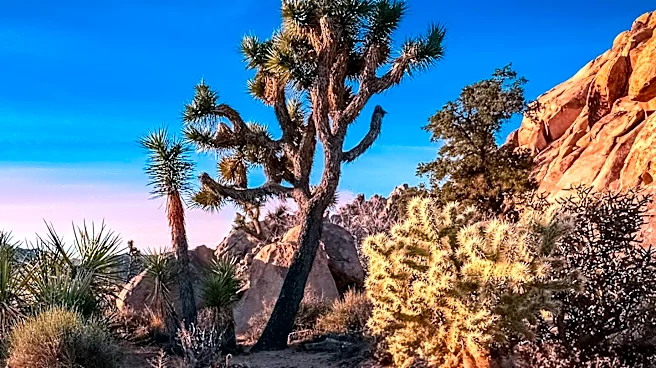
Joshua Tree National Park, located in the Mojave and Colorado deserts of southern California, is actively managing numerous historical mining sites within its boundaries. Prospectors established over 300 mines in the area, primarily seeking gold, with some
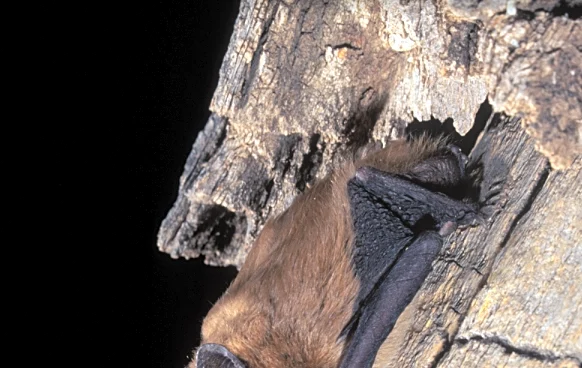
silver and copper. While most claims were unprofitable, the Lost Horse Mine notably yielded approximately 10,000 ounces of gold before its ore vein was lost in 1905. Today, the mill and shafts of the Lost Horse Mine remain, though visitors are restricted from entering for safety. The Park Service has sealed many abandoned shafts with bat gates, cupolas, and fencing to prevent human injury while allowing bats continued access to the tunnels. This approach reflects a broader strategy by the Park Service to balance historical preservation with visitor safety and ecological considerations across various national parks that contain remnants of past mining operations.
Why It's Important?
The management of historical mining sites within Joshua Tree National Park highlights the complex challenges faced by the National Park Service in preserving both natural landscapes and historical human activity. These sites offer a tangible link to the region's past, showcasing the economic drivers and human endeavors that shaped the American West. However, they also present significant safety hazards due to unstable structures and abandoned shafts, as well as potential environmental concerns from historical mining practices. The Park Service's efforts to seal shafts while accommodating wildlife, such as bats, demonstrate a commitment to ecological stewardship alongside historical interpretation. This balance is crucial for ensuring that visitors can safely experience the park's unique blend of natural beauty and historical context, while also protecting the delicate desert ecosystem from further degradation.
What's Next?
The National Park Service will likely continue its ongoing efforts to secure and interpret historical mining sites within Joshua Tree National Park. This includes maintaining existing safety measures, such as fences and bat gates, and potentially implementing new strategies for site stabilization and visitor education. Future initiatives may involve further environmental assessments to address any lingering impacts from historical mining, such as soil contamination. The park will also continue to offer recreational activities like hiking, rock climbing, and camping, which draw visitors to areas near these historical sites. The long-term goal is to ensure that these historical remnants are preserved responsibly, providing educational opportunities about the region's past while safeguarding both human visitors and the park's natural inhabitants.
Beyond the Headlines
The presence of numerous abandoned mines in Joshua Tree National Park, and other national parks, underscores a deeper narrative about the evolving relationship between human exploitation of natural resources and conservation. These sites serve as a stark reminder of the frontier era's economic motivations and the often-unregulated impact on the environment. The Park Service's decision to preserve some structures while removing others, or to seal shafts rather than completely erase them, reflects a nuanced approach to history. It acknowledges that these landscapes were once 'working ground' before becoming protected, prompting reflection on the trade-offs between resource extraction and ecological preservation. This ongoing management also highlights the ethical responsibility of addressing the legacy of past industrial activities within protected natural areas, ensuring that future generations can learn from and appreciate both the natural and human history embedded in these landscapes.