



What's Happening?
The American Bar Association’s (ABA) accreditation council has voted 10 to 6 to repeal Standard 206, a rule that mandated law schools demonstrate a commitment to diversity and inclusion among their students, faculty, and staff. This decision, made at a special
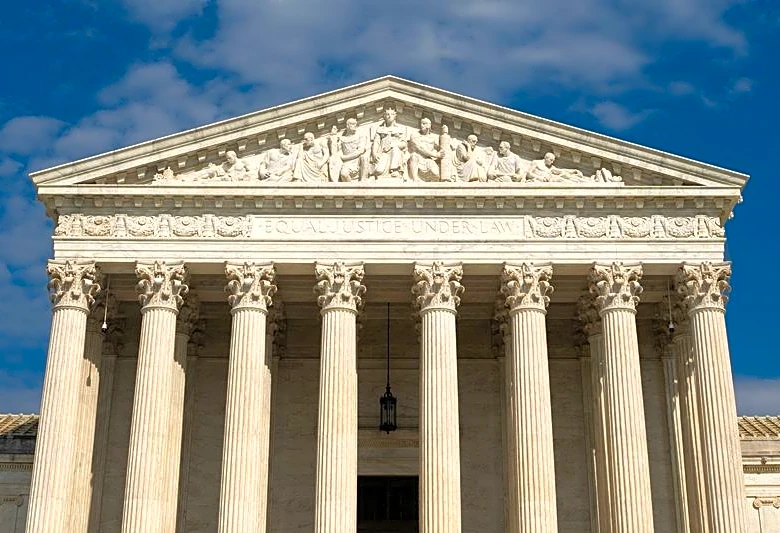
meeting on Tuesday, is final and effective immediately. While law schools can still prioritize diversity, the council, as a quality-assurance body, can no longer require it for accreditation. This move comes after years of debate, with critics arguing the standard violated the 2023 Supreme Court ruling against race-conscious college admissions. The Trump administration had also cited Standard 206 as a reason to potentially strip the ABA accreditation council of its federal recognition, which is crucial for law schools to qualify for federal student aid and for their graduates to be eligible for attorney licenses across states. The Education Department had officially recommended derecognition in August, with a final decision pending after a September 23 advisory committee meeting and a subsequent decision by Under Secretary Nicholas Kent.
Why It's Important?
The repeal of Standard 206 carries significant implications for legal education and the broader landscape of diversity, equity, and inclusion (DEI) initiatives in higher education. For law schools, it removes a mandatory requirement that has shaped their admissions, hiring, and campus culture for years. While some schools may continue their diversity efforts, the absence of a mandate could lead to varied approaches and potentially a reduction in such initiatives, especially in states or institutions less inclined to prioritize DEI. This decision also reflects the ongoing tension between institutional autonomy, federal oversight, and evolving legal interpretations of affirmative action. The council's vote was partly driven by a pragmatic desire to preserve its status as the national law school accreditor, ensuring that graduates can practice in all 50 states. Had the council been derecognized, it could have led to a fragmented accreditation system, creating significant challenges for students and law schools alike. The move also signals a potential shift in how federal administrations may influence accreditation standards, particularly concerning DEI policies.
What's Next?
The immediate consequence is that law schools are no longer obligated by the ABA to demonstrate a commitment to diversity and inclusion for accreditation purposes. However, the broader impact hinges on the upcoming decisions from the Education Department. An advisory committee is scheduled to discuss the recommendation to derecognize the ABA accreditation council starting September 23, followed by a final decision from Under Secretary Nicholas Kent. Higher education experts are divided on whether the council's repeal of Standard 206 will sway these federal bodies. Some believe the Trump administration has already decided to derecognize the council, while others hope this action will mitigate that outcome. Regardless of the federal decision, the debate over diversity standards in legal education is likely to continue, with various stakeholders, including state supreme courts, legal professional organizations, and civil rights groups, potentially reacting to these developments. Law schools will also need to reassess their internal policies and strategies regarding diversity in light of the changed accreditation requirements.
Beyond the Headlines
The repeal of Standard 206 highlights a deeper ideological and legal struggle over the role of diversity in professional education and society. The debate extends beyond mere compliance with accreditation rules, touching upon fundamental questions about the legal profession's responsibility to reflect and serve a diverse public. Critics of the standard often frame it as a political imposition, while proponents view it as essential for preparing lawyers to practice in a multicultural society and for ensuring equitable access to legal education. This decision could embolden similar challenges to diversity mandates in other professional fields and educational sectors, potentially leading to a broader rollback of DEI initiatives across U.S. higher education. The ethical implications revolve around whether a commitment to diversity should be a core professional value or a discretionary institutional choice. Legally, it underscores the far-reaching effects of the Supreme Court's affirmative action ruling and how it is being interpreted and applied in various contexts, potentially reshaping the legal and ethical frameworks governing diversity in professional training for decades to come.