


What's Happening?
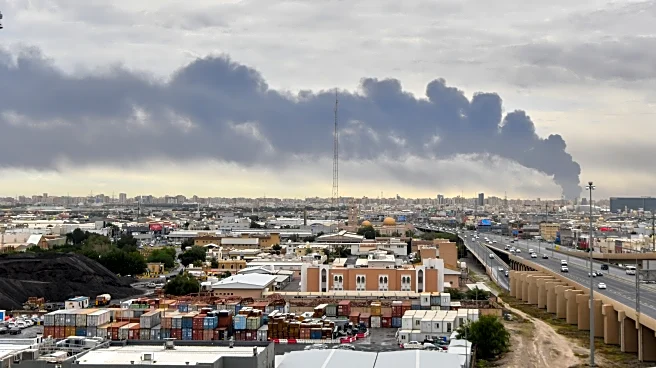
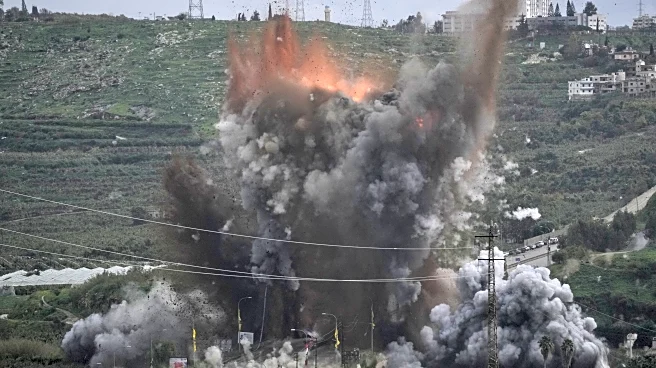
Gulf states have condemned Iranian attacks as violations of sovereignty during an emergency meeting at the United Nations Human Rights Council. Saudi Arabia's representative, Abdulmohsen Majed bin Khothaila, criticized Iran for targeting Gulf Cooperation
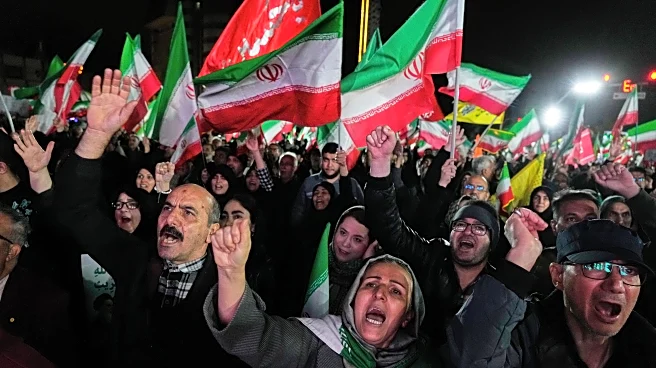
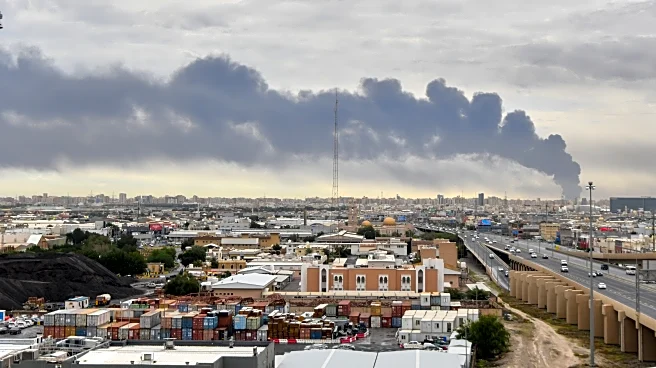
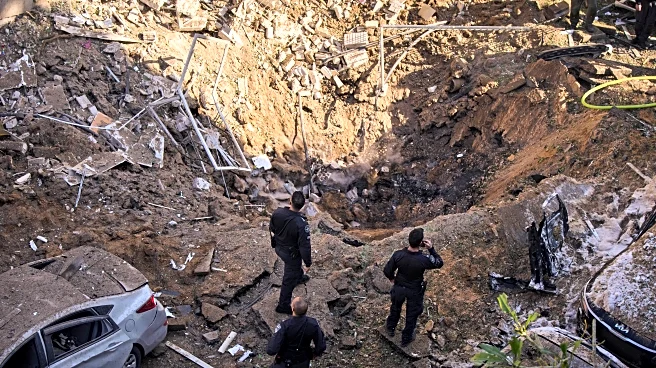
Council (GCC) member states, which are not involved in the conflict. The council passed a resolution condemning Iran's actions and demanding reparations. The meeting highlighted the ongoing conflict involving U.S.-Israeli attacks on Iran and Iranian strikes across the Middle East, with calls for an end to hostilities and protection of human rights.
Why It's Important?
The condemnation by Gulf states underscores the regional tensions and the potential for further escalation in the Middle East. The conflict has significant implications for international law, human rights, and regional stability. The closure of the Strait of Hormuz, a critical waterway for global oil supplies, could have severe economic consequences. The situation also highlights the challenges of maintaining peace and security in a region with complex geopolitical dynamics.
What's Next?
The international community may increase diplomatic efforts to mediate the conflict and prevent further escalation. The UN and other organizations could play a role in facilitating dialogue and ensuring compliance with international law. Gulf states may seek guarantees from Iran to protect their sovereignty and security. The situation remains fluid, with potential implications for global energy markets and international relations.