







What's Happening?
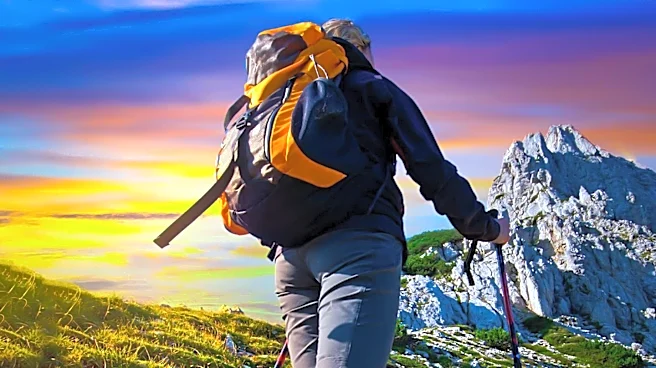
Hiking Mount Marcy, New York's highest point, for the 2026 season demands significant preparation, particularly for the popular Van Hoevenberg Trail from Adirondak Loj/High Peaks Information Center. The 14.8-mile round trip hike, with a 3,166-foot elevation
gain, typically takes 8-12 hours in snow-free conditions. Hikers must be aware of specific regulations, including mandatory skis or snowshoes in the High Peaks Wilderness when snow depth exceeds 8 inches, and bear-resistant canisters for overnight camping from April 1 to November 30. Parking at Adirondak Loj requires a fee, which is $25 per full day for nonmembers and $10 for members, with an automated gate system expected to be fully operational. The trail is strenuous, rocky, and exposed at higher elevations, with rapidly changing alpine weather, necessitating proper equipment and a clear understanding of turnaround times.
Why It's Important?
The detailed requirements for hiking Mount Marcy underscore the increasing emphasis on safety, environmental protection, and visitor management in popular U.S. natural parks. The mandatory gear, such as snowshoes and bear canisters, reflects efforts to mitigate risks to hikers and wildlife, while parking fees and potential reservation systems aim to manage visitor flow and fund trail maintenance. This structured approach is crucial for preserving the fragile alpine ecosystem of Mount Marcy and ensuring a sustainable outdoor experience for all. For hikers, understanding these regulations is vital to avoid fines, ensure personal safety, and contribute to the conservation of these natural treasures, highlighting a broader trend of responsible tourism in national and state parks.
What's Next?
Hikers planning to ascend Mount Marcy in 2026 and beyond should anticipate continued strict adherence to current regulations regarding gear, parking, and environmental protection. It is crucial to check the Adirondak Loj/High Peaks Information Center for the latest updates on fees, gate operations, and trail conditions before departure. The emphasis on early starts, weather awareness, and personal preparedness will remain paramount due to the challenging nature of the hike. As visitor numbers potentially increase, further management strategies, such as reservation systems or expanded shuttle services, might be implemented to control access and minimize environmental impact, similar to those seen in other popular U.S. parks.
Beyond the Headlines
The rigorous planning required for a Mount Marcy hike reflects a growing tension between increasing public interest in outdoor recreation and the imperative to protect sensitive natural environments. The detailed rules and fees are not merely logistical hurdles but represent a complex balancing act by park authorities to ensure both accessibility and preservation. This situation highlights broader discussions about the 'carrying capacity' of natural spaces and the role of user fees in conservation. It also underscores the importance of educating the public on Leave No Trace principles and responsible outdoor ethics, transforming recreational activities into acts of environmental stewardship. The future of such iconic natural landmarks will depend on effective management strategies that adapt to changing environmental conditions and visitor demands.