





What's Happening?
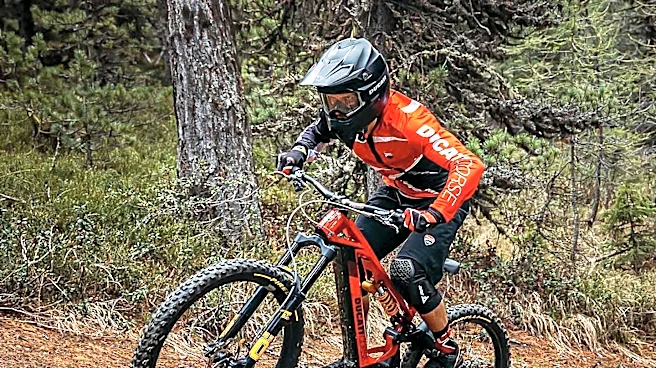
The U.S. Forest Service is proposing a significant policy change that would allow Class 1 electric bicycles on national forest trails currently open to conventional bicycles. This proposal is part of a broader overhaul of the national Travel Management
Rule. Under the current policy, e-bikes are categorized as motor vehicles, requiring a specific designation process involving environmental analysis, public involvement, and local decisions before they can access nonmotorized trails. The proposed exemption would remove this designation requirement specifically for Class 1 e-bikes on trails where traditional bicycles are already permitted. Class 1 e-bikes are defined as those providing motor assistance only while the rider pedals, with assistance cutting off at 20 miles per hour, and motor power limited to less than 750 watts. While the exemption would streamline access, existing forest-plan directions, seasonal limits, closure orders, and site-specific restrictions would still apply. The Department of Agriculture is preparing an environmental impact statement to evaluate this change, including the alternative of maintaining current e-bike requirements.
Why It's Important?
This proposed change holds significant implications for outdoor recreation and land management across the U.S. It could substantially expand riding options for Class 1 e-bike users, particularly in areas like the northern Sierra, where trails such as South Park’s Cascade and Spanish Traverse near Quincy could become accessible. This move aims to simplify the process for e-bike integration into nonmotorized trail systems, potentially increasing participation in outdoor activities and boosting local economies reliant on recreational tourism. However, it also raises questions about trail maintenance, potential increased traffic, and the impact on the experience of traditional cyclists and hikers. The environmental impact statement being prepared by the Department of Agriculture will be crucial in assessing the ecological consequences and ensuring sustainable use of national forest resources. The decision will balance recreational access with conservation efforts and the preservation of wilderness characteristics.
What's Next?
The Department of Agriculture's tentative schedule indicates that a proposed rule and draft environmental impact statement are expected in spring 2027. This will be followed by a period for public comment and review, allowing various stakeholders, including environmental groups, cycling organizations, and local communities, to provide feedback. A final rule and decision are anticipated in early 2028. During this period, the U.S. Forest Service will analyze the environmental impacts of the proposed change and consider alternatives, including maintaining the current e-bike regulations. The outcome will determine the future accessibility of national forest trails for Class 1 e-bikes and set a precedent for how emerging recreational technologies are managed within protected natural areas. Stakeholders will closely monitor the environmental review process and public engagement opportunities to advocate for their interests.
Beyond the Headlines
The debate surrounding e-bike access on national forest trails touches upon broader themes of technological integration into natural spaces and evolving definitions of 'nonmotorized' recreation. While Class 1 e-bikes offer pedal-assist, their motor component distinguishes them from traditional bicycles, prompting discussions about their environmental footprint, potential for increased speed and range, and impact on trail erosion and wildlife disturbance. This policy shift could set a precedent for how other forms of electric-powered recreational equipment are regulated in public lands. It also highlights the challenge of balancing diverse recreational interests with conservation mandates. The decision will reflect a contemporary understanding of outdoor recreation, potentially reshaping how Americans interact with and experience their national forests in the coming decades, and influencing future land management policies regarding sustainable access and environmental stewardship.