




What's Happening?
Sudan is grappling with a severe humanitarian crisis, with an estimated 825,000 children under the age of five projected to suffer from severe acute malnutrition in 2026, a 7% increase from the previous year. This dire situation is a direct consequence
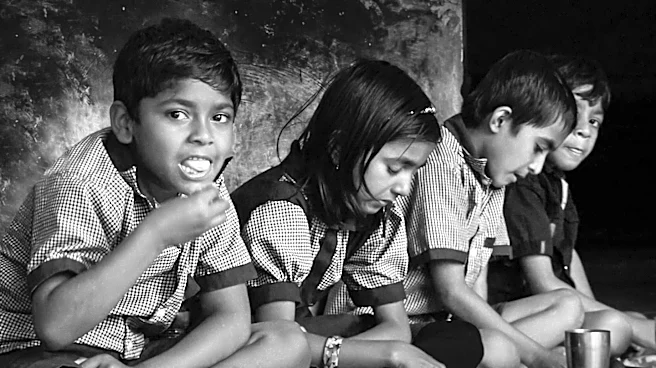
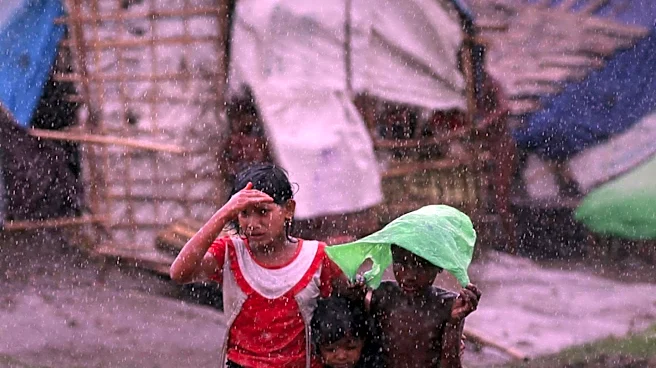
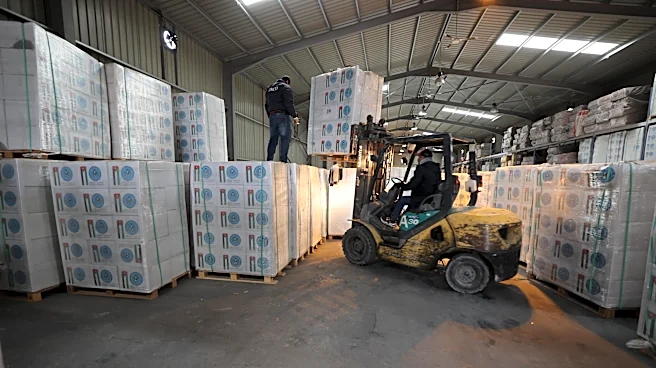
of the ongoing war between the Sudanese Armed Forces and the paramilitary Rapid Support Forces, which began in April 2023. UNICEF and its partners treated 174,700 children for severe acute malnutrition in the first six months of 2026. Hospitals in Port Sudan are overwhelmed, with some wards placing up to three children per bed. Medical staff, supported by the World Health Organization and UNICEF, provide therapeutic milk and nutritional supplies, but families still face significant financial burdens for intravenous solutions and medicines. The crisis is exacerbated by inadequate nutrition among pregnant women, population displacement, economic hardship, drought, and insufficient humanitarian funding.
Why It's Important?
This escalating malnutrition crisis in Sudan represents a catastrophic humanitarian emergency, with profound and long-lasting consequences for the affected children and the nation's future. Severe acute malnutrition can lead to stunted growth, impaired cognitive development, increased susceptibility to diseases, and, ultimately, death. The sheer scale of the crisis, affecting nearly a million children, threatens to create a lost generation, impacting Sudan's social and economic recovery for decades to come. The overburdened healthcare system and lack of essential resources highlight the urgent need for international intervention and sustained humanitarian aid. The conflict's disruption of food security, coupled with environmental factors like drought, creates a complex and devastating scenario that demands immediate global attention and coordinated efforts to prevent further loss of life and long-term suffering.
What's Next?
The immediate priority is to scale up humanitarian assistance, including food aid, medical supplies, and nutritional support, to reach the most vulnerable populations. International organizations like UNICEF and the World Health Organization will continue their efforts, but increased funding and logistical support are critically needed. Efforts to secure safe humanitarian corridors and ceasefires are essential to allow aid to reach conflict-affected areas, particularly in Darfur and Kordofan. Long-term solutions require a cessation of hostilities and a stable political resolution to the conflict. Addressing the root causes of food insecurity, such as drought and economic instability, through sustainable development initiatives will also be crucial for preventing future crises. The international community must maintain pressure on all parties to the conflict to protect civilians and facilitate humanitarian access.
Beyond the Headlines
The crisis in Sudan is a stark reminder of the devastating human cost of armed conflict, particularly its disproportionate impact on children. Beyond the immediate suffering, the widespread malnutrition will have profound long-term effects on the country's human capital, potentially leading to a generation with compromised health and educational outcomes. This situation also highlights the interconnectedness of conflict, climate change (drought), and public health, demonstrating how multiple crises can converge to create an unprecedented humanitarian catastrophe. The ethical responsibility of the international community to protect vulnerable populations and intervene in such crises is brought into sharp focus. The displacement of populations and the breakdown of social structures further complicate recovery efforts, necessitating a holistic approach that addresses not only immediate needs but also long-term resilience and peacebuilding.