



What's Happening?
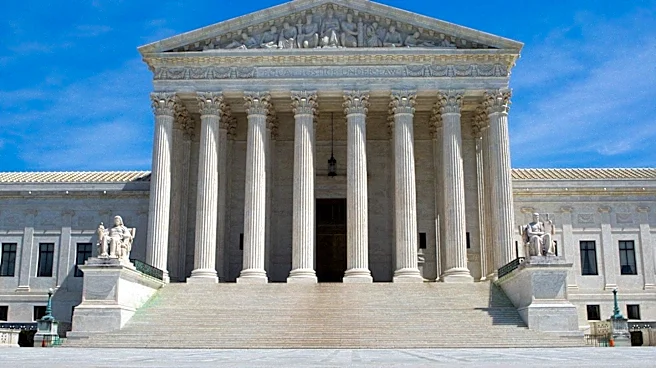
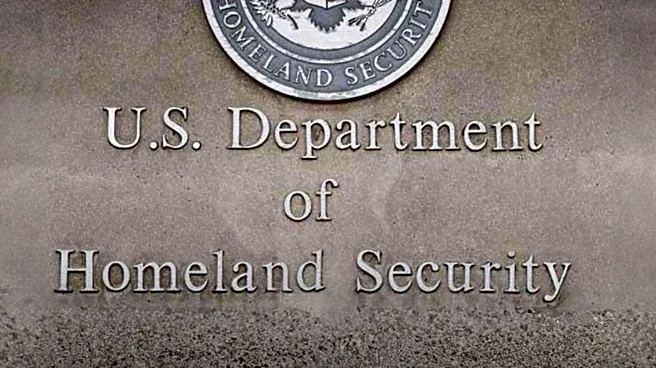
The U.S. District Court of Massachusetts has issued a ruling vacating a final rule by the U.S. Department of Homeland Security (DHS) that would have eliminated the duration of status (D/S) framework for J-1 and other nonimmigrant visas. This DHS rule aimed
to establish fixed end dates for these visas, departing from the previous system where individuals could remain in the U.S. for the duration of their program or activity. The court's decision effectively reinstates the D/S framework, allowing J-1 visa holders, including physicians, to maintain their status for the full period of their academic or exchange programs without a predetermined end date. This ruling comes after advocacy from groups like the Presidents’ Alliance on Higher Education and Immigration, a coalition of U.S. college and university presidents, who have been vocal about the implications of such policy changes on international students and exchange visitors.
Why It's Important?
This court decision is significant for thousands of J-1 visa holders, particularly international medical graduates who come to the U.S. for residencies and fellowships. The D/S framework provides flexibility and stability, allowing these individuals to complete their training without the added pressure of a fixed end date that might not align with program completion. For U.S. healthcare institutions, especially those in underserved areas, the continued flow of J-1 physicians is crucial for staffing and patient care. The previous DHS rule could have created administrative burdens and uncertainty, potentially deterring international talent from contributing to the U.S. medical system. The vacating of this rule ensures that the U.S. remains an attractive destination for global talent in critical sectors like healthcare and academia, supporting diversity and expertise within these fields.
What's Next?
Following the court's decision, the DHS will need to adhere to the ruling, meaning the fixed end date rule for J-1 and other nonimmigrant visas will not be implemented. This provides immediate relief and clarity for current and prospective J-1 visa holders. Stakeholders, including universities, hospitals, and international exchange organizations, will likely continue to monitor any further attempts by the DHS to alter visa regulations. The Presidents’ Alliance on Higher Education and Immigration and similar advocacy groups will likely remain vigilant, ready to respond to any new policy proposals that could impact international students and scholars. The focus will now shift to ensuring consistent application of the D/S framework and supporting the integration of international professionals into U.S. institutions.
Beyond the Headlines
The legal challenge and subsequent vacating of the DHS rule highlight the ongoing tension between immigration enforcement priorities and the needs of academic and professional sectors that rely on international talent. This case underscores the judiciary's role in scrutinizing executive agency actions, particularly when they have broad implications for immigration policy and economic sectors. The D/S framework, while offering flexibility, has also been a point of contention for those advocating for stricter immigration controls. The court's decision reaffirms the importance of established legal frameworks and due process in policy changes. It also signals the influence of coalitions like the Presidents’ Alliance in shaping immigration discourse and policy outcomes, emphasizing the collective voice of educational institutions in advocating for policies that support global academic and professional exchange.