


What's Happening?
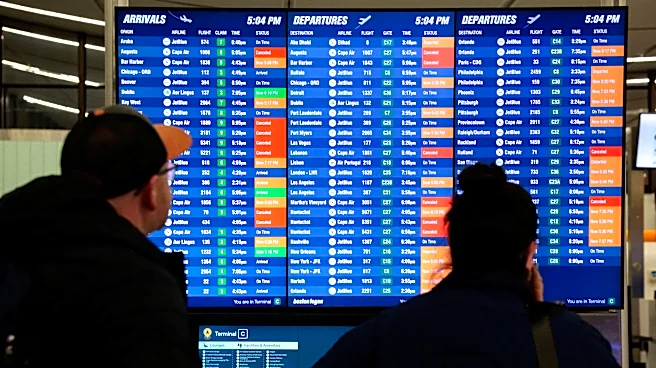
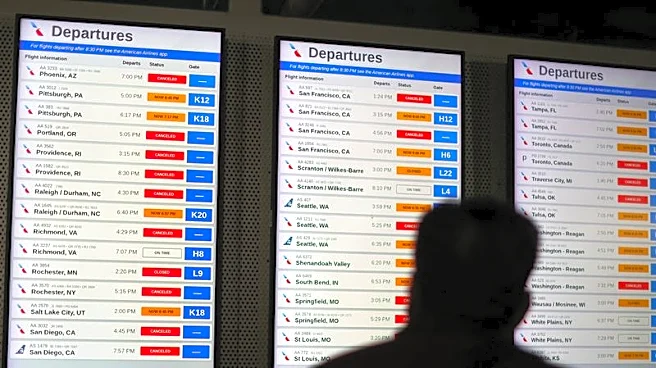
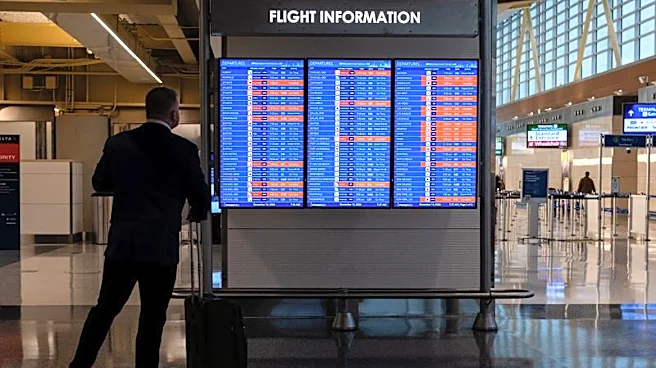
A nationwide ground stop was implemented across U.S. airports due to widespread communication problems within the Federal Aviation Administration's (FAA) Air Route Traffic Control Centers. This disruption led to the halting of all flights, causing significant
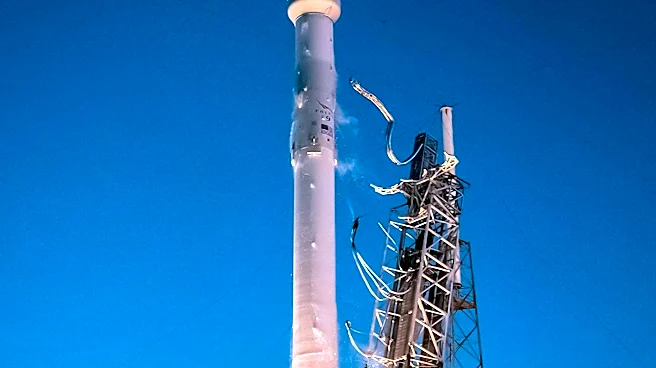
travel delays and cancellations. Aviation safety expert Steve Arroyo, a former United Airlines pilot, indicated that the issue likely stems from outdated technology used by air traffic controllers, preventing effective communication with aircraft. Senator Jerry Moran acknowledged the severity of the situation, stating he was monitoring the ground stop and had been in contact with the FAA, which was working to resolve the issue. He emphasized the need for a thorough investigation into the cause of this national air travel disruption. The problem is reminiscent of a regional outage in September that affected hundreds of flights in the Northeast, but this incident impacted the entire country. Despite the FAA ground stop, SpaceX proceeded with a Starship rocket launch from Texas.
Why It's Important?
This nationwide ground stop highlights critical vulnerabilities in the U.S. air traffic control system, primarily linked to outdated technology. The incident underscores the potential for significant economic and logistical repercussions when such essential infrastructure fails. For the aviation industry, it means substantial financial losses due to delayed flights, rerouted aircraft, and passenger compensation. Travelers face considerable inconvenience, missed connections, and disruptions to personal and business schedules. The event also brings to the forefront the ongoing debate about federal funding for infrastructure upgrades, as the government has been working to overhaul outdated technology, with an estimated $30 billion still needed to complete the modernization efforts. The White House has begun lobbying Congress for this approval, making the incident a potent argument for increased investment in aviation infrastructure to prevent future widespread disruptions and ensure national air travel safety and efficiency.
What's Next?
Following the resolution of the immediate communication issues, the FAA is expected to conduct a thorough investigation into the root causes of the nationwide ground stop, as called for by Senator Jerry Moran. This investigation will likely focus on identifying specific technological failures and operational gaps. In parallel, there will be renewed pressure on Congress to approve the additional $30 billion that the White House has indicated is necessary to complete the modernization of the air traffic control system. This incident could serve as a catalyst for legislative action, potentially accelerating funding allocations for infrastructure upgrades. Airlines will be working to manage the backlog of delayed and canceled flights, rebooking passengers, and adjusting schedules, which could take several days to fully normalize. Public and political scrutiny on the FAA's technological infrastructure and its readiness to handle national air traffic is also anticipated to intensify.
Beyond the Headlines
The nationwide FAA ground stop exposes a deeper systemic challenge within critical national infrastructure: the persistent underinvestment in modernizing essential operational technologies. This event transcends a mere technical glitch, pointing to a broader issue of deferred maintenance and technological obsolescence that could affect various sectors beyond aviation. The reliance on aging systems creates not only operational vulnerabilities but also potential national security risks, as communication failures could be exploited or lead to more severe incidents. Furthermore, the incident highlights the complex interplay between technological advancement, government funding, and public safety. It underscores the ethical responsibility of government agencies to ensure that the infrastructure supporting daily life is robust and resilient. The long-term implications could include a re-evaluation of federal budgeting priorities, a push for more aggressive timelines for infrastructure upgrades, and potentially new regulatory frameworks to ensure continuous technological readiness across critical national systems.