





What's Happening?
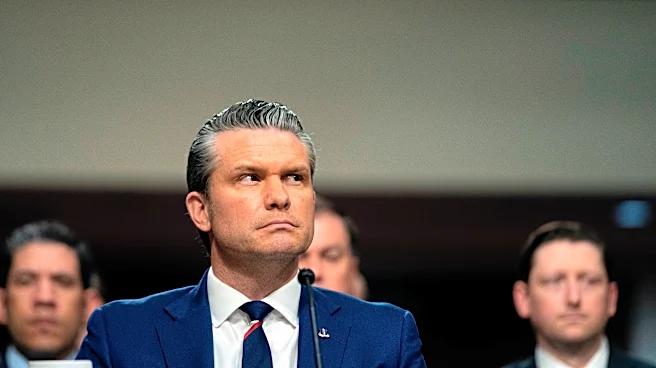
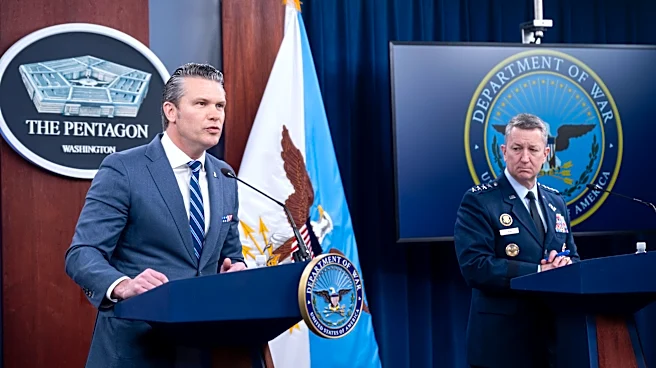
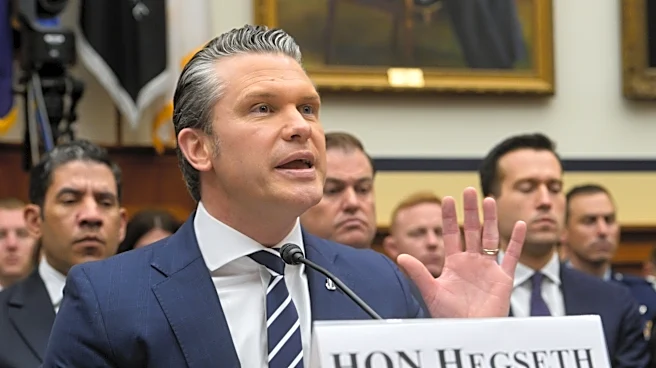
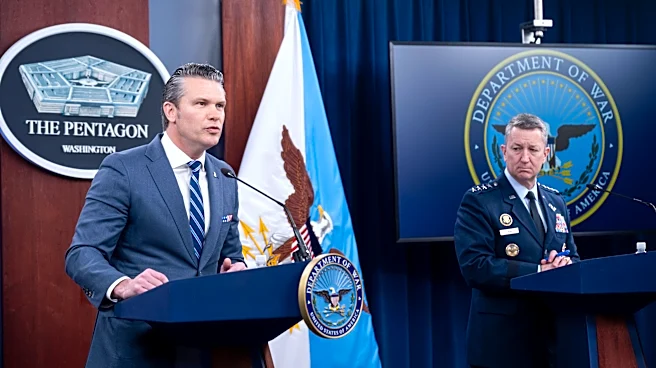
The U.S. administration has not clarified whether it will seek congressional authorization to continue military operations in Iran, as the 60-day limit under the War Powers Resolution approaches. Defense Secretary Pete Hegseth suggested that a ceasefire
with Iran has paused the legal clock, a point contested by some lawmakers. The lack of a clear legal framework for Operation Epic Fury raises constitutional concerns. The administration's silence on seeking authorization or an extension has led to political tension, with Senate Democrats pushing for a war powers vote.
Why It's Important?
The situation underscores the ongoing debate over executive versus legislative powers in military engagements. The lack of congressional authorization for the operation in Iran raises questions about the legality and oversight of U.S. military actions. This issue has significant implications for U.S. foreign policy and military strategy, potentially affecting international relations and the perception of U.S. commitment to legal norms. The outcome of this situation could set a precedent for future military engagements and the role of Congress in authorizing such actions.
What's Next?
As the 60-day limit approaches, the administration may face increased pressure to clarify its legal stance on the military operation in Iran. Congressional debates and potential votes on war powers could shape the future of U.S. military involvement in the region. The administration's response, or lack thereof, will likely influence domestic political dynamics and international perceptions of U.S. military policy. The situation remains dynamic, with potential implications for U.S.-Iran relations and broader geopolitical stability.