




What's Happening?
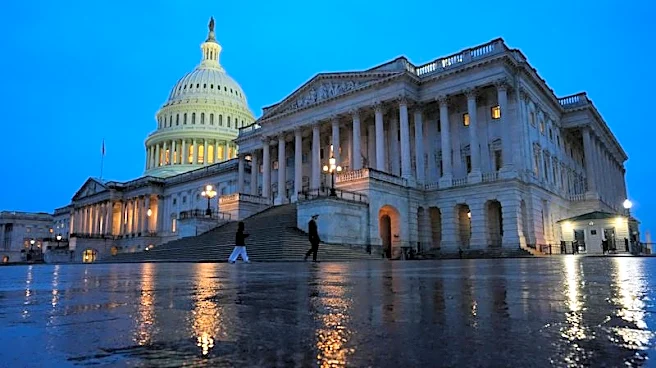
The U.S. Senate has passed a bill that extends the statute of limitations for prosecuting fraud related to two pandemic relief programs: the Restaurant Revitalization Fund and the Shuttered Venue Operators Grant. This legislative move comes in response
to reports of significant misuse of funds, including high-profile cases involving celebrities. The bill, if enacted, will allow prosecutors up to ten years to bring charges, doubling the current five-year limit. The Government Accountability Office recently reported that up to $10 billion from the Shuttered Venue Operators Grant may have been improperly allocated, a figure significantly higher than previous estimates. The bill also includes an amendment to ensure nonpartisan enforcement of these fraud investigations.
Why It's Important?
The extension of the statute of limitations is crucial for ensuring accountability in the use of pandemic relief funds. With billions potentially lost to fraud, this legislative change aims to deter future misuse and recover misallocated funds. The move reflects growing concerns over the integrity of pandemic aid distribution and the need for stringent oversight. It also highlights the challenges faced by government agencies in managing large-scale financial aid programs. The bill's passage could lead to increased scrutiny of past allocations and potentially recover significant amounts of taxpayer money.
What's Next?
If the bill becomes law, it will likely lead to a surge in investigations and prosecutions related to pandemic-aid fraud. Government agencies, including the Small Business Administration, will need to ramp up their efforts to identify and pursue fraudulent cases. The extended timeframe for prosecution may also encourage whistleblowers to come forward with information about misuse of funds. Additionally, the bill's requirement for nonpartisan enforcement could lead to changes in how fraud investigations are conducted, potentially increasing transparency and fairness in the process.