







What's Happening?
The Occupational Safety and Health Administration (OSHA) has released its preliminary list of the top 10 most frequently cited workplace safety standards for fiscal year 2026. This annual list, based on OSHA inspections, aims to help employers identify
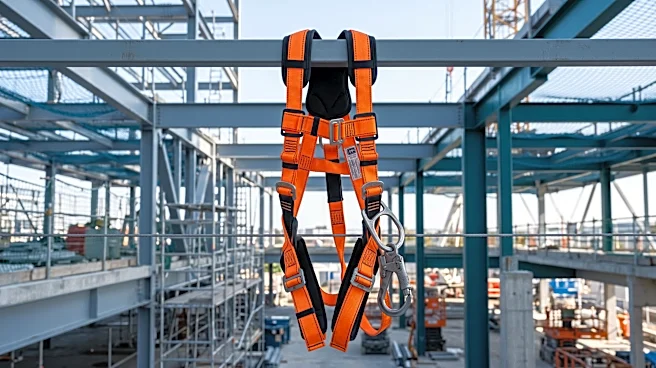
common hazards and improve their safety programs. Despite advancements in technology and automation, recurring violations persist, particularly in areas such as fall protection, hazard communication, and hazardous energy control. The list highlights that many workplace injuries are preventable through proactive hazard identification, effective safety controls, and consistent oversight. Five of the top violations are directly related to construction, including general fall protection requirements, scaffolding, ladders, fall protection training, and eye and face protection. Other violations are relevant to general industry operations. Employers are encouraged to use this data to review their safety procedures, verify employee competency, inspect equipment, and implement corrective actions to reduce risks.
Why It's Important?
The consistent appearance of certain violations on OSHA's annual list underscores a critical ongoing challenge in U.S. workplace safety. These recurring issues, such as inadequate fall protection and hazard communication, directly contribute to preventable injuries and fatalities, impacting workers' well-being and imposing significant costs on businesses. Workplace incidents can lead to increased workers' compensation costs, legal consequences, and operational disruptions. For industries like construction, where multiple top violations are concentrated, the implications are particularly severe, affecting project timelines, insurance premiums, and overall business reputation. By highlighting these persistent hazards, OSHA provides a clear roadmap for employers to prioritize their safety investments and training efforts. Adhering to these standards not only protects employees but also helps businesses avoid costly citations and penalties, fostering a more stable and productive work environment across the nation.
What's Next?
Employers are advised to use OSHA's 2026 Top 10 list as a starting point for developing practical safety improvement plans tailored to their specific industries and work activities. This involves reviewing applicable state-plan requirements and industry-specific standards, as the national list serves as a general guide. A key next step is to shift from reactive to preventive audits, conducting monthly internal self-inspections focusing on these frequently cited standards rather than waiting for an OSHA inspection or a workplace injury. Additionally, employers should review and update their written safety programs, including those for fall protection, hazard communication, lockout/tagout, and respiratory protection, to ensure they reflect current equipment, operations, and OSHA requirements. Documented, hands-on training for employees, appropriate for their duties and workplace hazards, is also crucial, along with regular equipment inspections and prompt correction of unsafe conditions. Empowering frontline reporting of hazards without fear of retaliation is essential to catch minor issues before they escalate.
Beyond the Headlines
The persistent nature of these top OSHA violations, despite years of enforcement and awareness campaigns, suggests deeper systemic issues within workplace safety culture and practices. It highlights a potential gap between regulatory requirements and their consistent implementation, possibly due to factors such as insufficient resources for training, inadequate management oversight, or a lack of prioritization of safety in some organizations. The emphasis on proactive measures and internal audits points to a need for a fundamental shift in how businesses approach safety—moving beyond mere compliance to embedding a robust safety culture. This involves not just adherence to rules but also fostering an environment where employees feel empowered to identify and report hazards, and where continuous improvement in safety protocols is a core value. The long-term implications of failing to address these recurring violations extend beyond immediate penalties, affecting worker morale, public trust, and the overall sustainability of businesses in a competitive landscape.