



What's Happening?
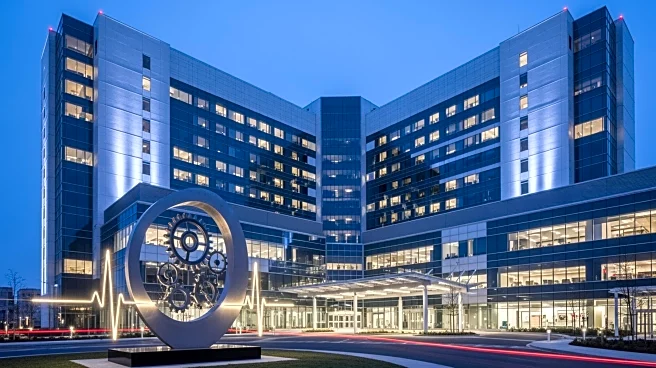
Assuta Ashdod University Hospital, Israel's newest public hospital, has played a crucial role in treating casualties from the conflict near Gaza. Located just 16 miles from Gaza, the hospital has been pivotal in saving lives since the onset of hostilities
on October 7th. According to Adv. Yael Yativ, CEO of the Friends Associations of Assuta Ashdod University Hospital, the facility was not initially intended to handle emergency helicopter evacuations. However, due to battlefield conditions, it became a primary destination for severely wounded soldiers. The hospital boasts a 96% survival rate for the most critically injured IDF soldiers evacuated by helicopter. Established eight years ago, Assuta Ashdod is the first public hospital built in Israel in over fifty years and is part of the high-tech startup nation era. The hospital's culture of innovation has attracted top medical talent, contributing to its rapid advancement and ability to meet the healthcare needs of southern Israel.
Why It's Important?
The role of Assuta Ashdod Hospital underscores the importance of preparedness and innovation in healthcare, especially in conflict zones. Its ability to adapt to unexpected demands highlights the critical need for flexible and well-equipped medical facilities. The hospital's success in treating severely injured soldiers not only saves lives but also boosts morale and trust within the community. Furthermore, the hospital's expansion plans, including a new medical tower, aim to address the growing demand for healthcare services in southern Israel. This development is significant as it represents a shift towards equalizing healthcare access across the country, particularly in underserved regions. The hospital's focus on innovation and its ability to attract top talent are crucial for maintaining high standards of care and addressing future healthcare challenges.
What's Next?
Assuta Ashdod Hospital is expanding with a new medical tower to meet the increasing demand for healthcare services. This expansion is part of a broader effort to enhance medical infrastructure in southern Israel. The hospital also plans to address the lack of rehabilitation services in the region, which is critical given the high number of wounded soldiers residing there. As the hospital continues to grow, it will likely play an even more significant role in Israel's healthcare system, particularly in times of conflict. The ongoing development of the hospital's facilities and services will require continued support and investment to ensure it can meet the needs of the community and maintain its position as a leader in medical innovation.
Beyond the Headlines
The success of Assuta Ashdod Hospital highlights the broader implications of integrating innovation into public healthcare systems. By fostering a culture of innovation, the hospital not only improves patient outcomes but also sets a precedent for other healthcare institutions. This approach could lead to long-term shifts in how healthcare is delivered, emphasizing the importance of adaptability and technological advancement. Additionally, the hospital's role in the conflict underscores the ethical responsibility of providing equitable healthcare access, particularly in regions affected by violence. As the hospital continues to expand, it may influence policy decisions regarding healthcare infrastructure and resource allocation in Israel.