






What's Happening?
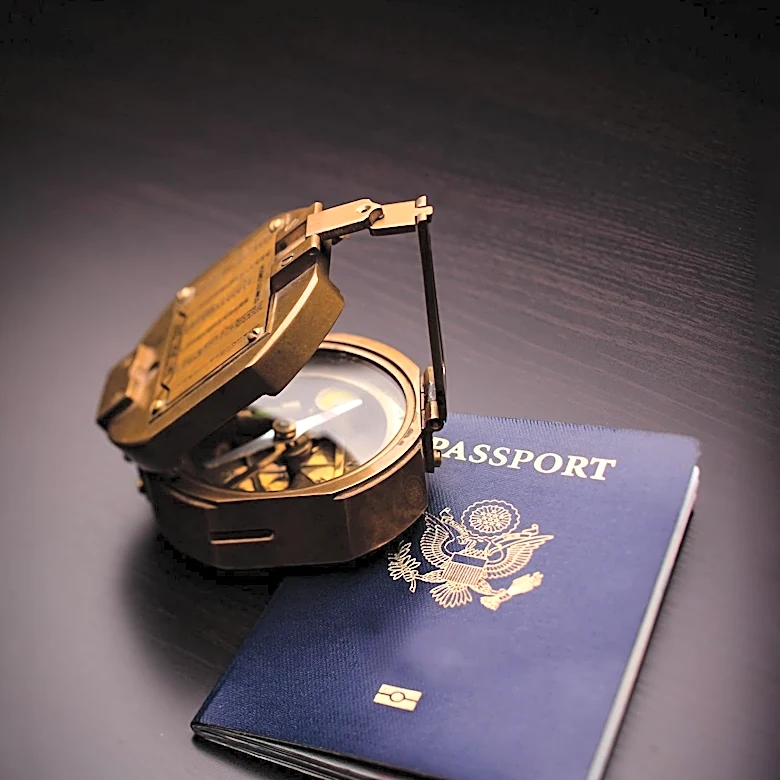
Travelers enrolled in TSA PreCheck, a program designed for expedited airport security screening, are reportedly being denied access to PreCheck lanes despite having valid enrollment and their boarding passes indicating PreCheck status. A recent incident
shared by content creator Blake Healey highlighted this issue, where she was informed by a TSA agent that she had been "randomly selected to go through regular security," despite her ticket displaying PreCheck. This experience is not isolated, with other travelers sharing similar stories of unexpected denials, some of whom are airline employees with long-standing PreCheck memberships. The Transportation Security Administration (TSA) acknowledges this possibility in its official guidance, stating that it employs "unpredictable security measures" and that "no individual is guaranteed expedited screening." The agency also clarifies that eligibility is determined on a flight-by-flight basis, meaning PreCheck status is not absolute for every journey.
Why It's Important?
The unexpected denial of TSA PreCheck access has significant implications for U.S. travelers and the efficiency of airport operations. Many travelers rely on PreCheck to manage their time at the airport, often planning to arrive closer to their departure time due to the promise of quicker security lines. These random denials can lead to increased stress, missed flights, and a diminished perception of the program's reliability. For the TSA, while these "unpredictable security measures" are intended to enhance security by preventing patterns that could be exploited, they risk eroding public trust and the perceived value of a paid service. This situation also highlights a potential disconnect between the information provided to travelers and the operational realities at security checkpoints, leading to confusion and frustration. The widespread nature of these experiences, as evidenced by similar stories from other travelers, suggests a systemic issue that impacts a significant portion of PreCheck users.
What's Next?
Travelers who rely on TSA PreCheck should be aware that their expedited screening is not guaranteed for every flight and should plan their airport arrival times accordingly. The TSA's current stance indicates that these random selections are part of their security protocols, and there is no immediate indication of a policy change. This means that individuals may continue to experience unexpected diversions to standard security lines. For the TSA, the challenge lies in balancing security effectiveness with traveler convenience and program transparency. There may be a need for clearer communication regarding the possibility of random denials to manage traveler expectations better. Airlines might also need to adapt their check-in processes to better inform passengers about potential changes to their PreCheck status before they reach the security checkpoint. Without further clarification or adjustments from the TSA, travelers will need to factor in the possibility of longer security wait times, even with PreCheck enrollment.
Beyond the Headlines
The phenomenon of random TSA PreCheck denials touches upon broader themes of security theater versus actual security, and the psychological contract between government agencies and citizens. While the TSA's stated goal is to maintain unpredictable security, the practical effect for many travelers is a sense of arbitrary inconvenience, undermining the very purpose of a program designed to streamline travel for vetted individuals. This raises questions about the efficacy of such randomizations and whether the perceived security benefits outweigh the costs in terms of traveler frustration and operational inefficiencies. Furthermore, it highlights the tension between national security imperatives and individual expectations of convenience and reliability in modern travel. The reliance on such measures could also be seen as a symptom of a larger system struggling to adapt to evolving threats while simultaneously processing a massive volume of travelers, prompting a deeper discussion about the future of airport security and the role of technology and data in achieving both safety and efficiency.