






What's Happening?
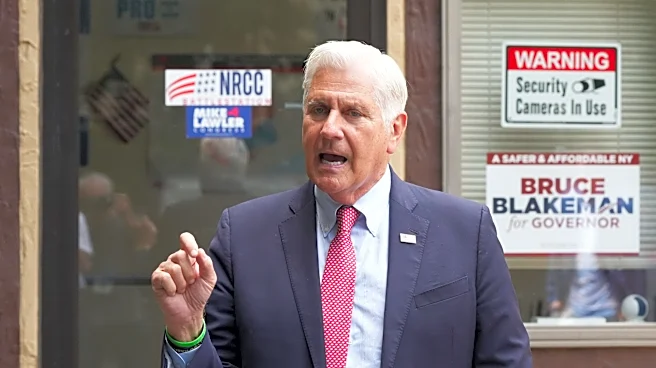
U.S. Representative Mike Lawler has received endorsements from eleven law enforcement organizations for his reelection campaign. These endorsements were announced during an event in Rockland County, New York. The organizations, which collectively represent
over 80,000 law enforcement officers across New York State, the Hudson Valley, and New York City, include the Police Conference of New York, Rockland County PBA, Port Authority PBA, and New York State Fraternal Order of Police. Lawler, a Republican, is seeking another term to represent New York’s 17th Congressional District, which encompasses parts of Rockland, Putnam, Westchester, and Dutchess counties. Rockland County PBA President Sean O’Connor stated that their endorsement was based on Lawler’s record and commitment to public safety, rather than his political affiliation. Police Conference of New York President Mike O’Mara also highlighted Lawler's consistent support for law enforcement since his time in the state Assembly. The endorsement event also brought attention to immigration enforcement, with Lawler criticizing his Democratic opponent, Cait Conley, for her support from the Working Families Party and challenging her stance on New York’s Local Cops, Local Crimes Act.
Why It's Important?
These endorsements are significant as they highlight the growing emphasis on public safety and law enforcement support in U.S. political campaigns, particularly in competitive congressional districts. The backing of numerous police unions, representing a substantial number of officers, can lend considerable credibility to a candidate's commitment to law and order, potentially swaying voters who prioritize these issues. For Representative Lawler, these endorsements reinforce his campaign's focus on public safety and provide a strong counterpoint to his opponent. The discussion around New York’s Local Cops, Local Crimes Act also underscores a broader national debate regarding the balance between local law enforcement and federal immigration policies. This issue can mobilize different segments of the electorate, with some advocating for stricter immigration enforcement and others for policies that limit local involvement in federal immigration matters. The outcome of this election, influenced by such endorsements and policy debates, could reflect shifting voter priorities and potentially impact future legislative efforts concerning policing and immigration at both state and federal levels.
What's Next?
Following these endorsements, Representative Lawler is expected to continue campaigning on a platform emphasizing public safety and support for law enforcement, leveraging the backing of these influential unions. His challenge to Democratic nominee Cait Conley regarding the Local Cops, Local Crimes Act suggests that immigration enforcement will remain a key issue in the upcoming November general election. Conley's response to Lawler's criticism, particularly concerning the state law, will be closely watched as it could define her position on a contentious topic and influence voter perception. The campaign will likely see further debates and discussions on these issues, with both candidates aiming to articulate their stances and appeal to voters concerned about crime and immigration. The endorsements could also encourage other law enforcement organizations to take similar public stances in other races, potentially shaping the narrative of the election cycle. The ultimate outcome in New York’s 17th Congressional District will serve as an indicator of how voters weigh public safety concerns and immigration policies in their electoral decisions.
Beyond the Headlines
The collective endorsement of Representative Lawler by eleven law enforcement unions points to a deeper trend of police organizations becoming more vocal and politically active in U.S. elections. This increased engagement reflects a strategic effort by these unions to support candidates who align with their priorities, particularly concerning funding, policy, and public perception of law enforcement. The debate over New York’s Local Cops, Local Crimes Act, characterized by Lawler as a 'sanctuary law,' highlights the ongoing tension between state and federal jurisdictions regarding immigration enforcement. This legal and political friction has broader implications for federalism and the operational autonomy of local police departments. The outcome of such legislative battles can influence community trust in law enforcement, the effectiveness of immigration policies, and the overall safety of communities. Furthermore, the emphasis on 'backing the blue' in political rhetoric can polarize public discourse, making it challenging to find common ground on complex issues related to criminal justice reform and community policing. This election, therefore, is not just about a single congressional seat but also about the evolving role of law enforcement in society and the political landscape.